Sanctions, high tariffs choke Syria’s bid to revive trade


Shafaq News – Damascus
Syria is seeking to revive its trade sector and open new markets under a gradual shift toward a free-market economy, though significant obstacles still impede progress.
Mohammad Hallak, a member of the Damascus Chamber of Commerce, on Wednesday told Shafaq News that international sanctions and steep tariffs imposed on Syrian goods in several countries remain the biggest hurdles to trade growth.
He stressed the need to rebuild trade partnerships and restore balance between imports and exports, ensuring equal conditions for all parties. Hallak also drew attention to the shortage of efficient shipping options and urged the organization of national and international trade fairs.
The chamber official called for reactivating commercial consulates to identify promising markets and facilitate access for Syrian manufacturers and traders. He appealed for direct government backing to help companies participate in global exhibitions, noting that booth costs can exceed $100,000—an expense that prevents many Syrian businesses from promoting their products abroad.
Regarding trade volumes, Hallak noted the absence of accurate statistics due to widespread smuggling, particularly of olive oil into Turkiye. He estimated unofficial trade with Turkiye at over $4 billion annually, saying that large quantities of goods enter Syrian markets illegally. He called for stronger statistical systems and anti-smuggling efforts to improve official trade data, tax revenues, and job creation.
Trade with Iraq, Jordan, and Lebanon remains limited, according to Hallak. He said Jordanian products continue to enter Syria in large quantities, while Syrian exports to Iraq have declined due to weak competitiveness. In Lebanon, consumption is low, and most Syrian goods reach the market through smuggling, which he said underscores the need to reactivate old trade agreements.
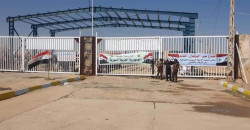
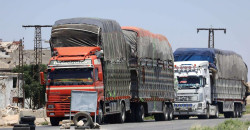
Despite the challenges, Hallak affirmed that Syria’s private sector retains the capacity to produce and compete but requires legislative stability and a clear legal framework to attract investment. He also emphasized upgrading transport fleets and improving border infrastructure to facilitate the movement of goods, noting that mutual trust among all partners is essential for fair competition.
He further proposed the creation of a specialized government body to oversee international trade cooperation and a unified roadmap for consulates and embassies.
Syria’s trade activity has significantly declined in recent years due to sanctions and prolonged economic hardship, sharply reducing its export reach and overall market presence.