Lebanon's Aoun rejects treason accusations amid talks with Israel


Shafaq News- Beirut
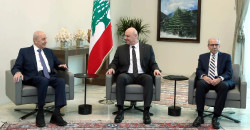
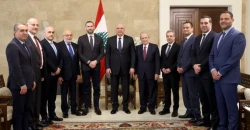
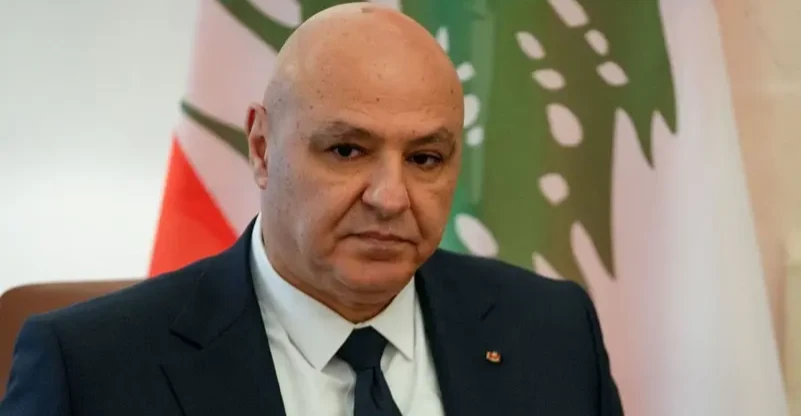
Lebanese President Joseph Aoun on Monday defended direct negotiations with Israel as the only path to ending the war, turning accusations of treason back on Hezbollah and questioning whether the group secured national consensus before dragging Lebanon into conflict.
"What we are doing is not treason," Aoun told a delegation from the southern Lebanese municipality Hasbaya. "Treason is committed by those who take their country to war in pursuit of foreign interests." Addressing critics without naming Hezbollah, he asked: "When you went to war, did you first obtain national consensus?"
His stated goal: an arrangement comparable to the 1949 armistice with Israel, with no acceptance of a “humiliating agreement.” Lebanon, Aoun explained, told US mediators from the outset that a ceasefire was a prerequisite for negotiations, a position reiterated at ambassador-level sessions in Washington on April 14 and 23. The official stance remains tied to a US State Department statement after the first round, committing Israel to halt offensive operations against Lebanese targets by land, sea, and air.
الرئيس جوزاف عون امام وفد من حاصبيا والعرقوب:- ابلغنا الجانب الاميركي القائم بمساعيه مشكوراً، ومنذ اللحظة الأولى ان وقف إطلاق النار هو خطوة أولى ضرورية لأي مفاوضات لاحقة وهذا ما كررناه في الجلستين اللتين عقدتا على مستوى السفراء في 14 و23 نيسان، وهو ما كان قد ورد بشكل واضح في… pic.twitter.com/EsEa93JsWu
— Lebanese Presidency (@LBpresidency) April 27, 2026
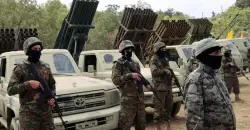
Earlier today, Hezbollah Secretary-General Naim Qassem urged the government to halt direct negotiations, revert to indirect channels, and revoke March 2 decisions classifying the group’s military wing as illegal. He accused authorities of making “a free, humiliating concession” under Israeli pressure and said Hezbollah would not consider itself bound by any outcome of direct talks.
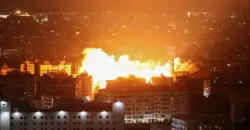
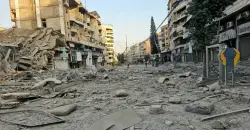
On April 24, US President Donald Trump announced a three-week extension of the US-brokered ceasefire, days before the original 10-day truce launched on April 16 was due to expire. Despite the truce, Israeli airstrikes, artillery fire, and demolition operations have continued in southern Lebanon, with Israeli forces maintaining a buffer zone separating dozens of villages from the rest of Lebanese territory.
At least 36 people have been killed since the ceasefire took effect, including 14 on Sunday, according to AFP figures based on Lebanese health ministry data. The ministry also reported at least 2,509 killed and 7,755 wounded since the war began on March 2.
Read more: How Lebanon's fragmented power blocks a peace with Israel