Kurds celebrate Nowruz publicly in Damascus for the first time



Shafaq News- Damascus
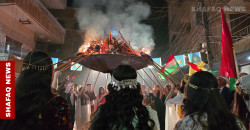
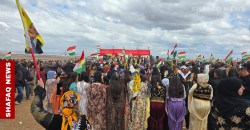
Kurdish communities in the Syrian capital Damascus celebrated the Nowruz holiday on Friday with public events held across several neighborhoods, for the first time, particularly in Rukn Al-Din and Shamdine Square, areas with a Kurdish majority.
Shafaq News correspondent said participants raised traditional symbols, lighting ceremonial fires, and performing folkloric dances to mark the occasion, one of the most significant Kurdish holidays.
Festivities were also held on Mount Qasioun from early morning, drawing large numbers of families and young people in unusually open and widespread celebrations within the capital.
Nowruz, celebrated annually on March 21, is one of the most important cultural occasions for Kurds, symbolizing renewal and the start of a new year.
A Kurdish resident, Ibrahim Sheikho, told Shafaq News that declaring Nowruz an official holiday in Syria reflects a noticeable shift in attitudes toward cultural diversity, adding that the decision carries strong symbolic importance for Kurds.
He said Nowruz represents deeply rooted cultural values linked to renewal and hope with the arrival of spring, and provides an opportunity to preserve traditions and strengthen social ties within the community.
In mid-January, Syrian transitional President Ahmad Al-Sharaa issued Decree No. 13 of 2026, recognizing Kurdish citizens as an integral part of Syrian society and affirming that their cultural and linguistic identity forms part of the national identity.
The decree commits the state to protecting cultural and linguistic diversity, guarantees the right of Kurds to preserve their heritage and develop their language, and recognizes Kurdish as a national language permitted to be taught in schools in areas with significant Kurdish populations.
It also designates March 21 as an official paid holiday across Syria to mark Nowruz, alongside commitments by media and educational institutions to promote inclusive national discourse and prohibit discrimination.