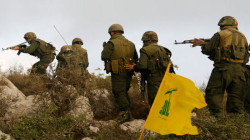
Israel's far-right ministers threaten Beirut over Lebanon drones


Shafaq News- Beirut
Israeli Finance Minister Bezalel Smotrich and National Security Minister Itamar Ben Gvir called Sunday for immediate strikes on Beirut's southern suburbs (Dahyeh), demanding retaliation for attacks from Lebanon toward northern Israel.
Smotrich argued that every rocket or drone attack targeting Israel should be met with the destruction of ten buildings in Dahyeh, a Hezbollah stronghold in the southern suburbs of Beirut, and demanded the action be carried out "immediately tonight."
הירי לעבר ישובי הצפון הוא מבחן למשוואת הדאחיה שראש הממשלה הכריז עליה. אני קורא לו לממש אותה בנחישות ובתקיפות ולהוריד עוד היום בניינים בדאחיה. אנחנו בימים קריטיים של עיצוב המרחב לשנים רבות. הבטחנו ביטחון לתושבי הצפון ואנחנו חייבים לקיים!
— בצלאל סמוטריץ' (@bezalelsm) June 14, 2026
“For every UAV - Hezbollah must tremble,” Ben Gvir said.
אדרוש ואבהיר שוב את עמדתי היום בדיון עם ראש הממשלה:על כל רחפן - טיל.על כל הפרה - אש.על כל כטב”ם - הדאחייה צריכה לרעוד.על כל שערה מראשו של חייל צה”ל - אלף מחבלי חיזבאללה.מול הטרור לא מכילים, מכריעים!
— איתמר בן גביר (@itamarbengvir) June 14, 2026
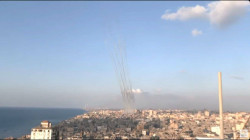
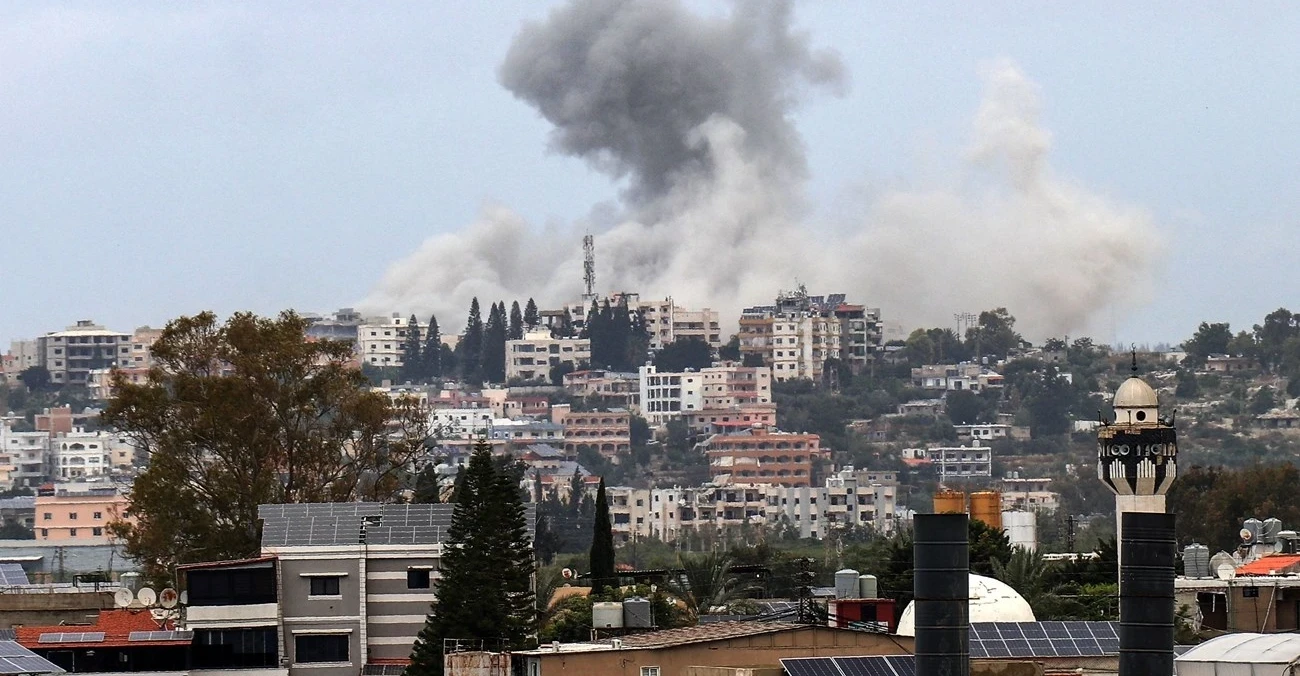
The Israeli military said sirens were activated in several communities in northern Israel following rocket fire from Lebanon. The Israel Defense Forces separately reported that two drones that crossed into Israeli airspace over the Western Galilee fell and detonated without causing casualties. Air raid sirens were also triggered in Rosh Hanikra and parts of the Upper Galilee following reported drone infiltrations from Lebanese territory.
Read more: Israel's war fell on Christians and Shiites in Southern Lebanon with no distinction
Hezbollah issued a single statement at 1:00 a.m. Sunday, claiming responsibility for a drone strike on an Israeli position in the southern Lebanese town of Houla, in response to Israeli ceasefire violations.” The group did not claim responsibility for any operation inside Israel.
A US-brokered ceasefire that took effect on April 16, established an initial ten-day ceasefire between Israel and Lebanon, later extended multiple times. A further ceasefire understanding was reached through US-led talks in Washington on June 3, requiring a complete cessation of fire by Hezbollah, though the group formally rejected the agreement the following day, with its leader, Naim Qassem, stating the group would accept only a comprehensive halt to Israeli aggression and a full Israeli withdrawal. Cross-border fire has continued on both sides since the Washington talks concluded, with both parties accusing the other of violations.
Read more: Beirut’s southern suburb empties overnight: Stories of displacement under fire
Both parties are scheduled to resume negotiations the week of June 22, according to the joint statement issued following the Washington talks.