Iran: +20 Israeli targets struck in June war


Shafaq News – Tehran
Iran targeted 21 strategic Israeli positions during the June war, Brigadier General Gholamreza Soleimani, commander of the Basij Organization, revealed, dismissing Israel’s belief that it could defeat Tehran in two weeks as “a foolish illusion.”
Speaking at a memorial in Isfahan late Thursday, Soleimani accused Israel of launching the 12-day conflict to provoke internal unrest in Iran, asserting the effort “failed on every front.”
He did not identify the specific sites struck, though Iranian officials previously described the missile and drone response as a calculated but forceful retaliation.
Israel presented a different account, outlining a sweeping offensive that allegedly damaged key nuclear and military sites—including Natanz’s Pilot Fuel Enrichment Plant (PFEP), underground centrifuge power systems, and facilities in Isfahan.
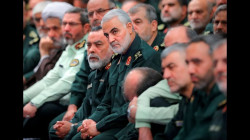
Israeli intelligence reported the deaths of top Iranian figures, including the Islamic Revolutionary Guard Corps (IRGC) intelligence chief, his deputy, Quds Force commanders, and several nuclear scientists. Two-thirds of Iran’s missile launchers and roughly 1,000 stored missiles were reportedly destroyed, while Russian-supplied S-300 systems were targeted to secure Israeli air dominance.
Additional strikes hit the Arak heavy-water reactor, Organization of Defensive Innovation and Research (SPND)-affiliated research labs, centrifuge factories, and facilities linked to Iran’s so-called “nuclear archive.”
In response, Iran launched more than 550 ballistic missiles and over 1,000 suicide drones at Israeli territory, according to both Israeli and regional sources. Israeli officials confirmed 28 fatalities—27 civilians and one soldier—and over 3,000 injuries from the attacks.
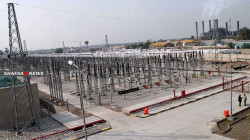
At least 31 Iranian missiles struck populated or strategic areas, including a southern power station, Haifa’s oil refinery, a central Israeli university, and multiple government and military facilities.
Although Israeli defenses intercepted most projectiles, footage circulated online showing widespread damage, fires, and structural losses across impacted areas. Independent verification remains limited, with analysts noting that media restrictions imposed by both governments have obscured the full extent of destruction.
Read more: Redrawing the map: How Iran–Israel war is reshaping the Middle East