GCC-EU statement sparks Iran fury over islands and defense


Shafaq News – Tehran
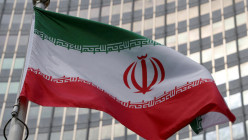
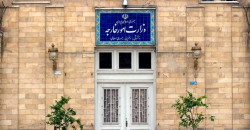
On Wednesday, Iran summoned several European ambassadors to Tehran to protest a joint statement by the Gulf Cooperation Council (GCC) and the European Union that challenged its sovereignty over three Gulf islands and criticized its nuclear and defense programs.
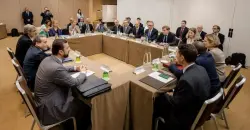
Tasnim News reported that the move followed a ministerial meeting between the GCC and the EU in Kuwait, where both sides reaffirmed support for the United Arab Emirates’ claims to the islands of Greater Tunb, Lesser Tunb, and Abu Musa, which have been disputed since 1971 - when Iranian forces took control - shortly before the UAE’s independence.
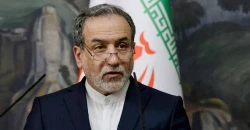
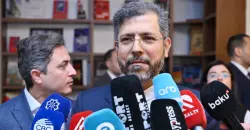
Foreign Ministry spokesperson Nasser Kanaani dismissed the statement, describing the islands as an inseparable part of Iranian territory.
He argued that repeating “baseless claims” in political statements carries no legal weight and does not alter historical or geographical facts, urging GCC members to abandon “recycling unfounded accusations” and focus instead on building mutual trust and regional cooperation.
Kanaani also criticized several European Union member states, including Germany and France, for backing Israel, “the only entity in the region that possesses nuclear weapons.”
“Israel is the main threat to peace and stability in the region,” he cautioned.
Highlighting what he called the EU’s “unwarranted” involvement in regional affairs, Kanaani noted that these countries have transformed the region into a vast arms market worth hundreds of billions of dollars while overlooking Israel’s military actions and expansionist policies. He stressed that they are “in no position to comment on Iran’s independent defense capacity.”
He further condemned Germany, France, and England (together known as the E3), as signatories to the 2015 nuclear deal, for their “weak and inconsistent conduct,” accusing them of exploiting the dispute-resolution mechanism to reinstate canceled UN Security Council sanctions.
“It is regrettable that those who created the current situation now present themselves as complainants,” he concluded.
The GCC and EU, in a joint statement issued Monday, emphasized that reinstating sanctions on Tehran does not mark the end of diplomacy, underscoring that political and diplomatic efforts remain the only path to a lasting resolution of Iran’s nuclear issue.
The communiqué also stressed the importance of Iran resuming full cooperation with the International Atomic Energy Agency (IAEA), urging Tehran to comply fully with its legally binding safeguards to help build confidence and strengthen regional and global security.
Read more: Iran's Nuclear Gambit: Cooperation halted, global alarms sound