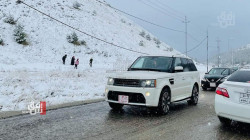
Visit Kurdistan: Al-Amadiya’s stories carried by the clouds


Shafaq News/ Perched high atop a flat mountain in Duhok province,
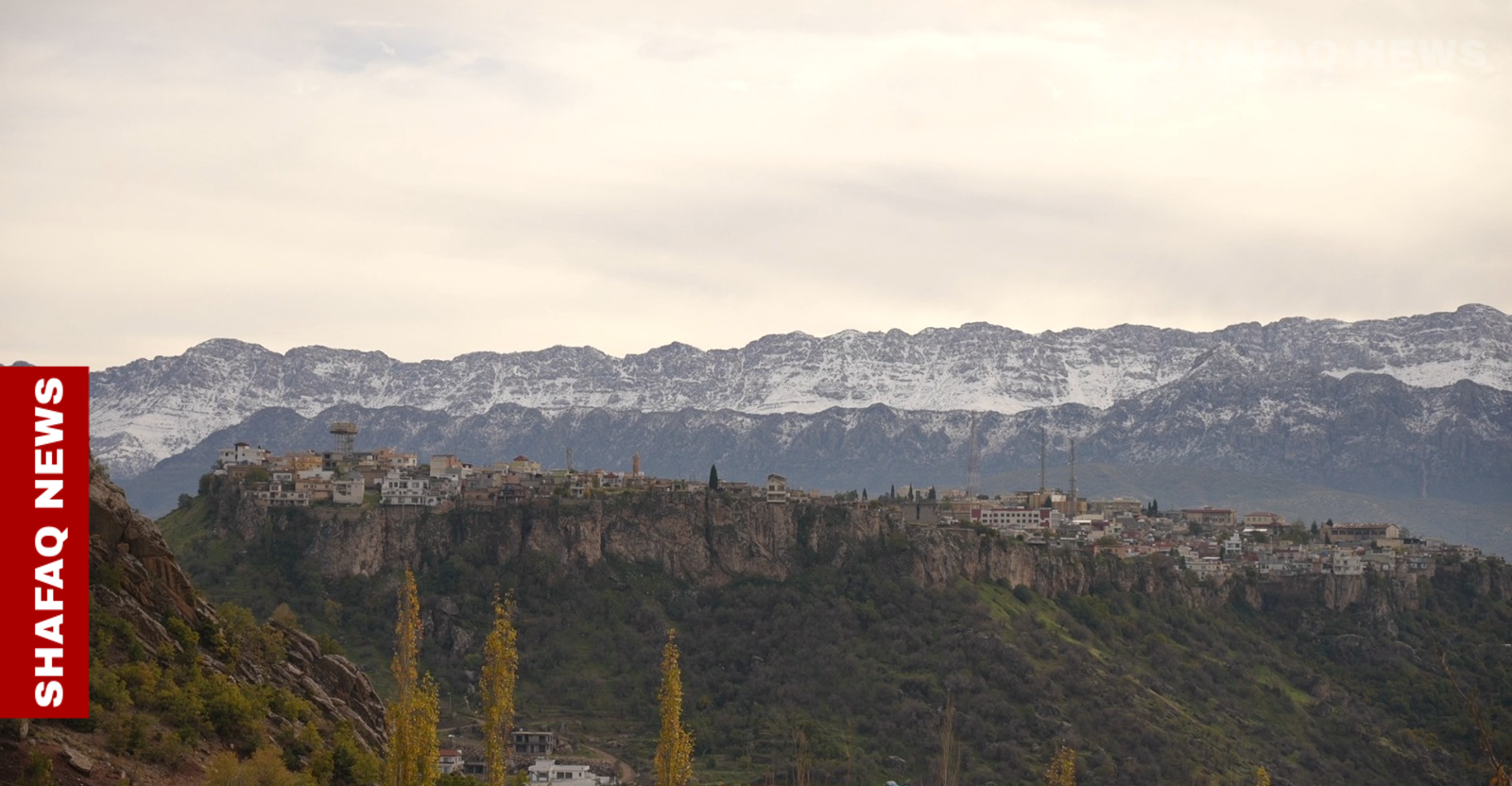
Al-Amadiya (Amedi) city stands as one of the Kurdistan Region's most
breathtaking and historic destinations. Located about 90 kilometers northeast
of Duhok, this ancient town offers travelers a rare blend of natural beauty,
rich history, and cultural warmth.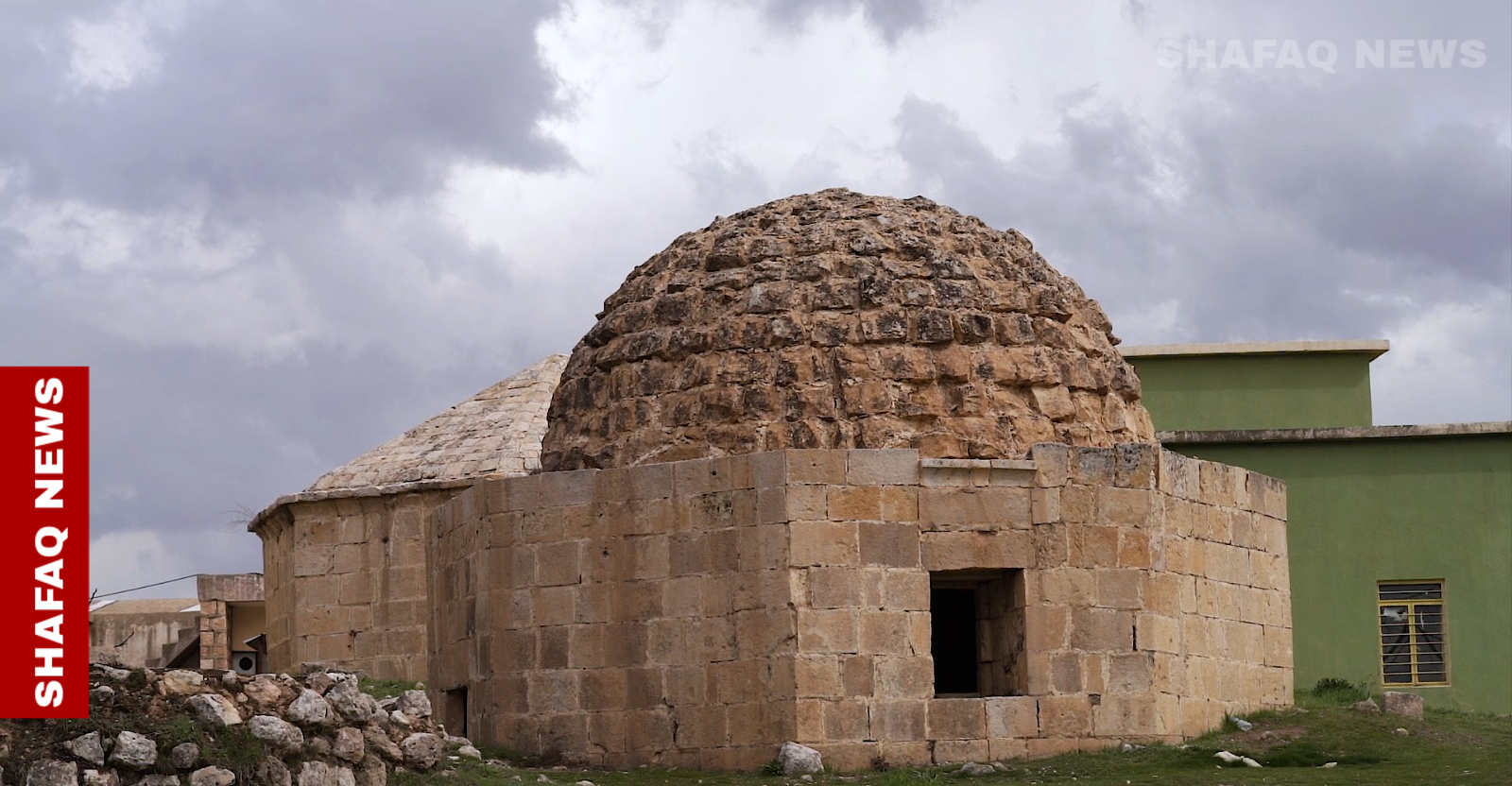
Where History Crowns the Mountains
Al-Amadiya’s roots stretch back over 4,000 years, having been home to Assyrians, Medes, Abbasids, and Ottomans. It holds deeper historical treasures with thirteen officially registered archaeological sites, each offering a window into a different chapter of Mesopotamian history.
“Duhok’s heritage spans multiple eras,” said Kovan Ihsan, a
researcher and antiquities expert at the Duhok Directorate of Antiquities, in
an interview with Shafaq News. Among these layers is a reference to Al-Amadiya
dating back to the 9th century BCE, when Assyrian King Adad-Nirari II called it
Kur Amad — a testament to the city's ancient stature.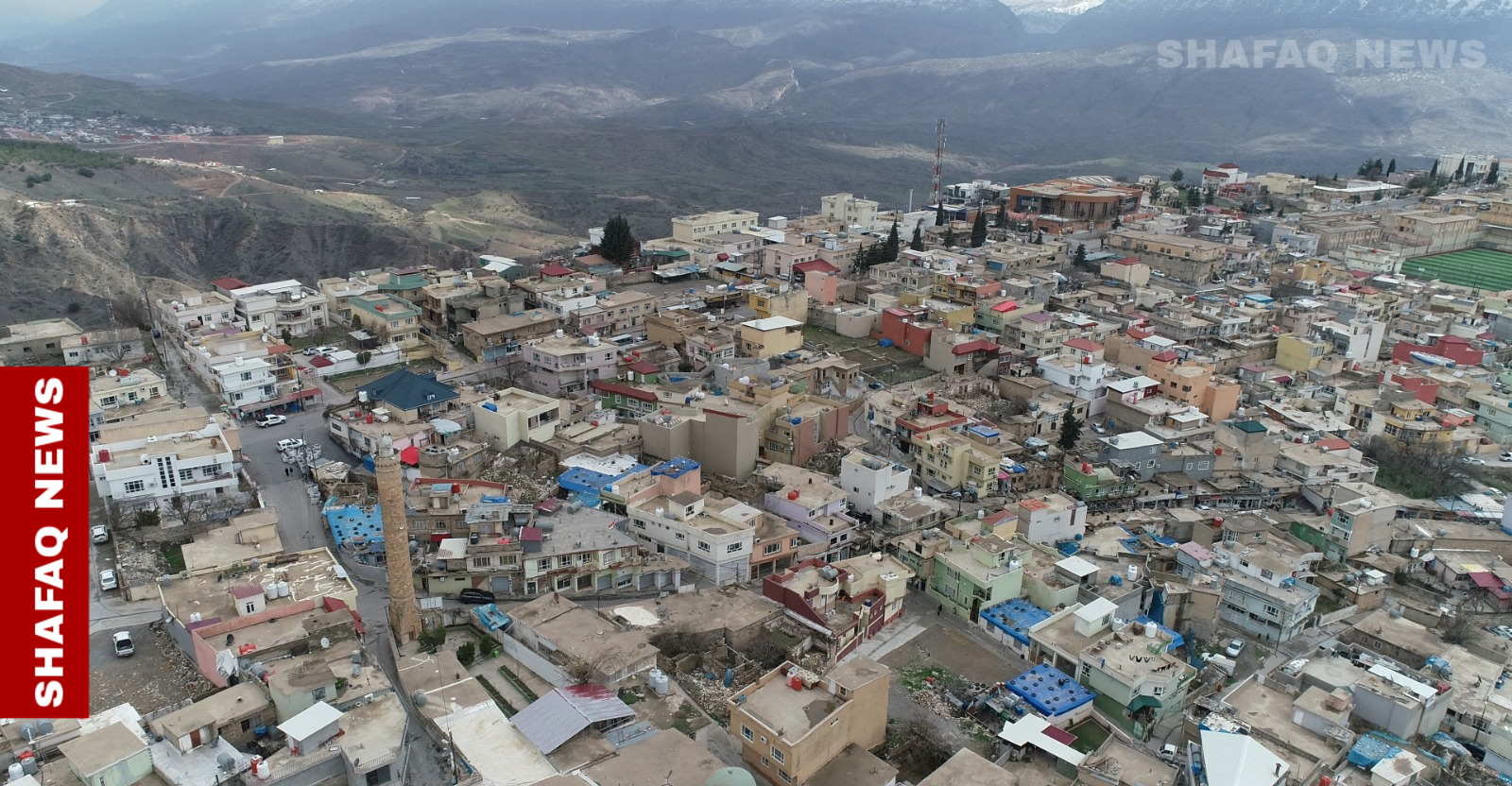
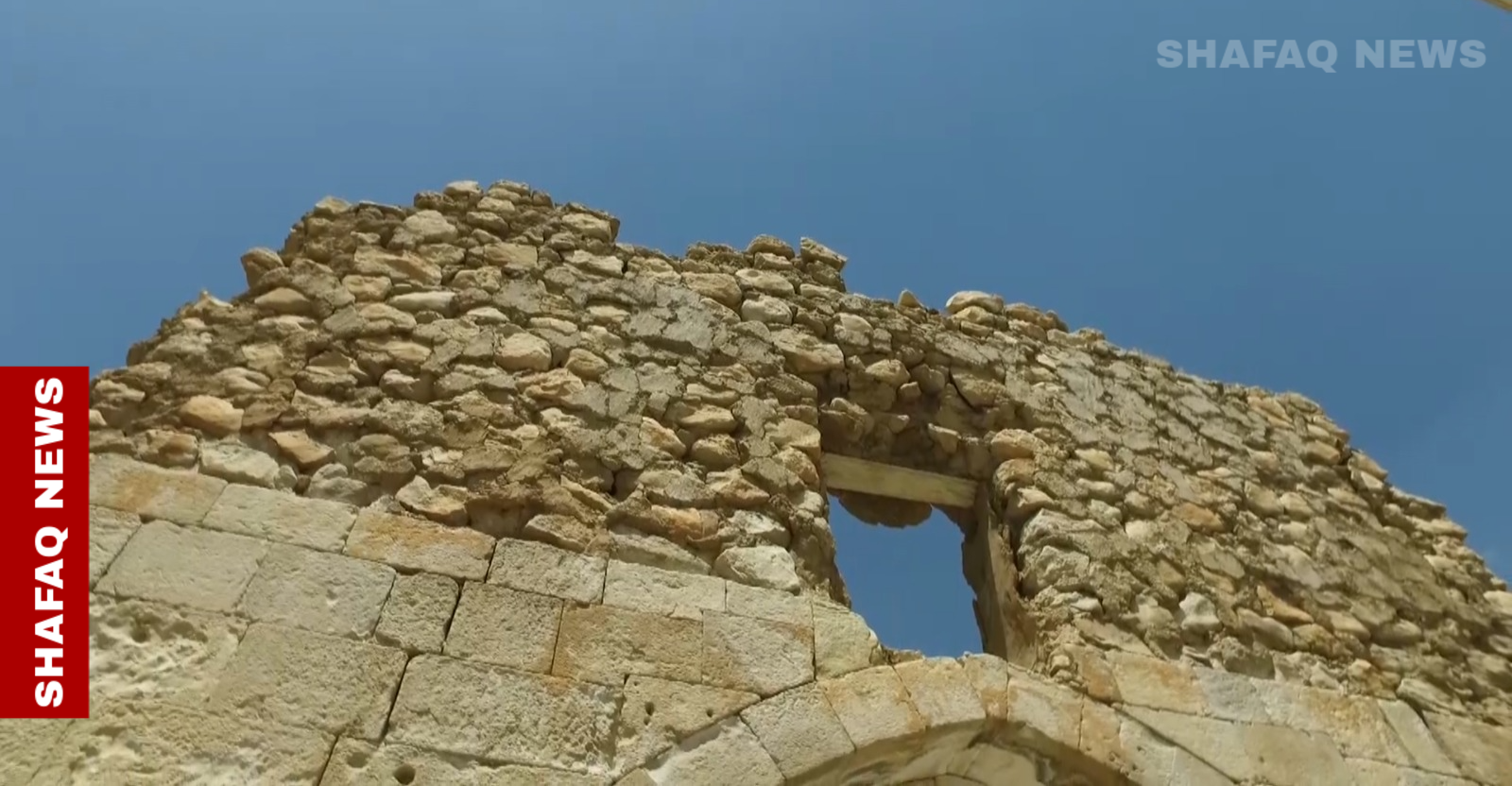
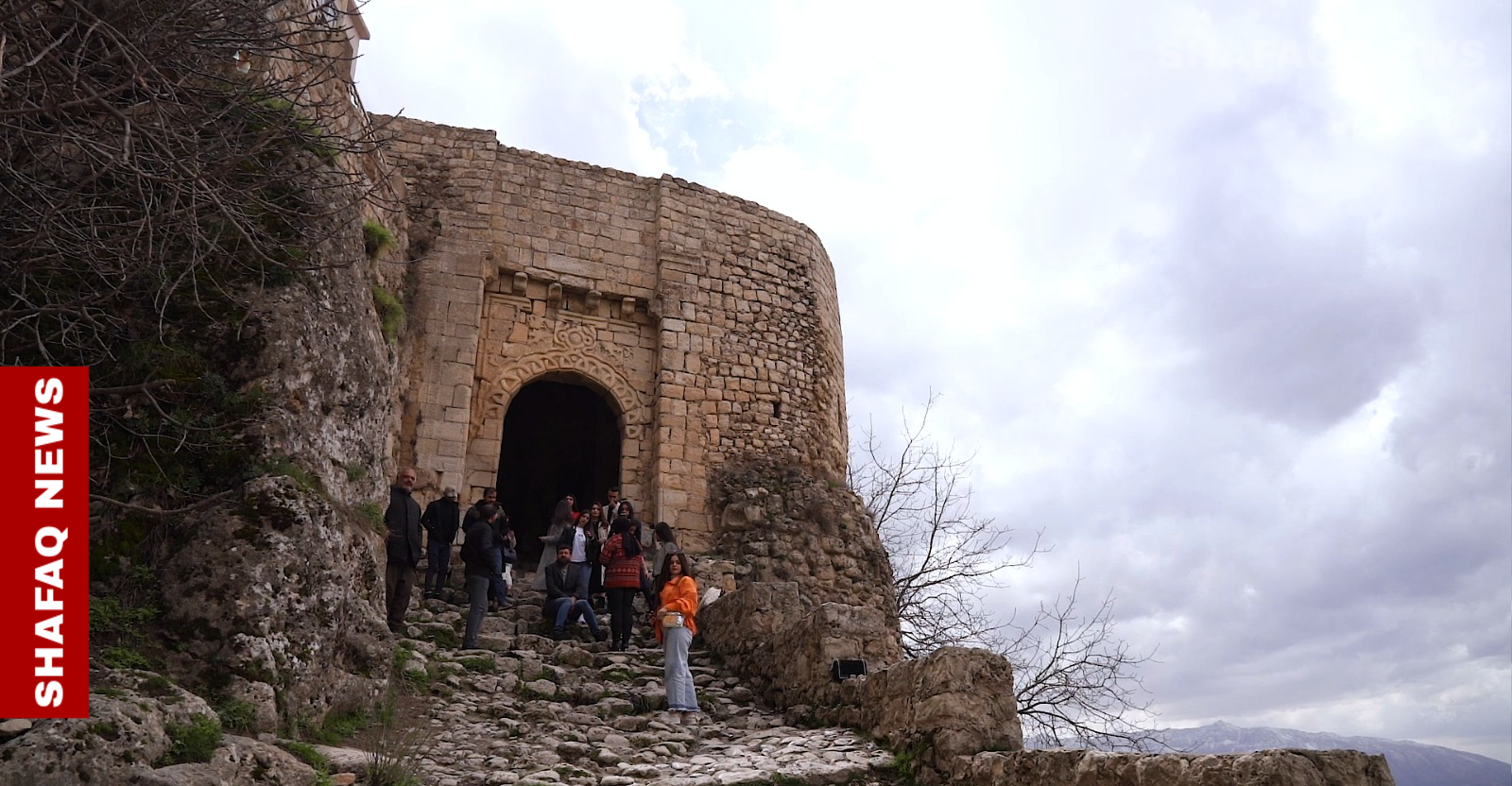
Notable sites include Kura Sriji, which preserves ruins from various periods, and the Al-Amadiya Gate, carved with figures believed to be from the early Simitic and Persian periods. The Zebar Gate, etched into the rocky landscape, also adds to the town’s architectural legacy.
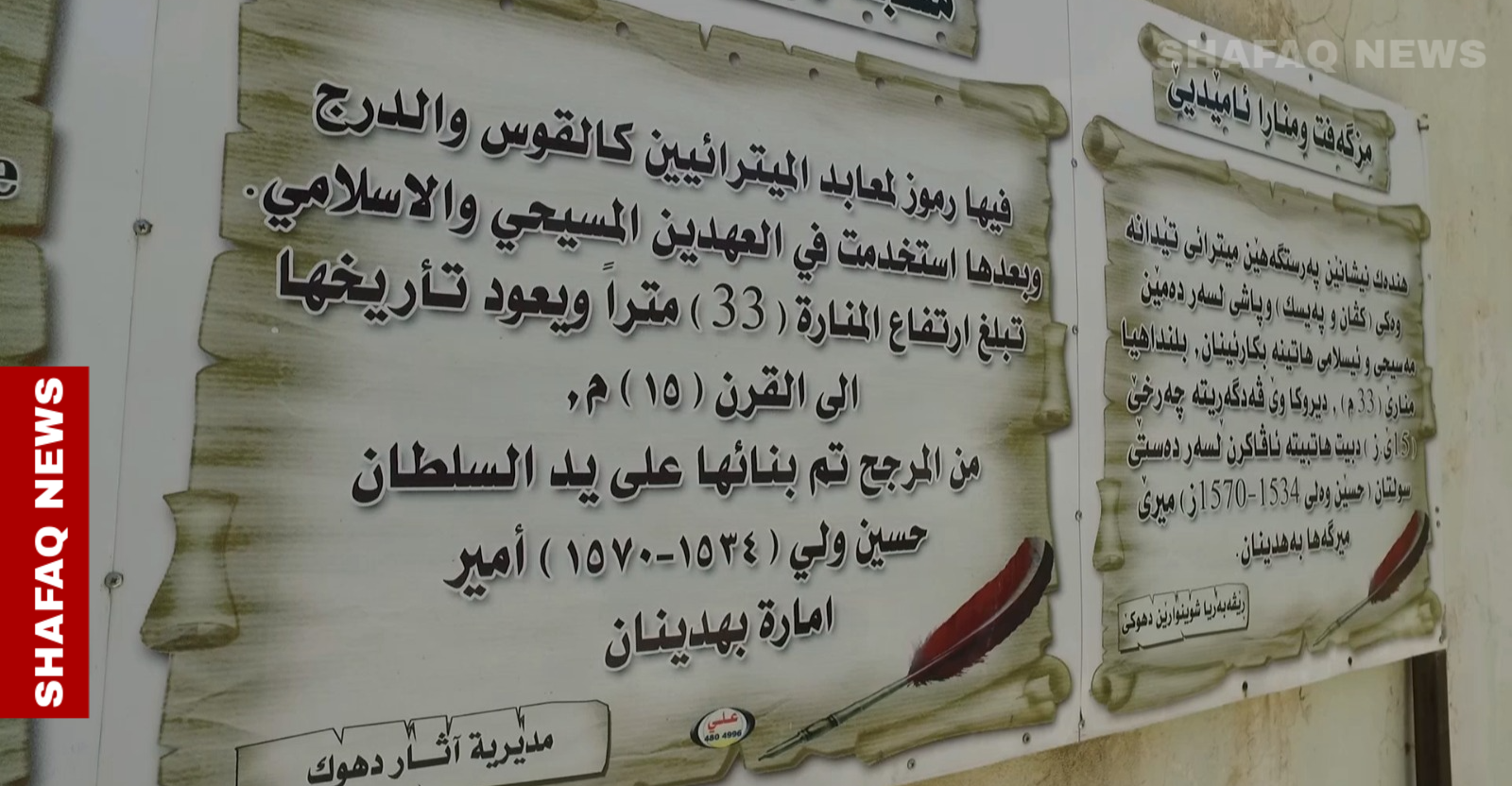
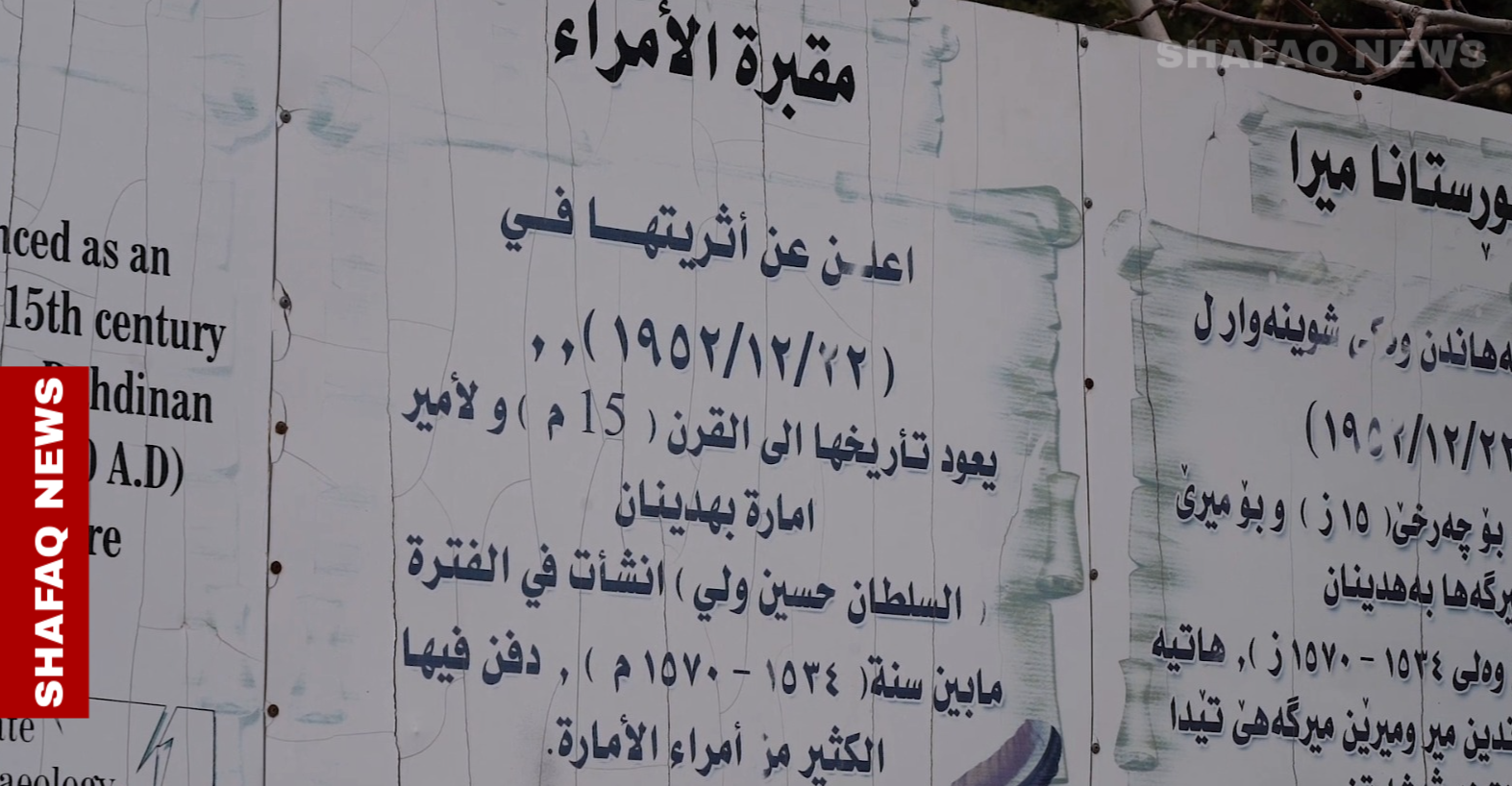
Islamic periods, according to Ihsan, left a rich imprint on Al-Amadiya, with landmarks such as the Qubahan religious school, a former center of learning, and the Great Mosque, built in traditional mountain style. Other significant sites include the tomb of Estella, the Al-Amadiya Citadel, and forts constructed under Sheikh Taha Al-Naqshbandi, which still evoke the city’s defensive legacy.
The Khazani Temple, a Jewish place of worship dating back to the
Badinan Emirate (13th–19th centuries), further highlights Al-Amadiya’s embrace
of religious and cultural diversity.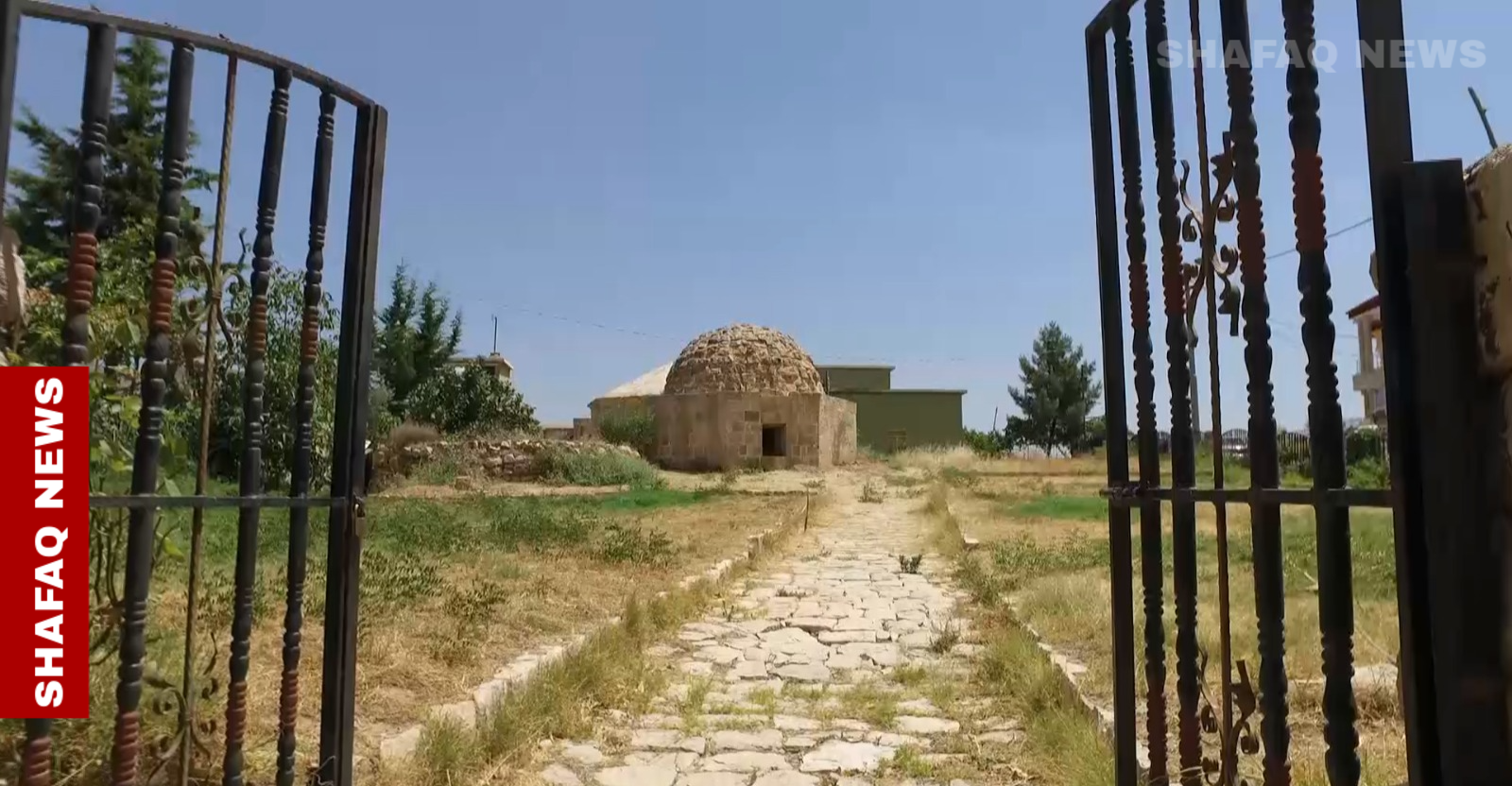
“Perched at 912 meters above sea level, Al-Amadiya’s strategic location on a massive rock formation encircled by deep valleys and rugged peaks grants it natural defense — qualities that have kept its stories alive for millennia,” underscored Ihsan. “This location not only offers beauty but also serves as a natural defense.”
Surrounded by dramatic cliffs and lush valleys, the city offers
panoramic views that captivate photographers, hikers, and history enthusiasts
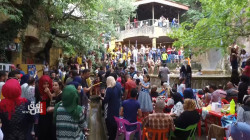
alike. Visitors can explore the old marketplace and scenic trails that reveal
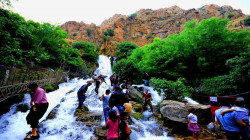
the breathtaking landscape. Nearby attractions include the scenic village of
Kani, the serene Sipa Waterfall, and the dramatic Gali Zanta valley. Adventure
seekers may also enjoy seasonal paragliding events around the cliffs, offering
a bird’s-eye view of this remarkable landscape.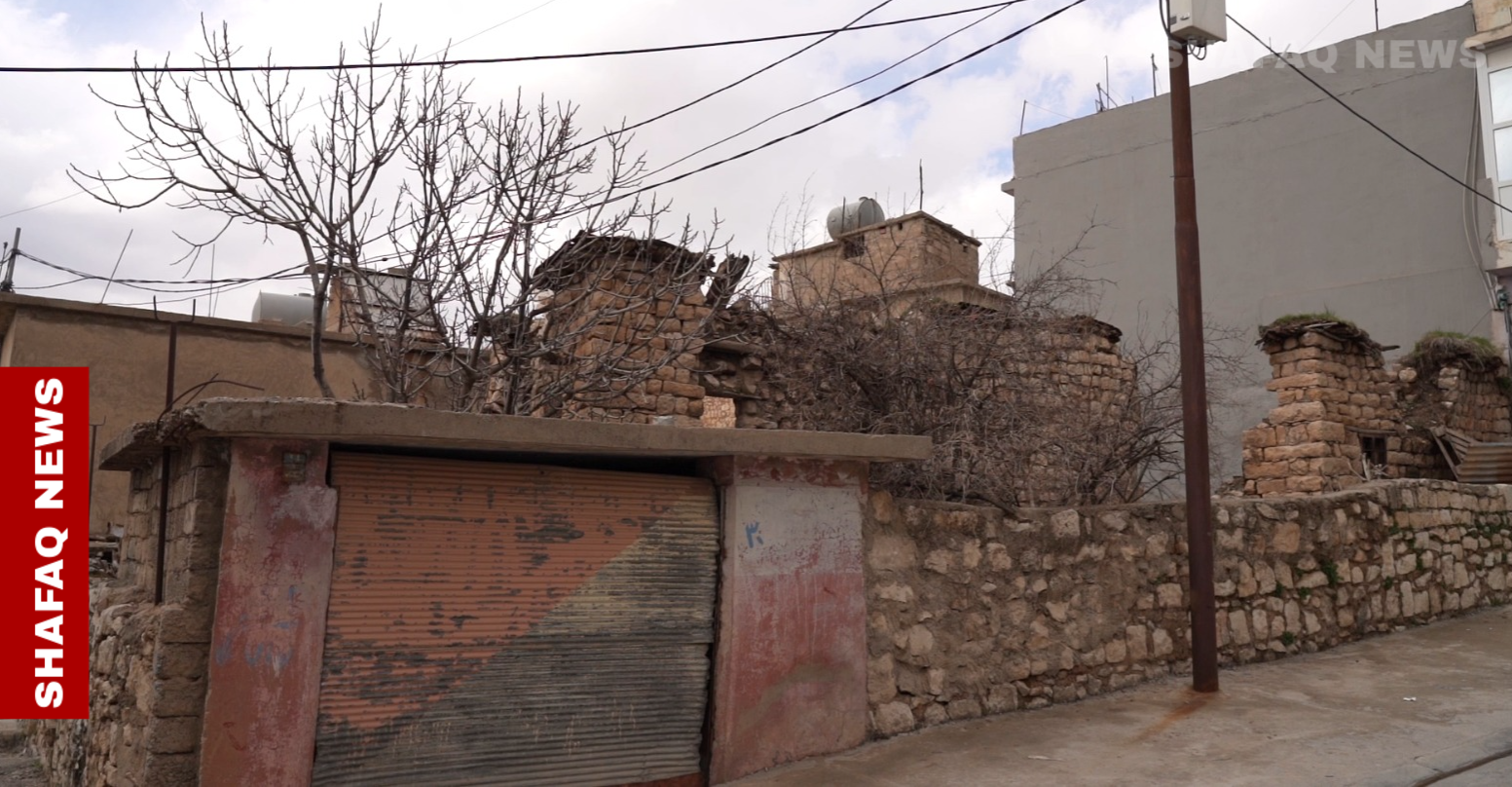
Nearby Stays
While Al-Amadiya itself does not have formal hotels inside the town, several comfortable lodging options are available nearby. Travelers can find motels, guesthouses, and tourist complexes along the road connecting Al-Amadiya to Duhok.
Options include the Gelye Sherane Motel and the Jwan Tourist Complex, offering modest amenities within easy reach of the town. Visitors seeking higher-end accommodations often choose resorts in nearby Sarsink, known for its cooler climate and family-friendly facilities, or larger hotels in Duhok city.
For a more traditional experience, small guesthouses around
Al-Amadiya provide a cozy stay, where guests can enjoy Kurdish hospitality,
homemade cuisine, and stunning views of the surrounding mountains.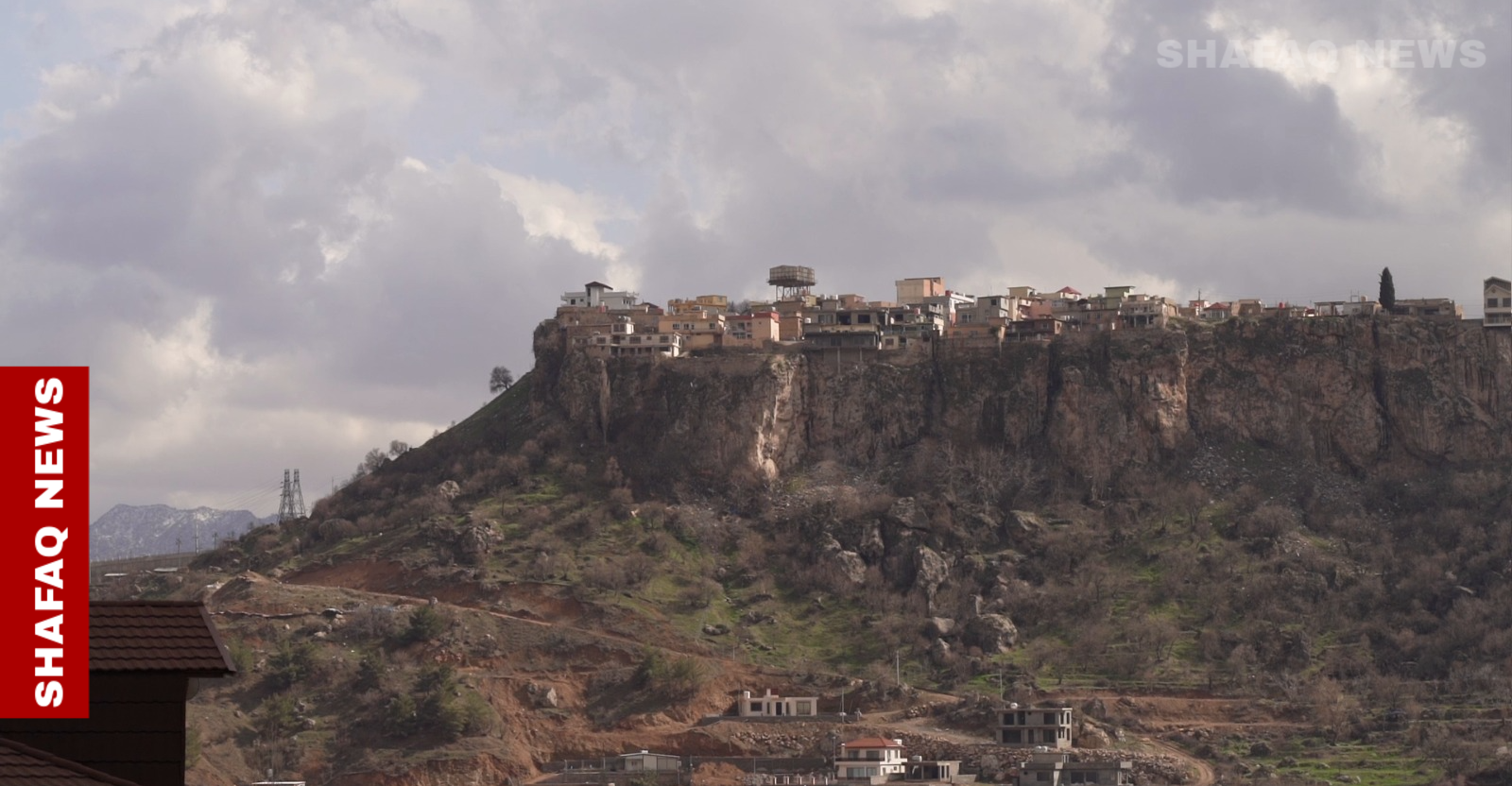
Best Time to Visit
The ideal time to visit Al-Amadiya is from April to October. In
spring, the town is surrounded by lush greenery and colorful blooms. Summer
brings cooler mountain air compared to the lowlands, while autumn blankets the
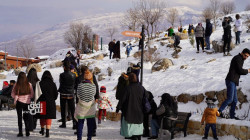
hills in golden hues. Winter offers a picturesque but chilly experience,
occasionally dusted with snow.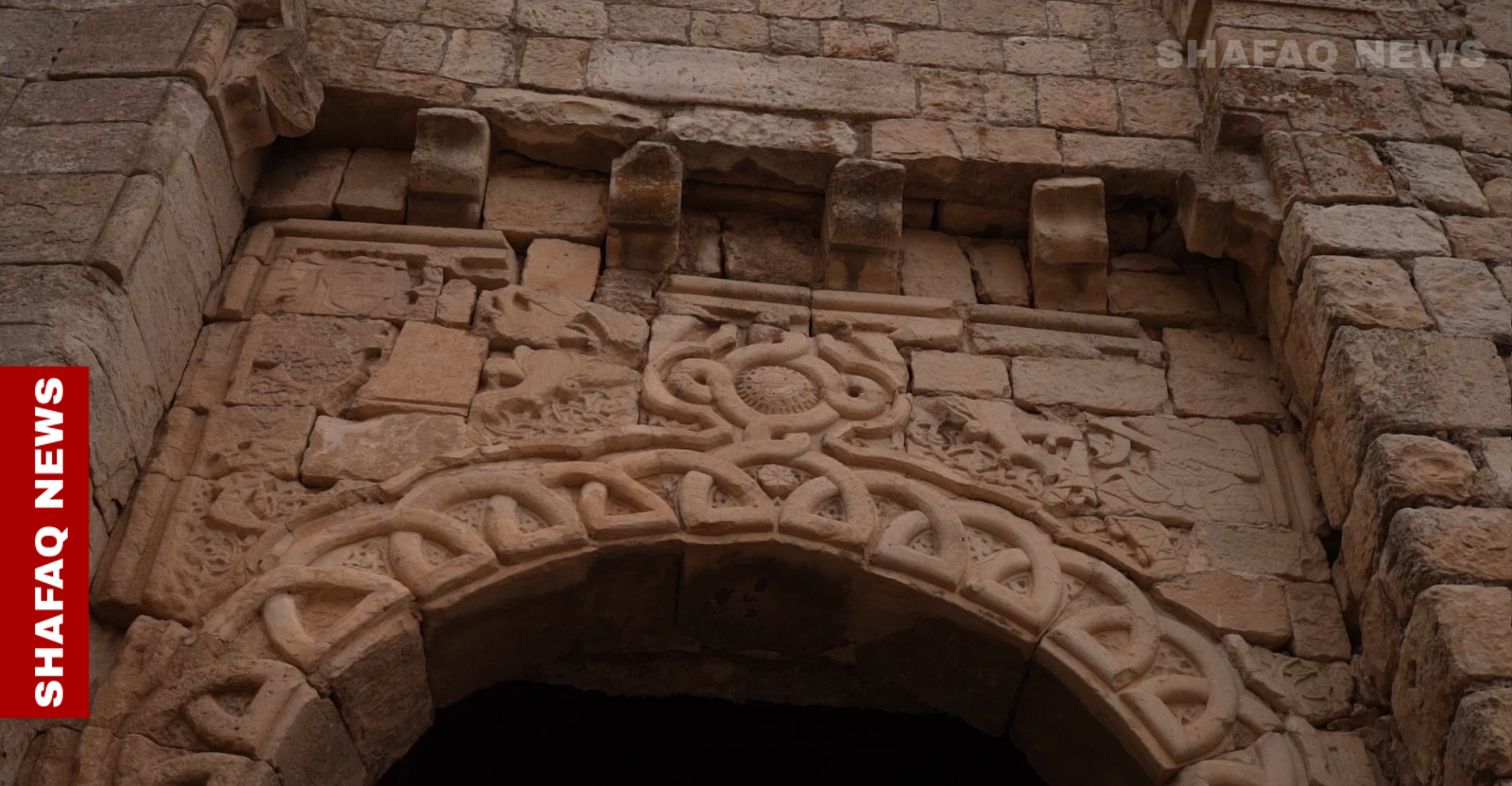
Your Road to the Mountaintop
The Kurdish city is accessible by car from Duhok, with a drive of
about 1.5 to 2 hours through winding mountain roads and scenic valleys. There
are no direct public transport options; travelers are advised to use taxis or
join guided tours.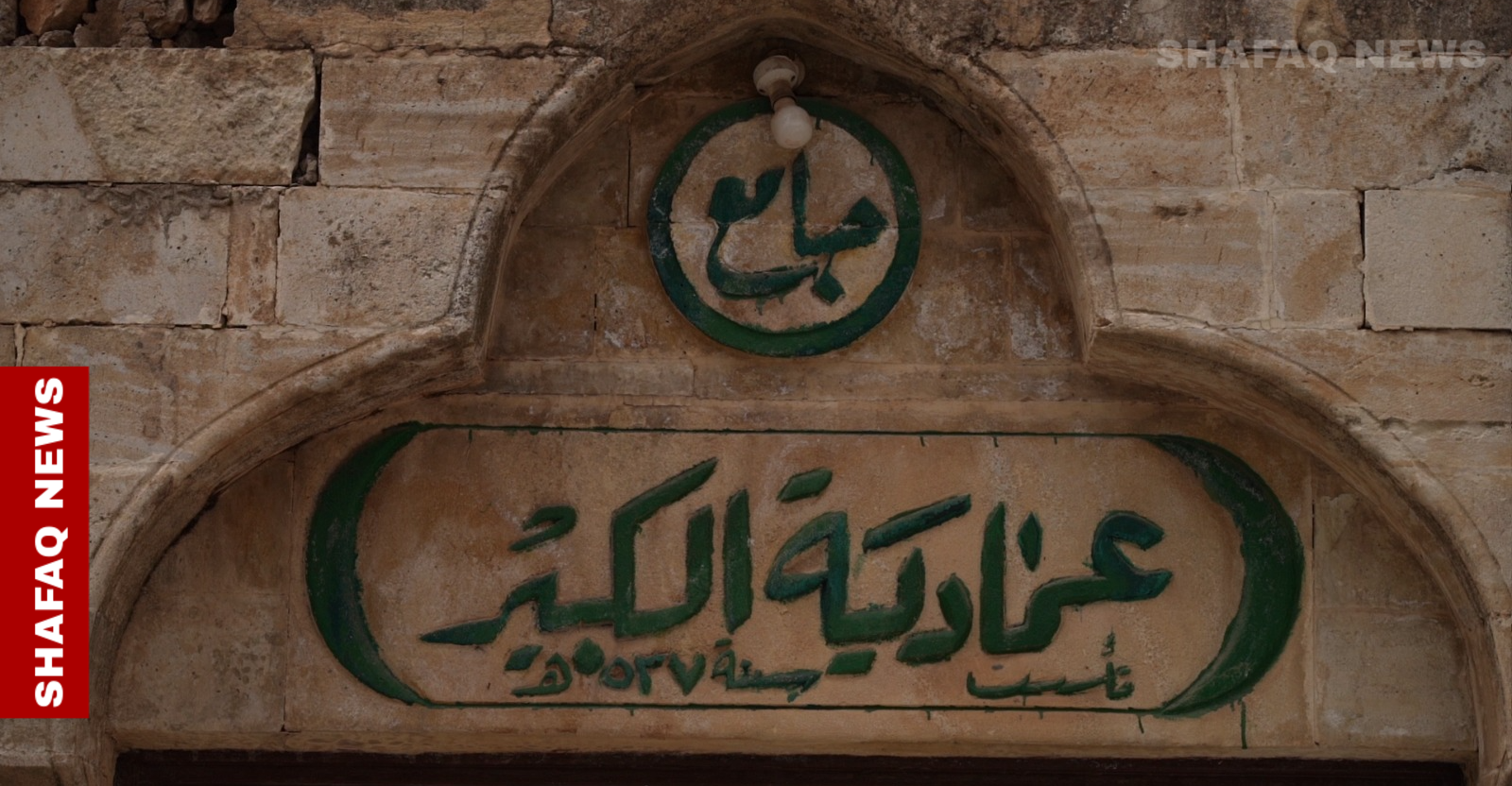
Cost and Facilities
Entry into Al-Amadiya is free; visitors can roam historical sites
without charge. Cafés and local eateries within the town serve traditional
Kurdish meals and fresh sweets. Shopping opportunities include locally made
crafts, honey, and embroidered garments.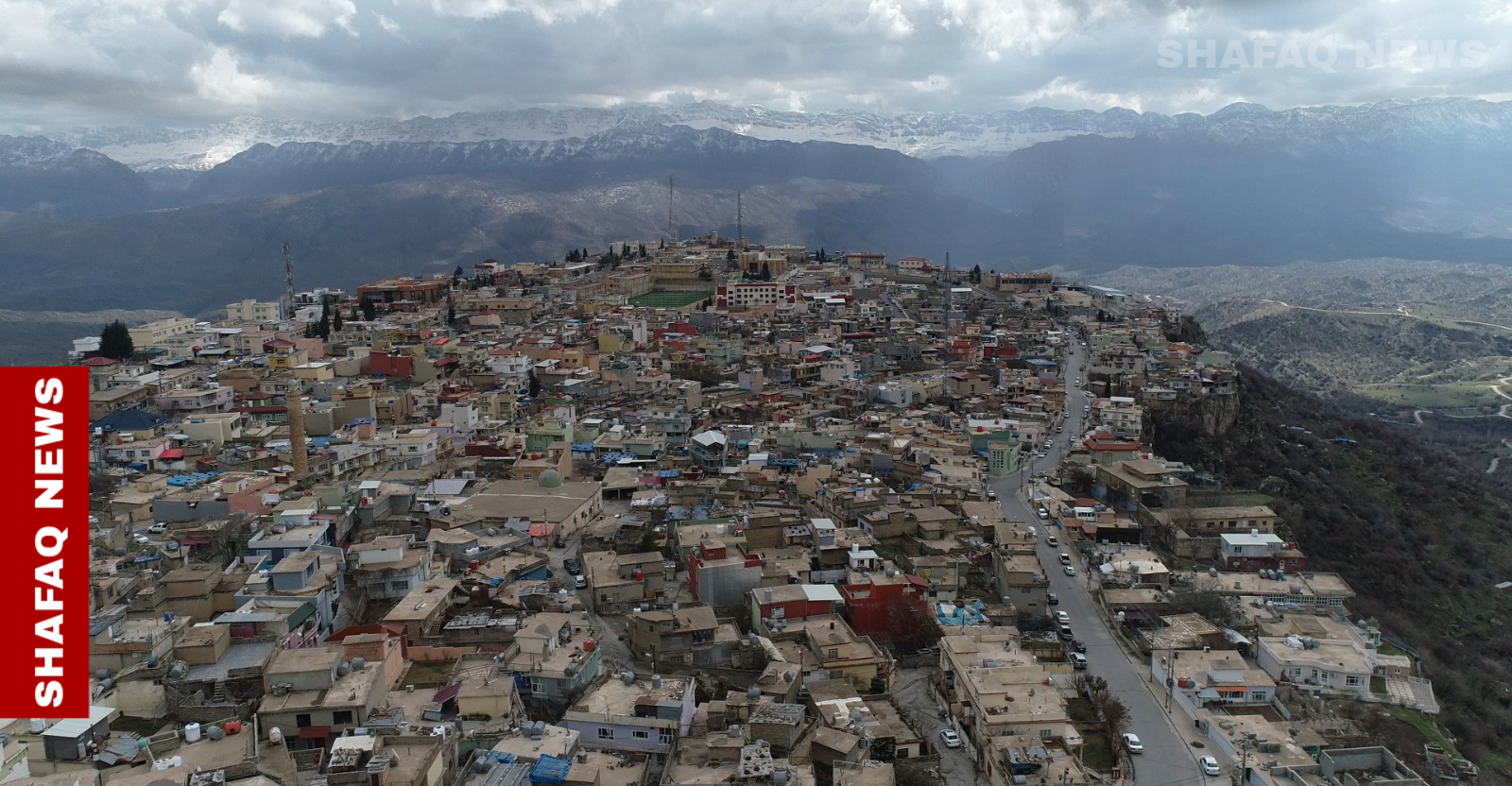
Government Support
In April 2024, the Kurdistan Regional Government, led by Prime
Minister Masrour Barzani, launched a major infrastructure initiative in the
Al-Amadiya district to boost local services and support future tourism growth.
The projects, valued at more than six billion Iraqi dinars ($4,581,369.71),
include constructing key roadways linking villages, expanding electricity
networks, and developing facilities.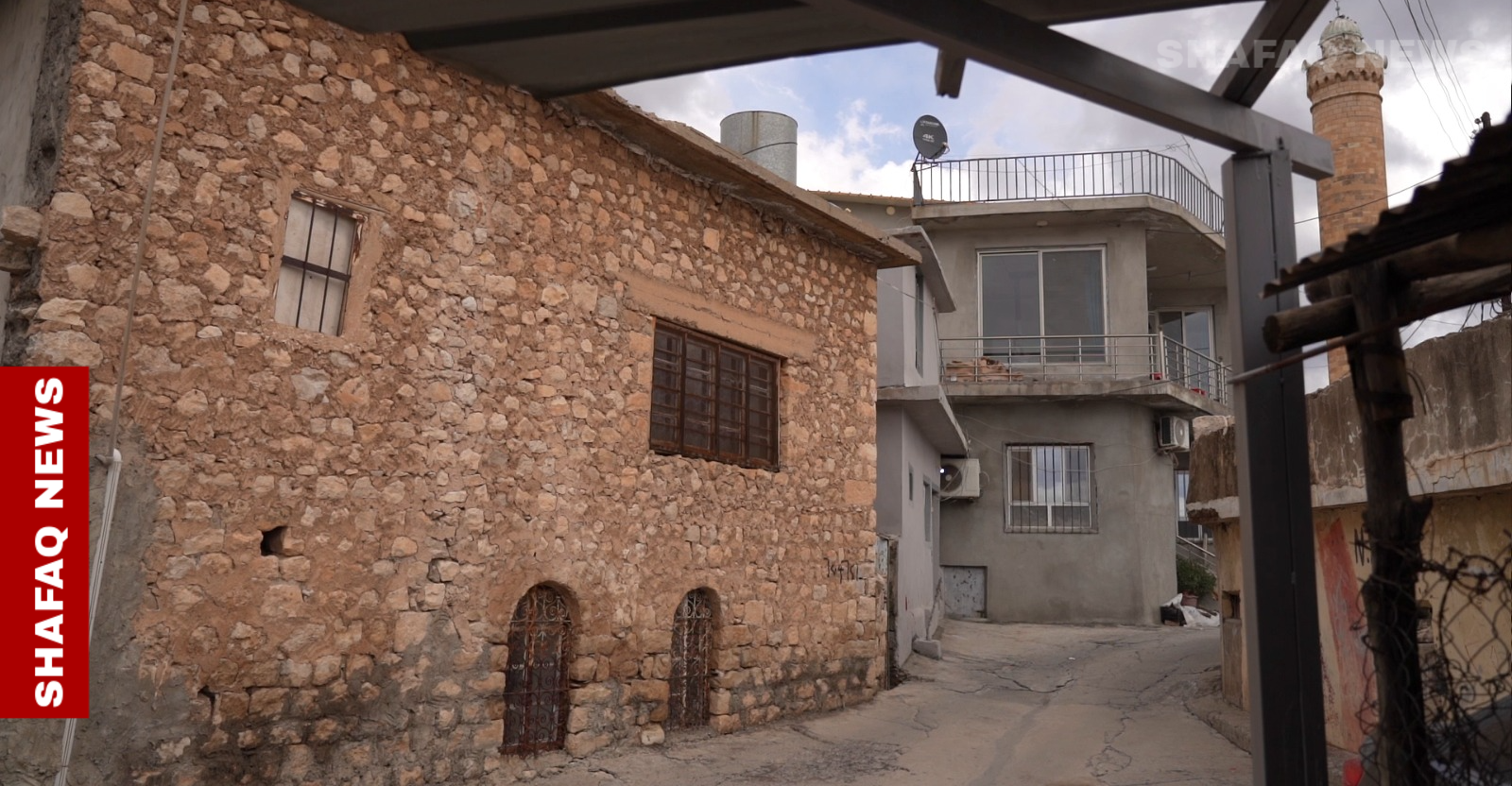
A Journey Through Time
Standing atop the cliffs of Al-Amadiya, visitors are transported
into a living tapestry of history, culture, and nature. For those seeking to
step beyond the ordinary and into the heart of Kurdistan's timeless spirit, the
city awaits with open gates and endless stories.