President Barzani demands practical solutions to Baghdad disputes


Shafaq News – Erbil
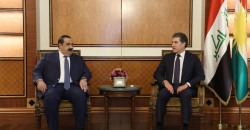
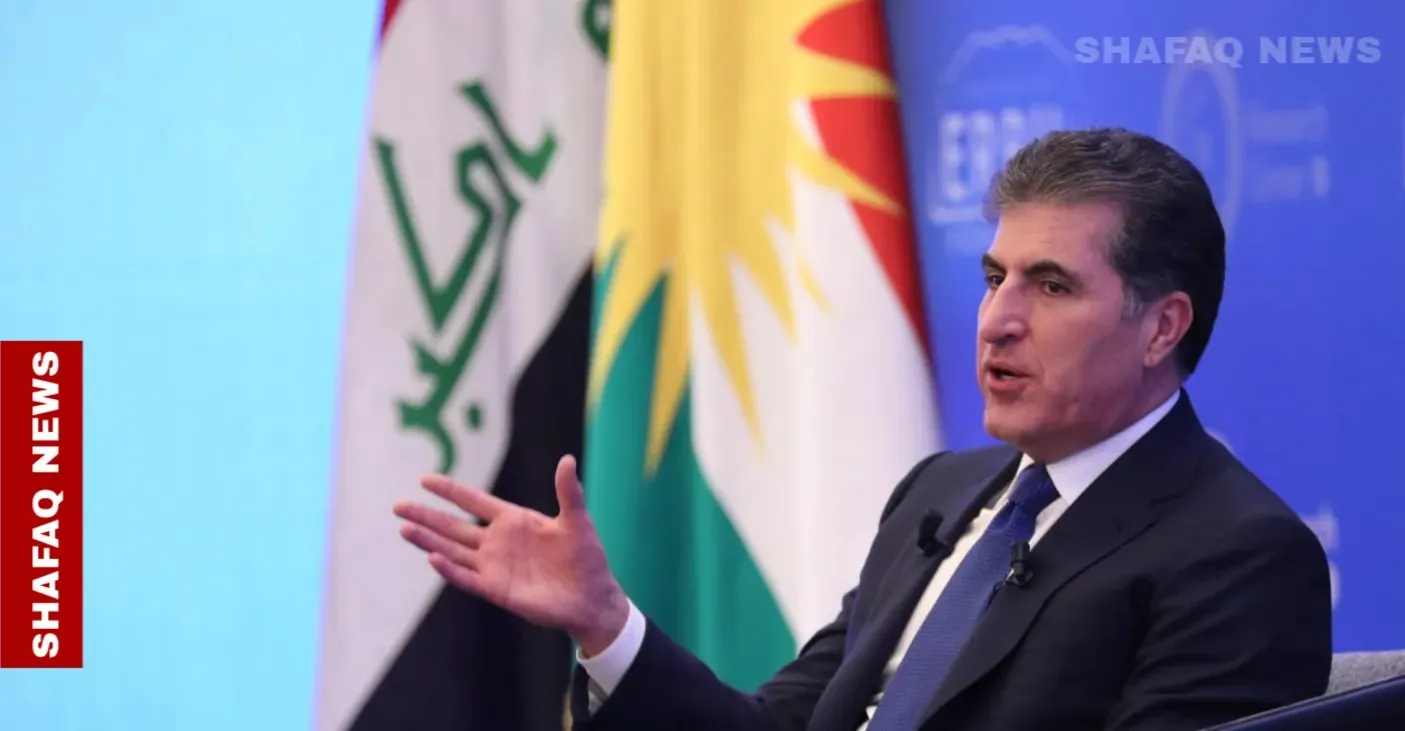
Kurdistan Region President Nechirvan Barzani described Iraq’s November 11 parliamentary elections as the start of a new chapter, warning that delaying solutions to long-standing disputes between Baghdad and Erbil “will cause headaches for all of Iraq.”
In an interview with Rudaw TV on Friday, Barzani said that both regional and international powers continue to back a strong and stable Kurdistan Region within Iraq, stressing that genuine progress depends on finding lasting settlements between the two governments.
“Geographically, we live within a country called Iraq, so our political engagement must be in Baghdad,” he said. “Baghdad is Kurdistan’s strategic depth, and all outstanding problems with the federal government need practical, realistic solutions.”
Read more: Erbil-Baghdad disputes: A cycle of missed opportunities and deep-seated divides
On relations between the Kurdistan Democratic Party (KDP) and the Patriotic Union of Kurdistan (PUK), Barzani—who also serves as the KDP’s deputy leader—acknowledged differences between the two main Kurdish parties but dismissed the idea of a deadlock. “We are two distinct parties with our own issues, but eventually, we must sit together—and with other groups—to work things out through dialogue. It’s not easy, but it’s not impossible.”
Reflecting on last year’s Kurdish elections, he called the vote “an important milestone,” noting that the outcome should pave the way for a government “that enjoys the trust of all communities.”
“I expect the political path ahead to become easier after these elections, not the opposite,” he concluded.
He further underscored that Erbil, al-Sulaymaniyah, and Duhok form an inseparable whole, describing the preservation of the Region’s unity and stability as a top priority.
Barzani urged all Kurdish political groups to present a united front in Baghdad on issues concerning the Region, warning that the lack of a common stance “will only make everyone lose.”
Read more: Six months of stalemate: Kurdistan’s government formation crisis deepens