President Barzani demands full implementation of Sinjar agreement


Shafaq News – Erbil (Updated at 14:29)
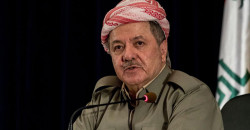
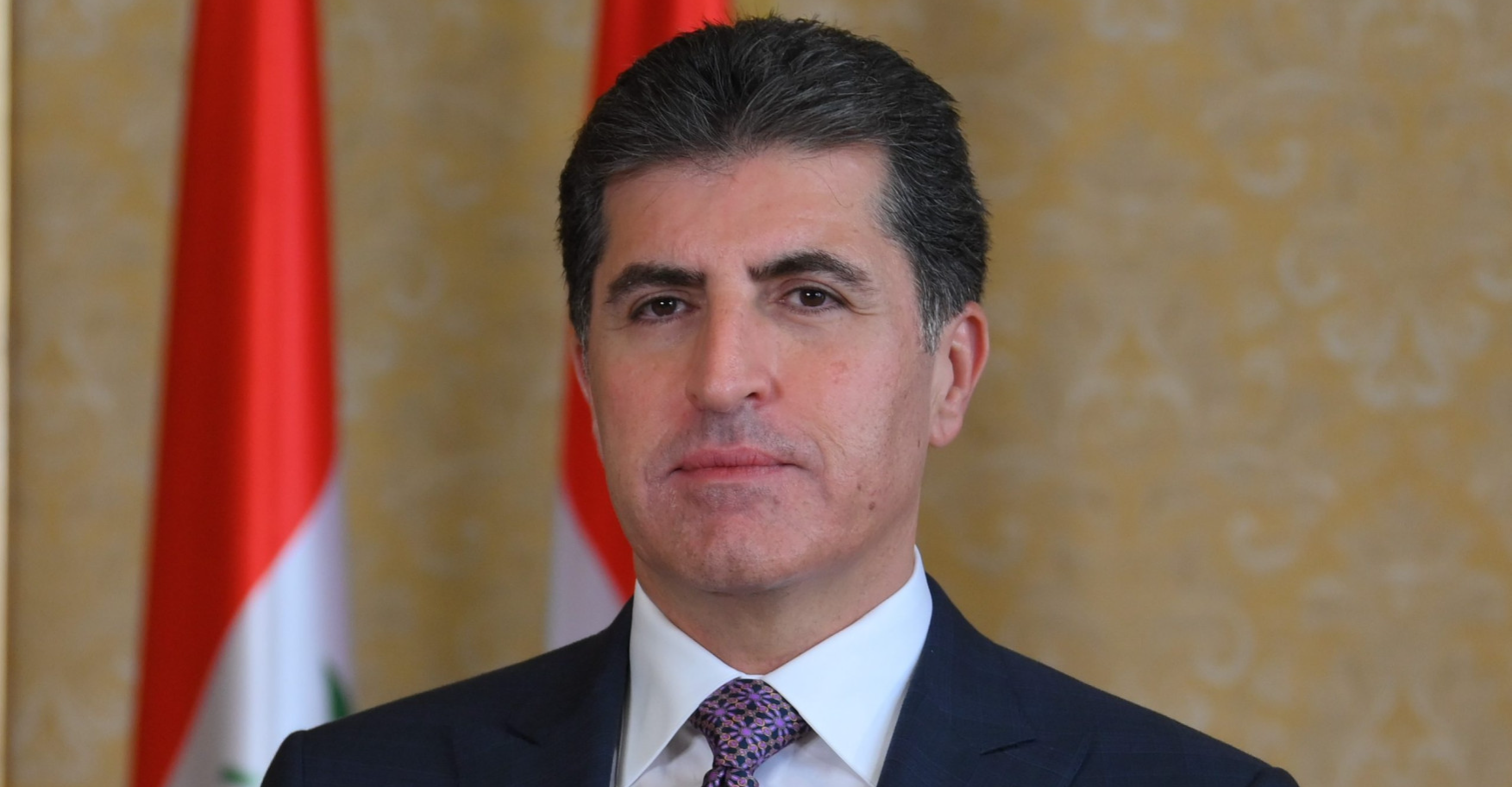
On Sunday, Kurdistan Region President Nechirvan Barzani called on the Iraqi government to remove all armed factions from Sinjar, warning that their presence continues to block stability and reconstruction efforts in the Yazidi-majority district.
Marking the 11th anniversary of the ISIS massacre in Sinjar, Barzani described the 2014 attack as a “heinous crime,” reaffirming the Kurdistan Regional Government (KRG)’s commitment to supporting the Yazidi community.
“Nearly half of the Yazidi population is still living in camps under severe economic, social, and psychological conditions,” Barzani stated, urging Baghdad to take stronger action to compensate Yazidi families and prevent Sinjar from remaining “a stronghold for militias and regional power struggles.”
ئهمڕۆ يادى بهئازارى يازده ساڵهى جينۆسايدى ئێزدييان دهكهينهوه و به ڕێز و وهفادارييهوه قوربانييانى ئهو تاوانكارييهى داعش، بهبير دههێنينهوه. پابهندى پێشكهشكردنى ههموو پشتگيرييهكين بۆ هاووڵاتييانى ئێزديمان و وێڕاى ههموو ئازارهكانى ڕابردوو، به ئومێدهوه له…
— Nechirvan Barzani (@IKRPresident) August 3, 2025
Calling for the full implementation of the 2020 Sinjar Agreement, which aims to restore local governance, bolster security, and enable the return of displaced residents, Barzani pressed for the restoration of services, justice for victims, and accountability for those responsible for the 2014 atrocities.
He also thanked the Global Coalition for its role in defeating ISIS, underlining the KRG’s ongoing commitment to the Yazidis. “We will not stop working to free the kidnapped and uncover the fate of the missing,” he concluded.
In a ceremony held in Duhok, Governor Ali Tatar expressed gratitude to President Barzani for establishing the Kidnapped Yazidi Rescue Office, crediting it with the liberation of nearly 4,000 individuals from ISIS captivity despite the enormous financial cost. He noted that around 20,000 Yazidis remain in displacement camps across the Kurdistan Region.
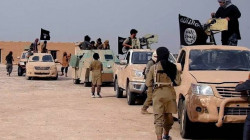
The August 2014 ISIS offensive on Sinjar resulted in mass executions, abductions, and the enslavement of thousands of Yazidis. Kurdish Peshmerga forces retook the district in late 2015, and two years later, Iraqi forces declared the full liberation of Nineveh and the defeat of ISIS.
More than a decade later, many Yazidi families are still searching for missing relatives. As of August 2025, official figures estimate that nearly 2,600 women and girls remain unaccounted for. Recovery efforts are ongoing, with authorities continuing to exhume and identify remains from mass graves scattered across the region.
According to United Nations estimates, ISIS left behind more than 200 mass graves in Iraq, believed to contain up to 12,000 victims.