Nurses in Iraqi Kurdistan private hospitals paid from $115


Shafaq News- Al-Sulaymaniyah
Nurses in the private health sector of the Kurdistan Region of Iraq (KRI) earn salaries starting at 150,000 Iraqi dinars a month ($115) for as many as 28 working days, according to a report released Wednesday by the civil society organization ARAN.
The survey of 1,600 private health workers found that 88 percent are paid at this low level and documented employment without contracts, exposure to violence and harassment, and unpaid probationary periods reaching 90 days.
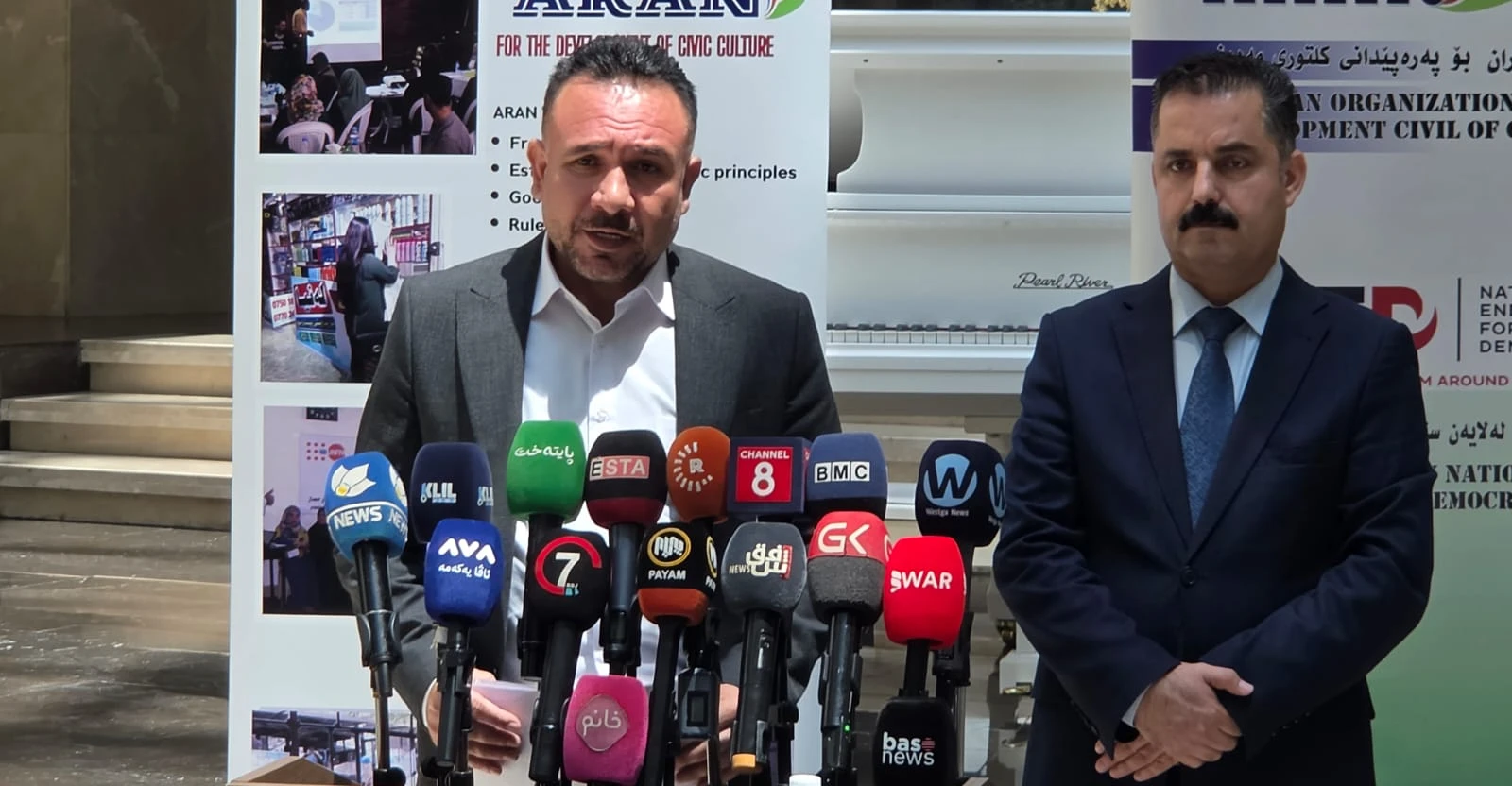
Speaking at a news conference, ARAN head Hazhar Baban said beyond the salary floor, the report found that 57 percent of nurses work without formal contracts, and 10 percent went through probationary periods with no pay at all, reaching 90 days in some cases. Three-quarters of those surveyed are not covered by social security, and some are unaware the entitlement exists; 39 percent work overtime without additional pay, and 16 percent were required to work outside their professional specialty.
On workplace safety, the report recorded that 22 percent of nurses faced violence from employers or patients' relatives, while 32 percent reported harassment. Baban said hospital management “often failed to protect staff or investigate assaults by patients and their families, and frequently sided with the patient.”
Some hospitals impose steep financial penalties, the report said, citing a case in which 25,000 dinars ($19) was deducted from a nurse's salary for sitting down for one minute when no patient was present. It added that certain hospitals bar nurses from resigning or moving to other institutions, leaving some without work for months before taking a new post.
The report also documented the use of nurses' photographs in promotional advertising without consent, salary deductions for equipment damage staff did not cause, and unequal distribution of shifts. It said workers in high-risk departments such as radiology “were denied hazard allowances guaranteed under law,” and that some institutions assigned staff to units outside their specialties to cover shortages.
“There is no application of World Health Organization standards for nurse-to-patient ratios, along with an absence of psychological support and professional rehabilitation programs,” Baban said, calling on the Kurdistan Regional Government (KRG) Health Ministry and other government bodies to tighten oversight of private hospitals and health institutions, enforce the labor law, and guarantee a safe and fair working environment that protects nurses' professional and human rights.