Kurdistan’s Al-Sulaymaniyah shelter provides home for 65 children


Shafaq News - Al-Sulaymaniyah
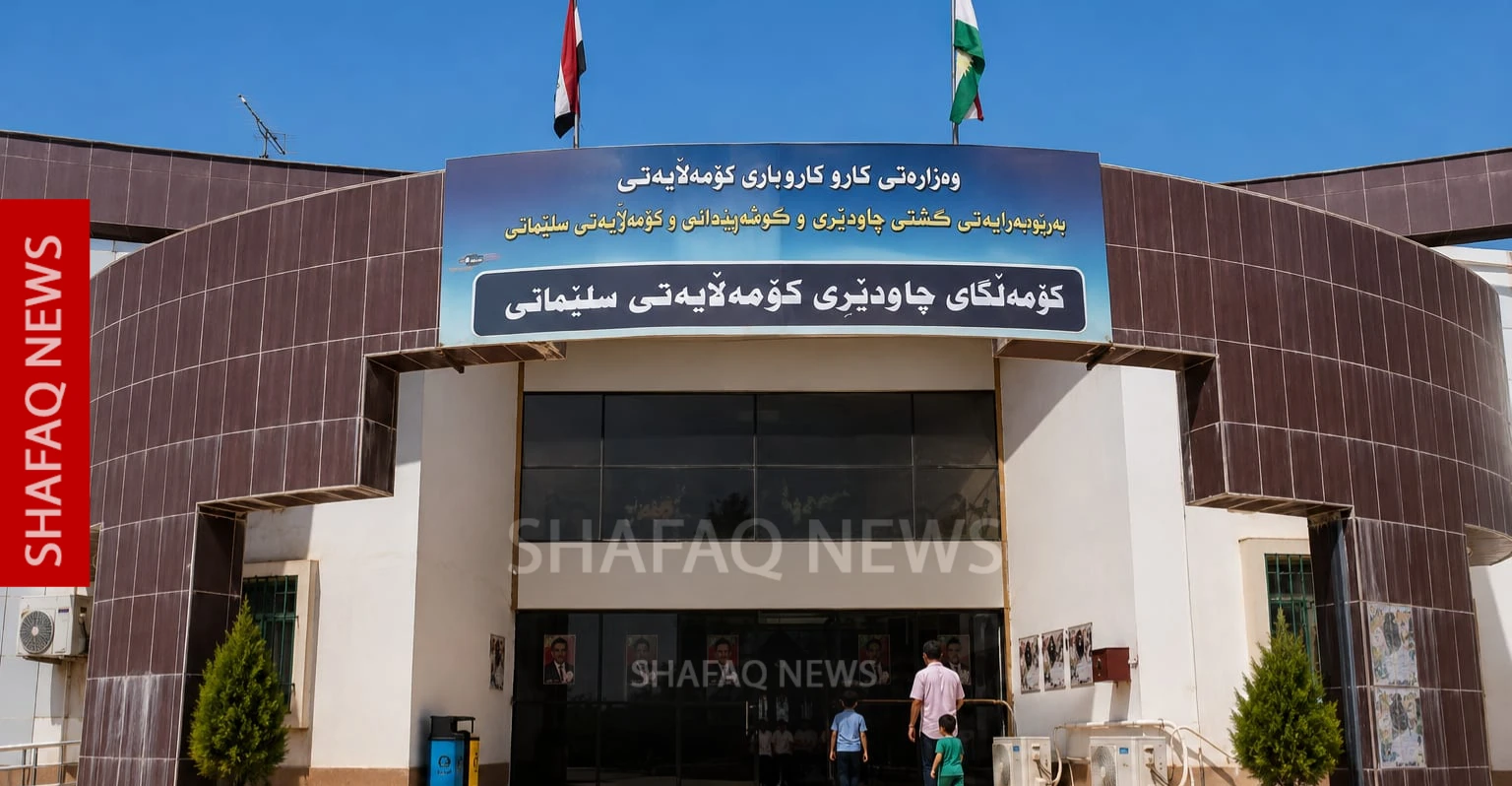
The Children’s Shelter in al-Sulaymaniyah province is providing a temporary home for 65 minors separated from their families due to parental loss, family breakdown and difficult social circumstances, while offering them the education, care and skills needed to build independent lives.
The young residents, from different age groups and ethnic backgrounds, including Kurds and Arabs, have access to housing, education and psychological support at the facility. “The shelter receives children from one day old to 18 years old,” Director Zhyar Jalal told Shafaq News, explaining that residents are divided into five units based on age to address their different educational, psychological and personal needs.
The youngest group includes infants and children up to four years old, while separate units accommodate boys and girls between four and 12. Two additional divisions serve adolescents between 12 and 18 years old.
Managing the center involves more than providing accommodation and meals, with specialized teams overseeing educational and social programs designed to build confidence, encourage independence and prepare young residents for life after leaving the facility.
Read more: Iraq’s forgotten children: Orphans of war left to scavenge for survival
Beyond daily services, the administration is also working to resolve legal issues facing some of those living there. In cooperation with volunteer lawyers in Baghdad and al-Sulaymaniyah, the center is completing procedures to establish the identities of minors who lack official documents, particularly those from the Arab community.
“Some residents arrived after losing both parents, while others still have one parent but were placed in the home because of divorce, family disputes or difficult household conditions,” Jalal added, pointing also to cases involving children born from relationships that lack legal recognition, leaving them without confirmed parentage or a guardian.
Social researcher Mariwan Adham informed Shafaq News that the rising number of minors without a stable family environment reflects wider social and economic pressures.
“Care institutions provide an important humanitarian service, but they cannot permanently replace a family setting,” she noted, urging authorities to expand preventive measures, including family counseling, household assistance programs and broader protection services that keep vulnerable young people within safe environments whenever possible.
Adham also called for stronger legal procedures to protect children’s rights and ensure those without official documents can establish their identities and family links.
Meanwhile, social researcher Maryam Ali cautioned that youngsters raised in residential care require continuous psychological and educational follow-up to help them adjust after leaving the center and reduce the risk of isolation or social stigma.
Maintaining that the broader challenge lies in tackling the family conflicts, economic hardships and social difficulties that separate minors from their homes in the first place, she stressed that the long-term goal is to ensure care centers remain a temporary refuge rather than a necessity for vulnerable young people.
Read more: The unseen lives of Iraq's 'Kareem Al-Nasab' children