Kurdistan relocates Iranian opposition positions, denies US arms


Shafaq News- Erbil
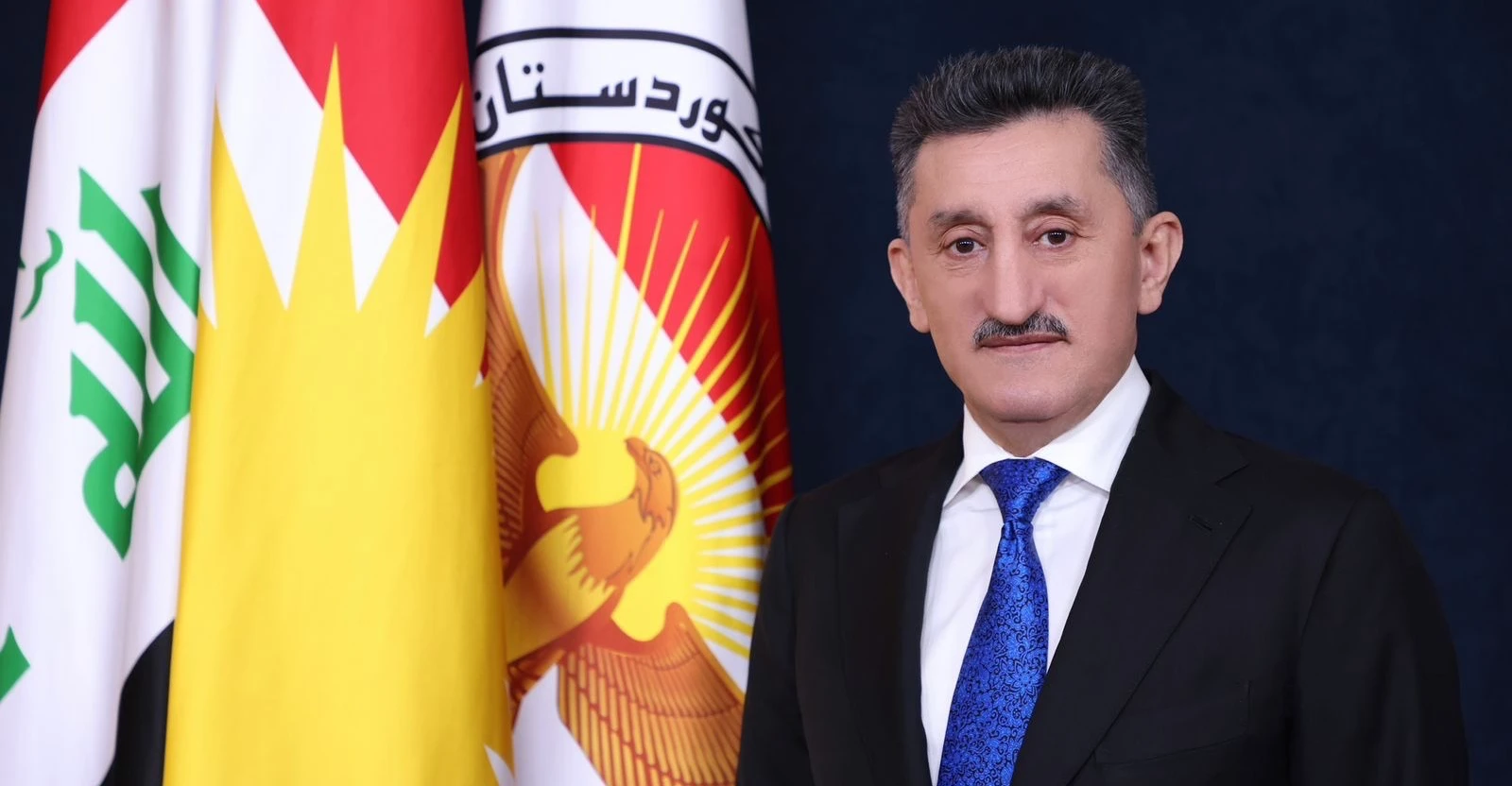
The Kurdistan Region (KRI) has relocated armed Iranian Kurdish opposition positions up to 40 kilometers from the Iranian border and has not received US weapons intended for those groups, Nouri Othman, head of the Kurdistan Region President's Office, said on Monday.
In an interview with Russia's RT television, Othman said KRI would not allow its territory to be used to launch attacks against neighboring countries.
He explained that most Iranian Kurdish opposition groups had been present in the Region since the rule of Iraq's former government. They include armed groups and refugees, although no precise figures are available.
According to Othman, the groups do not operate conventional military camps but maintain armed positions and possess light weapons. Consultations between Baghdad and Tehran, including joint committee meetings, led to the withdrawal of opposition positions from border areas and their relocation approximately 40 kilometers inside the Kurdistan Region.
He said Kurdistan Region President Nechirvan Barzani had repeatedly informed Iranian opposition parties that attacks against neighboring countries could not be launched from the Region's territory.
Othman also categorically denied that the Region had received US weapons intended for Iranian opposition groups, describing claims that Washington had sent weapons to Erbil for delivery to those groups as baseless.
He acknowledged the challenges facing the Region, saying Tehran accused it of hosting Iranian opposition groups while Washington accused it of failing to deliver weapons to them.
On the wider US-Iran conflict, Othman said Barzani had maintained intensive contacts with Washington and Tehran, emphasizing that the Kurdistan Region was not a party to the confrontation. He said those diplomatic efforts had helped reduce strikes targeting the Region.
Othman also denied the presence of Israeli Mossad military bases in the Kurdistan Region, stressing that “it is part of Iraq, complies with Iraqi law and follows Baghdad's position of maintaining no diplomatic relations with Israel.”
He said an Iranian delegation had visited Harir Airport in Erbil and inspected the facility, confirming that “no Israeli military bases were located there.”
On Turkiye and the Kurdistan Workers' Party (PKK), Othman expressed hope that the peace process would continue and reaffirmed the Kurdistan Region Presidency's readiness to maintain its mediation efforts. He also disclosed an agreement to integrate PKK-linked personnel into the Iraqi police in Sinjar district.
Iraqi authorities announced on Monday that procedures had begun to end the separate military status of the PKK-linked Sinjar Resistance Units (YBS) and integrate their personnel, weapons and positions into official security institutions, with federal authorities assuming security responsibility for Mount Sinjar.
Regarding the Peshmerga, Othman described them as a constitutionally recognized force operating within Iraq's legal framework, saying they “could not be compared with armed groups outside state control.”
He reaffirmed the Region's support for federal efforts to place weapons under state authority, adding that the Peshmerga did not possess substantial heavy weaponry and that military equipment received from the Global Coalition during the war against ISIS had been “supplied with Baghdad's knowledge.”