Kurdistan, Germany seal MoU to curb irregular migration


Shafaq News – Erbil
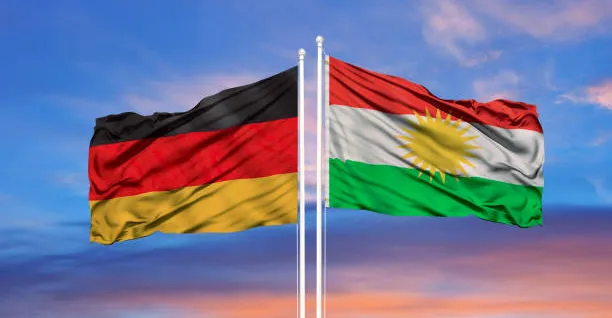
The Kurdistan Region’s Joint Crisis Coordination Center (JCC) and the Deutsche Gesellschaft für Internationale Zusammenarbeit (GIZ), a German development agency, signed a memorandum of understanding (MoU) Thursday in Erbil to strengthen migration management.
Backed by the Kurdistan Interior Ministry and the German Consulate, the agreement focuses on expanding access to legal migration pathways—including visas, education, and employment—to reduce dependence on human smuggling networks.
In a joint press conference alongside German Consul General Albrecht von Wittke on the sidelines of the MoU's signing, Kurdish Interior Minister Reber Ahmed welcomed Germany’s broader support for Iraq and Kurdistan, highlighting Berlin’s contributions in counterterrorism and humanitarian aid, and praised the partnership for helping guide youth toward structured migration through awareness campaigns on legal procedures, job access, and language skills.
Von Wittke, for his part, referenced Germany’s longstanding migration history with Kurds—dating back to the 1980s and reinforced during the 2014 ISIS crisis—emphasizing the MoU’s role in channeling movement through legal routes and facilitating voluntary returns.
The agreement follows recent warnings from German officials about the dangers of irregular migration, including a consular visit to Zakho, where he urged youth not to trust smugglers offering illegal access to Europe.
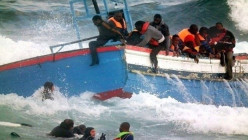
Migration from the Kurdistan Region has surged over the past decade, with the Association of Returnee Refugees estimating that more than 150,000 Kurds left for Europe between 2014 and 2024, often via hazardous routes through Belarus and the Balkans, where many faced exploitation or death.
In response, Germany and the Kurdistan Regional Government (KRG) have expanded cooperation on reintegration programs, while Berlin reaffirmed its commitment to working with both Erbil and Baghdad on refugee protection, youth employment, and long-term migration strategies.
Read more: German Ambassador to Iraq: Security, refugees, economy, and women’s rights