Kurdish exile in Gaza longs to return home after 40 years


Shafaq News – Gaza
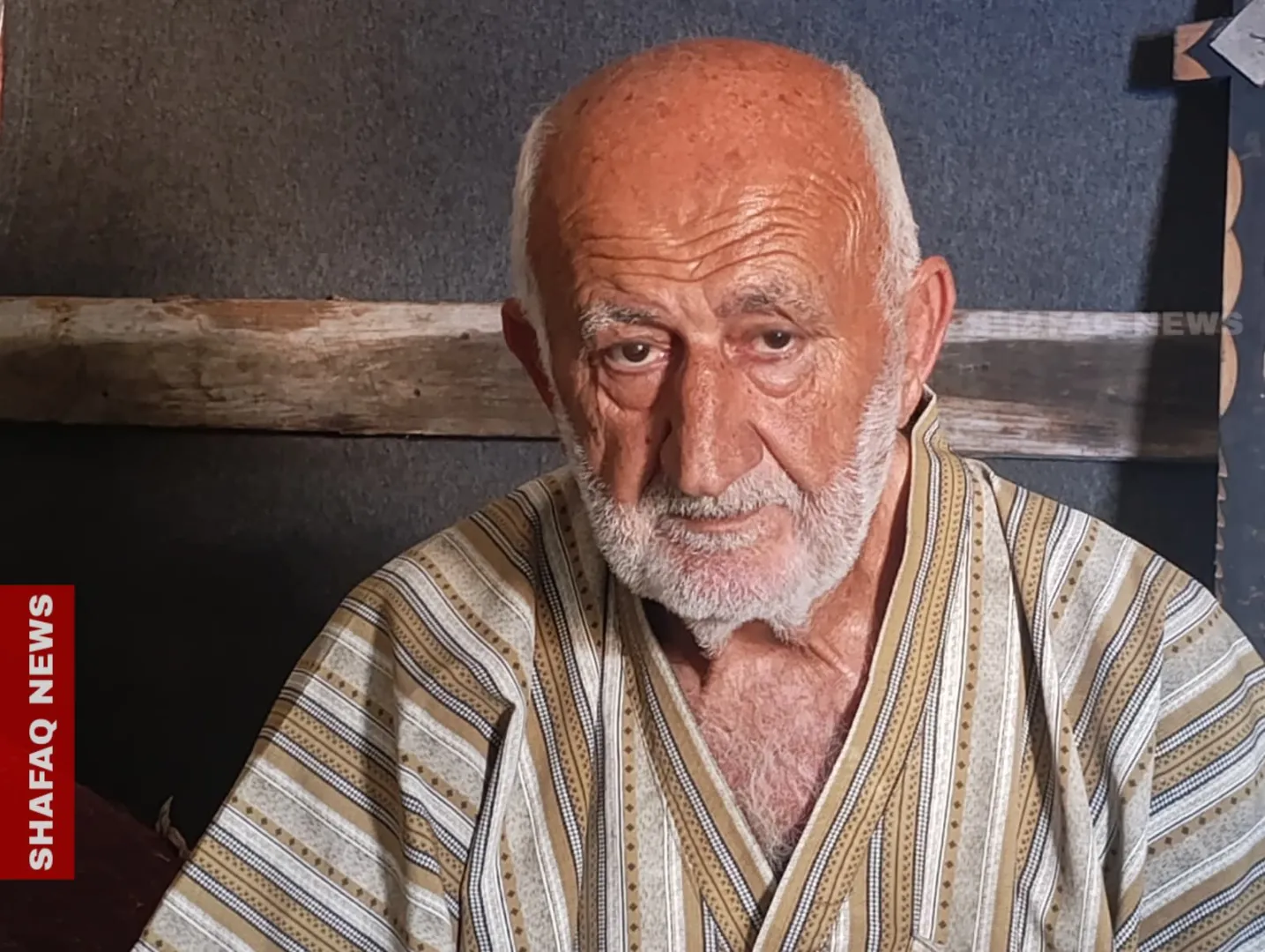
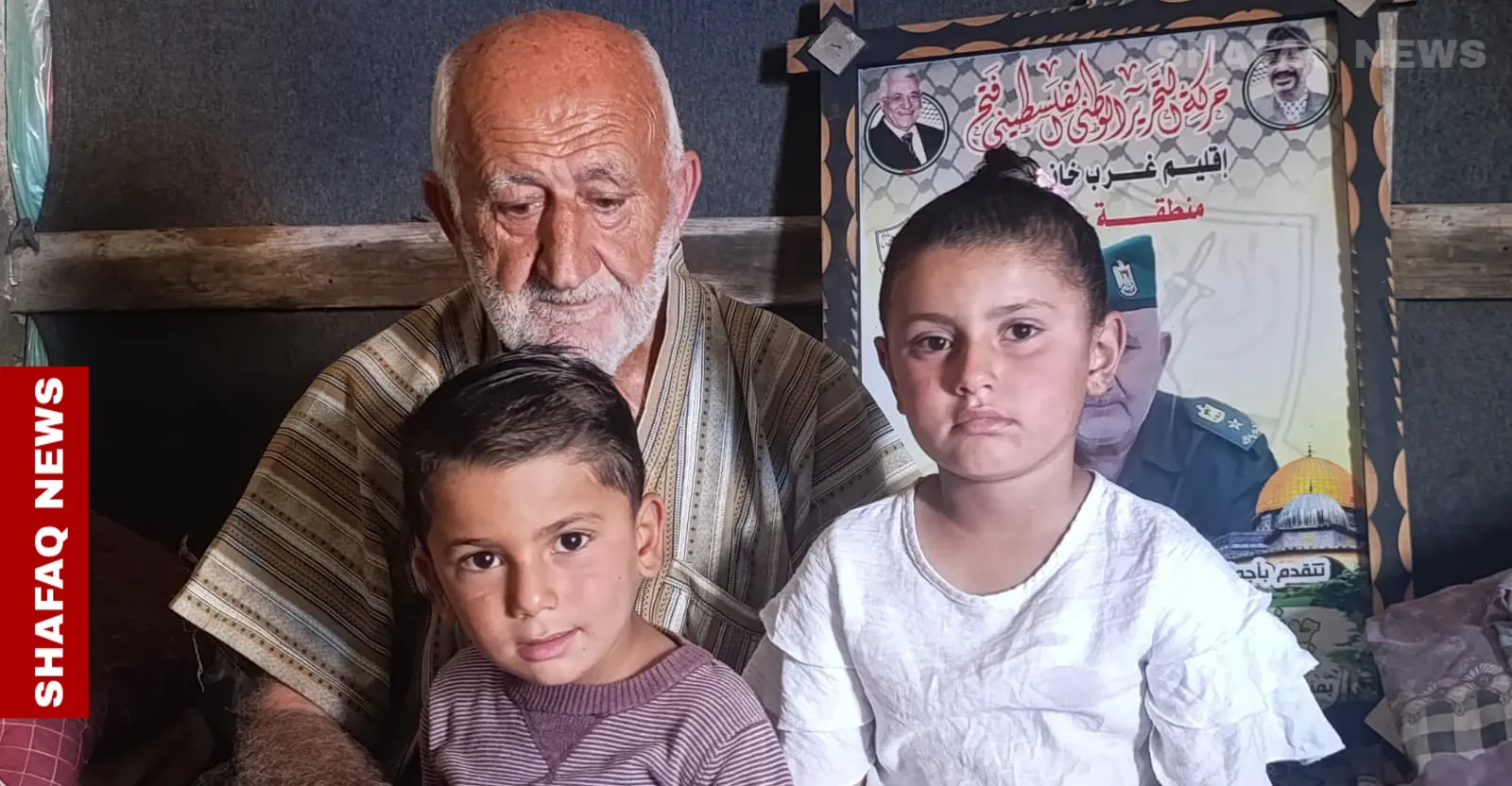
In the rubble of Gaza, few stories resonate like that of Jaafar Khalil Kolan—a Kurdish man who has lived in the besieged enclave since 1995.
In an interview with Shafaq News, Kolan recounted his journey from al-Malikiyah (Derik) in Syria’s Hasakah province to Gaza, shaped by childhood displacement, political activism, and decades of resilience. After fleeing the war in Syria, he settled in Duhok in the Kurdistan Region of Iraq.
“My brother runs a bakery in Duhok, and my sisters live there too,” he recalled, identifying with the Koçer tribe.
Describing his political upbringing as deeply shaped by his father, who was a companion of Kurdish Leader Mullah Mustafa Barzani, Kolan said, “I was raised on principles of struggle and Kurdish national identity from an early age.”
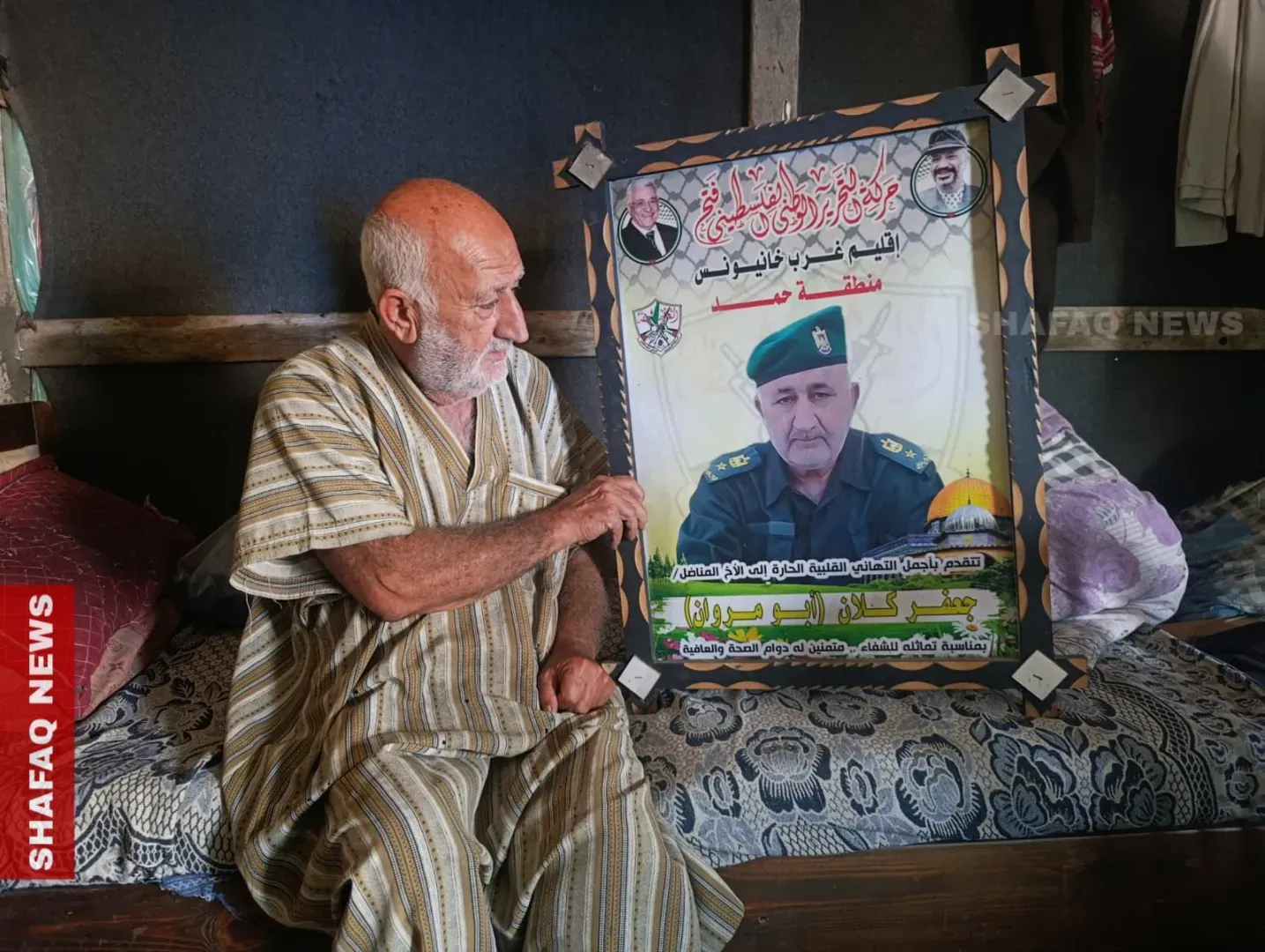
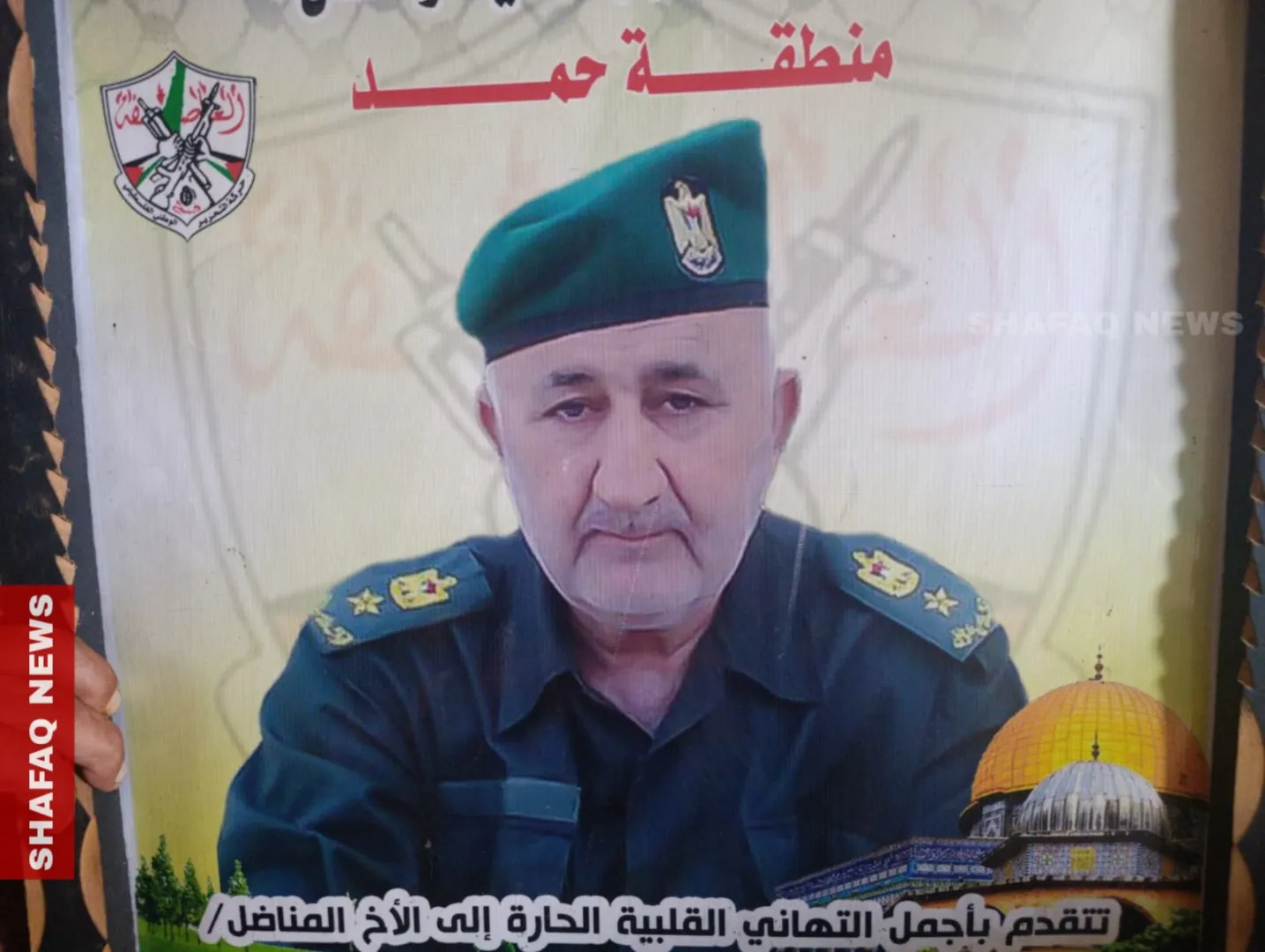
As a young man, he joined Kurdish political movements before aligning with the Palestine Liberation Organization (PLO), which took him to Algeria in 1982. He noted that in 1995, he entered Gaza with PLO personnel, receiving a Palestinian national identification number. “All my family members carry Palestinian IDs.”
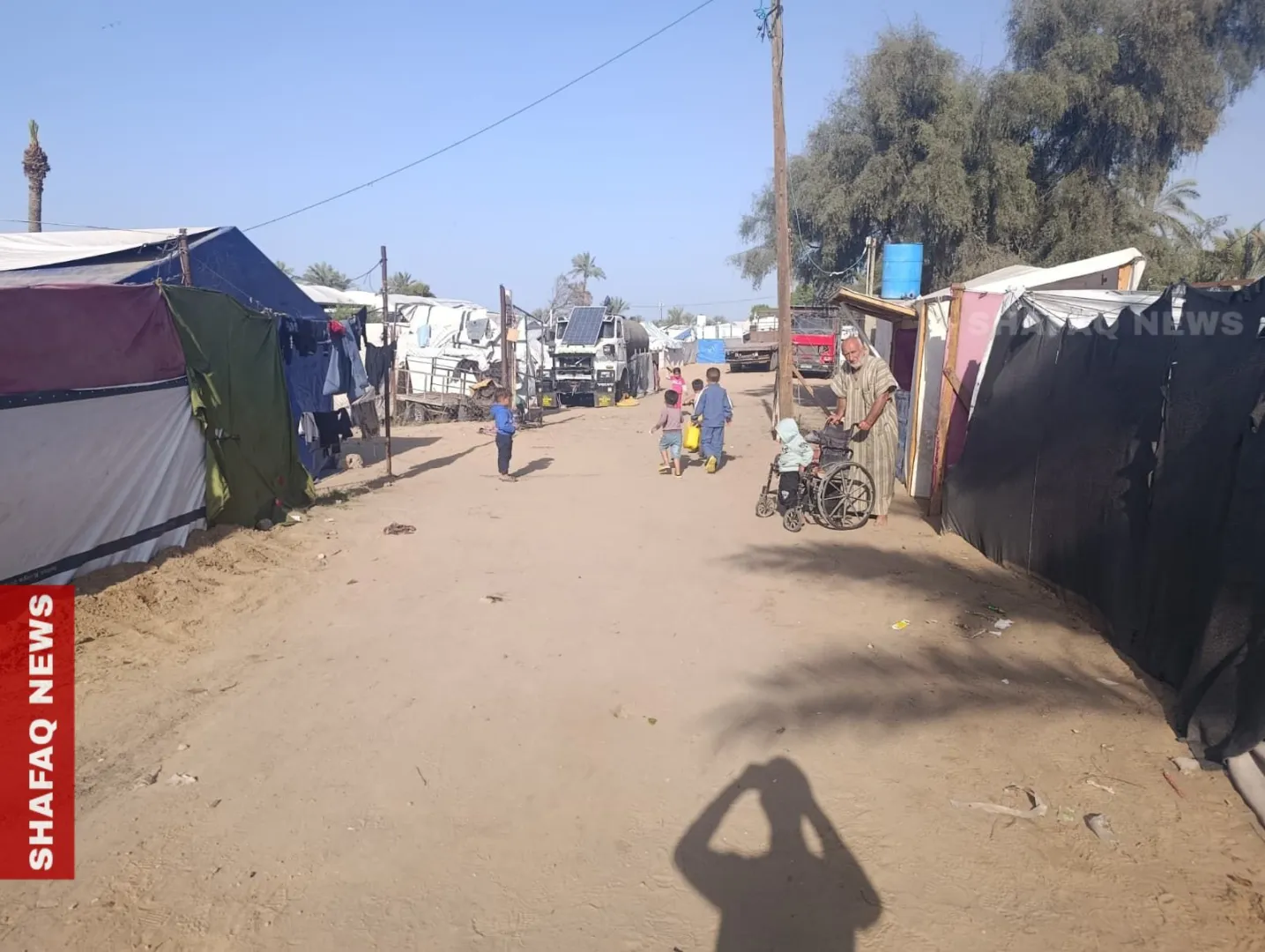
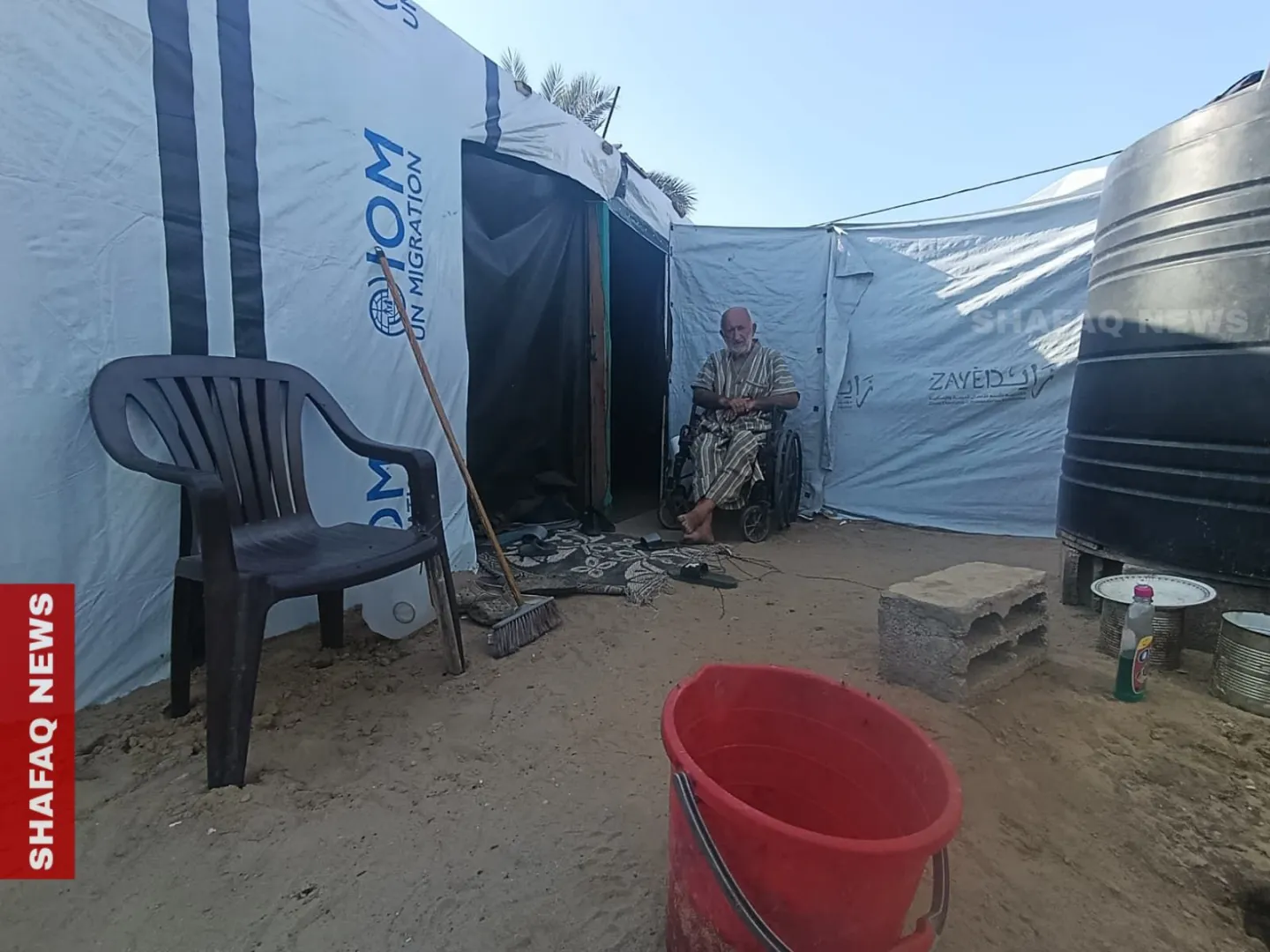
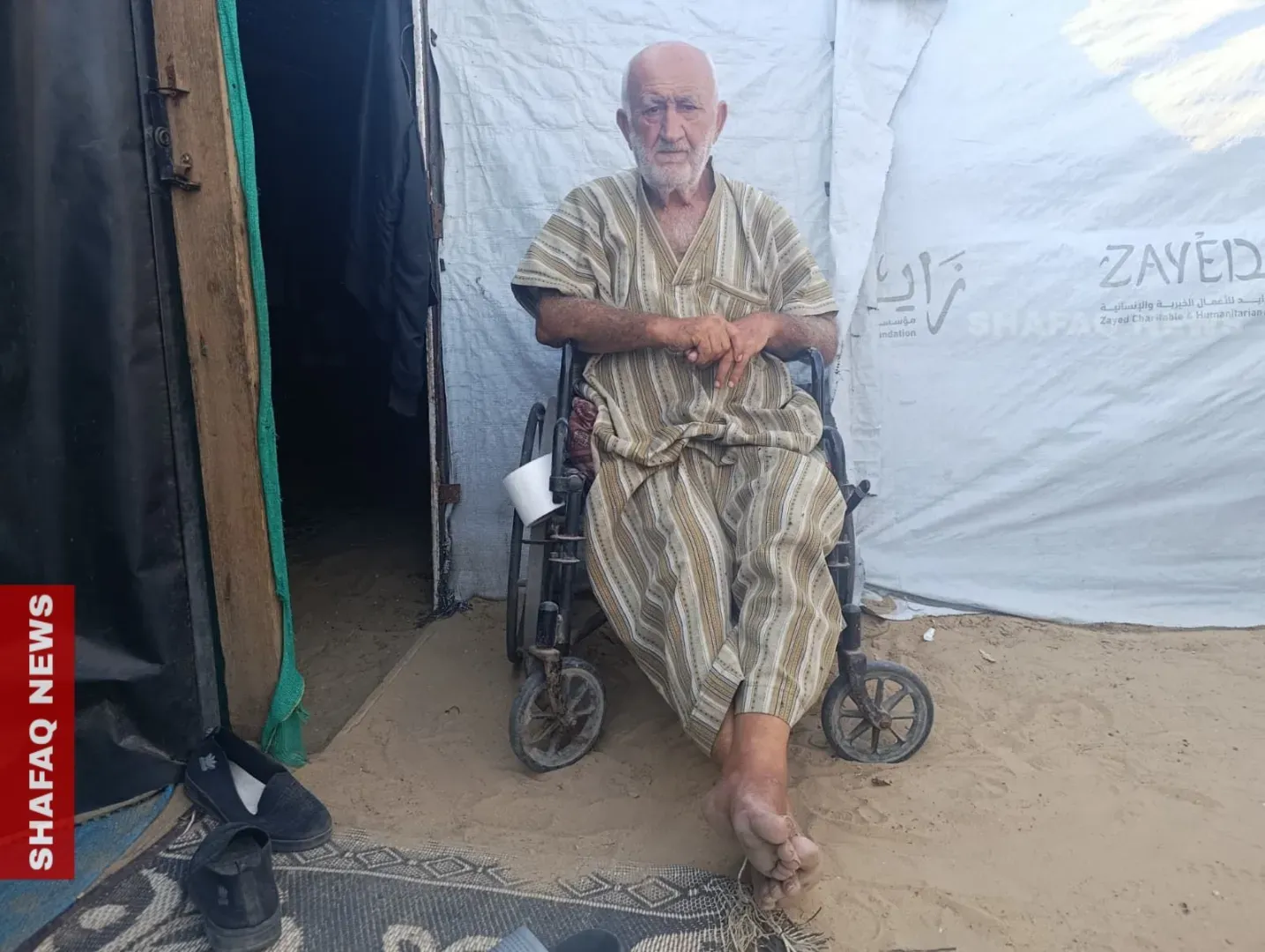
Kolan’s home was destroyed in the first week of the war, which has killed 69,756 Palestinians since October 7, 2023. He has since moved between Rafah and Nuseirat, losing relatives and enduring disability, hunger, and lack of medical care after suffering a stroke. Still, he remains proud of his identity and life in Gaza, describing himself as a Kurdish ambassador and recalling the moment he was mistakenly declared dead and placed in a morgue.
Read more: Gaza's spiral: Famine and conflict lead to irreversible collapse
Today, Kolan longs to return to the Kurdistan Region, lamenting, “I miss the homeland and my family. I want to speak Kurdish again and celebrate Nowruz with my brothers and sisters. I’ve spent forty years in exile. I hope to spend the rest of my life in Kurdistan and die there.”
He urged the Kurdish community to help facilitate his return, saying his only hope now lies in the reopening of border crossings and one final journey home.