KSDP criticizes US foreign policy, questions reliability as ally


Shafaq News– Al-Sulaymaniyah
The Kurdistan Democratic Socialist Party (KSDP) on Wednesday criticized US foreign policy, describing Washington as a “reckless dictatorial power” and an “unreliable ally,” amid mounting political tensions following remarks by US President Donald Trump opposing the nomination of State of Law Coalition (SLC) leader Nouri al-Maliki for the premiership.
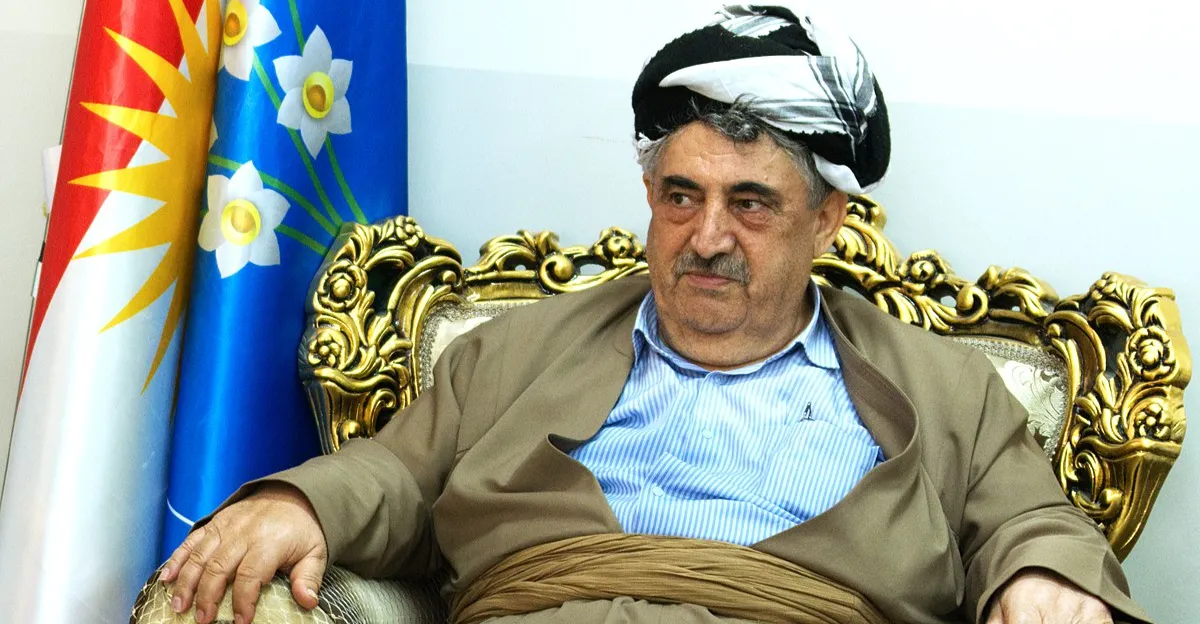
In a statement, party spokesperson Farhad Tawfiq said a review of US conduct shows that when Washington possesses the power and means, it “acts outside international law, principles, and human rights,” resorting to force and imposing its will within sovereign states, including interference in internal affairs and the removal or targeting of political leaders.
Tawfiq said the United States has played a central role in fueling conflicts and wars, citing Afghanistan, the Russia–Ukraine war, the Israeli war in Gaza, tensions with Iran during negotiation tracks, the war in Yemen, and ongoing instability in Iraq and Syria.
He added that a defining feature of US policy is “reneging on commitments and abandoning allies,” arguing that Washington frequently shifts its positions when interests change, leaving partners to face consequences alone.
According to Tawfiq, the Kurdish people have been among those most affected by this approach, pointing to the abandonment of the Kurdish movement following the March 6 Algiers Agreement, the allowance of Iraqi government actions against Kurdish allies after the defeat of ISIS, and US positions related to Syrian Kurdistan and forces that fought terrorism for years.
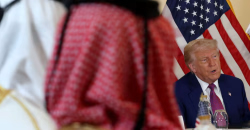
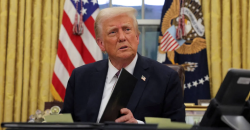
Trump triggered the backlash yesterday when he said Al-Maliki’s return to office “should not be allowed,” accusing him of presiding over a period in which Iraq “slid into poverty and chaos.” He warned that Washington would halt assistance if al-Maliki were re-elected, arguing it would undermine Iraq’s chances for “success, prosperity, or freedom.”
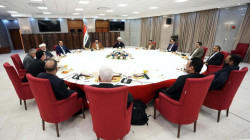
Earlier on Wednesday, Shiite parties within Iraq’s Coordination Framework (CF), the largest parliamentary bloc and one that includes Al-Maliki’s SLC, reiterated their rejection of any external interference in the country’s political process. It announced on January 24 that it had nominated al-Maliki to form the next government, setting off a renewed political standoff as reactions continue to mount.
Read more: Nouri Al-Maliki’s return rekindles Iraq’s divisions as Iran and the US pull apart