KRG tightens fire safety standards


Shafaq News- Erbil
The Kurdistan Regional Government (KRG) has strengthened fire safety rules for buildings, fuel stations, and gas installations amid rapid urban growth, the expansion of high-rise facilities, and the growing number of sites handling flammable substances.
The updated framework, prepared by the Ministry of Interior, sets out technical requirements for the design, construction, and operation of residential, commercial, industrial, and service facilities. It draws on international standards from the US National Fire Protection Association (NFPA), the British Standards Institution (BSI), and European (EN) standards.
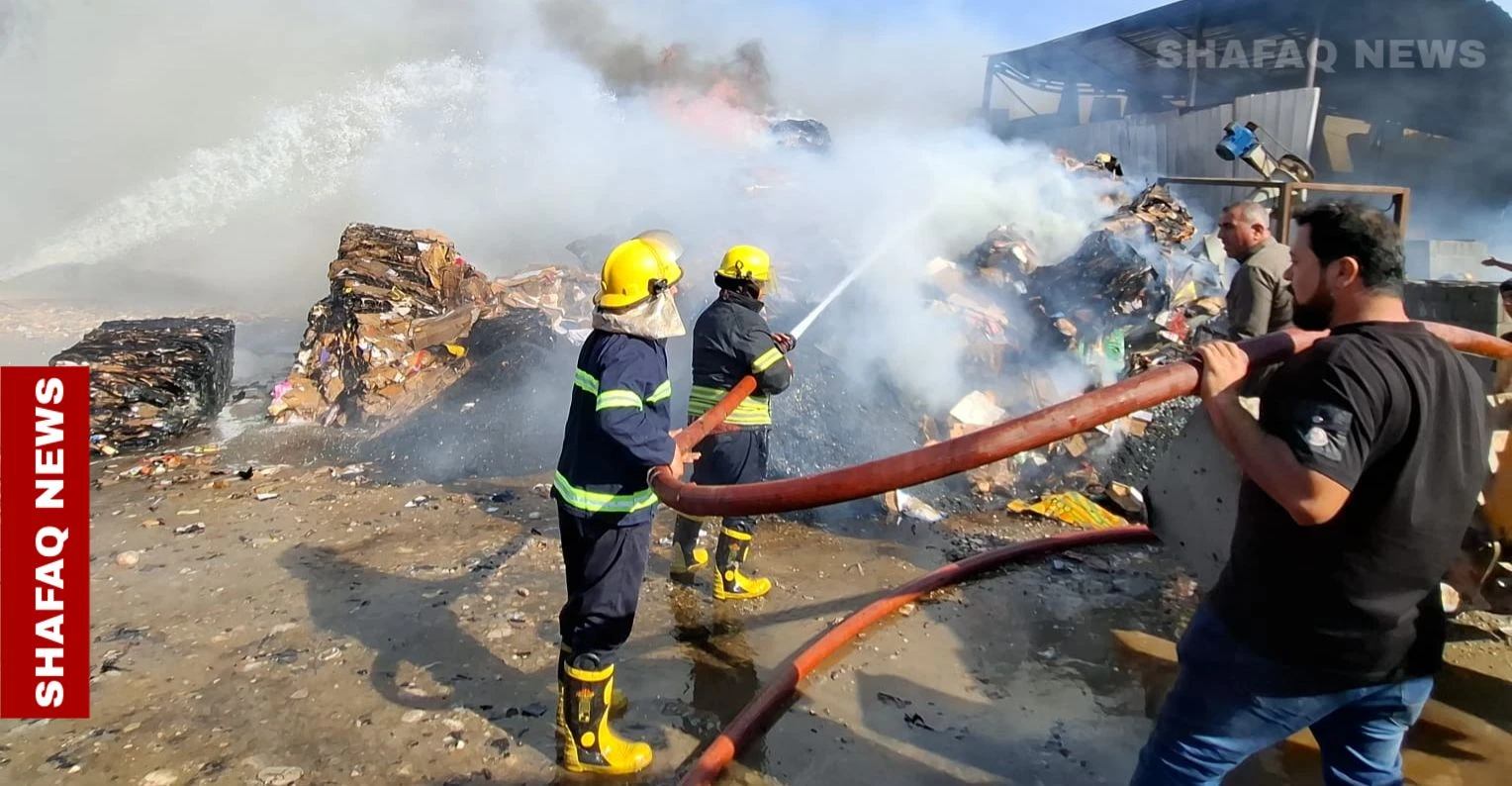
The measures come amid a surge in fire incidents. Nearly 700 fires have been recorded in Erbil, the capital of the Kurdistan Region of Iraq, since the beginning of the year, including 87 vehicle fires. Earlier this week, a massive blaze tore through a fuel depot in Tanjaro, Al-Sulaymaniyah, burning more than three million liters of gasoline and injuring 22 people. More than 30 tankers were also destroyed, including over 25 carrying gasoline.
According to the KRG media office, the seven-volume framework covers building fire protection, fire suppression systems, fire detection and early warning, fuel station construction, liquefied petroleum gas systems at industrial sites, gas systems at residential and commercial properties, and the transport of hazardous materials.
For buildings, the regulations establish standards for emergency exits, including their number and distribution, along with fire-resistant construction materials and systems for warning and evacuating occupants during emergencies. They also specify standards for automatic sprinklers, fire pumps, water tanks, and portable fire extinguishers. Each property must use equipment appropriate to its purpose and level of risk and undergo regular inspections and testing to ensure it remains ready for use.
Fire detection provisions call for modern technology capable of identifying smoke and flames and connecting alarms to control centers. The rules apply in particular to schools, hospitals, government institutions, shopping centers and other locations where large numbers of people gather.
Fuel stations will face standards covering site selection and safe distances from neighboring buildings, alongside fire protection, environmental and electrical safeguards. Operators will also need to maintain emergency response plans and train employees.
Separate provisions address liquefied petroleum gas systems at industrial properties and residential and commercial sites. They cover storage, ventilation, pipelines and tanks, along with inspection and maintenance procedures intended to prevent leaks and explosions.
The final section governs the transport of hazardous materials, including chemicals, flammable and explosive substances, and other harmful materials. It establishes requirements for classification, labeling, loading, transportation, storage, and emergency handling, while assigning responsibilities to the authorities involved in the process.