KRG bears burden as 400K displaced strain services


Shafaq News- Duhok
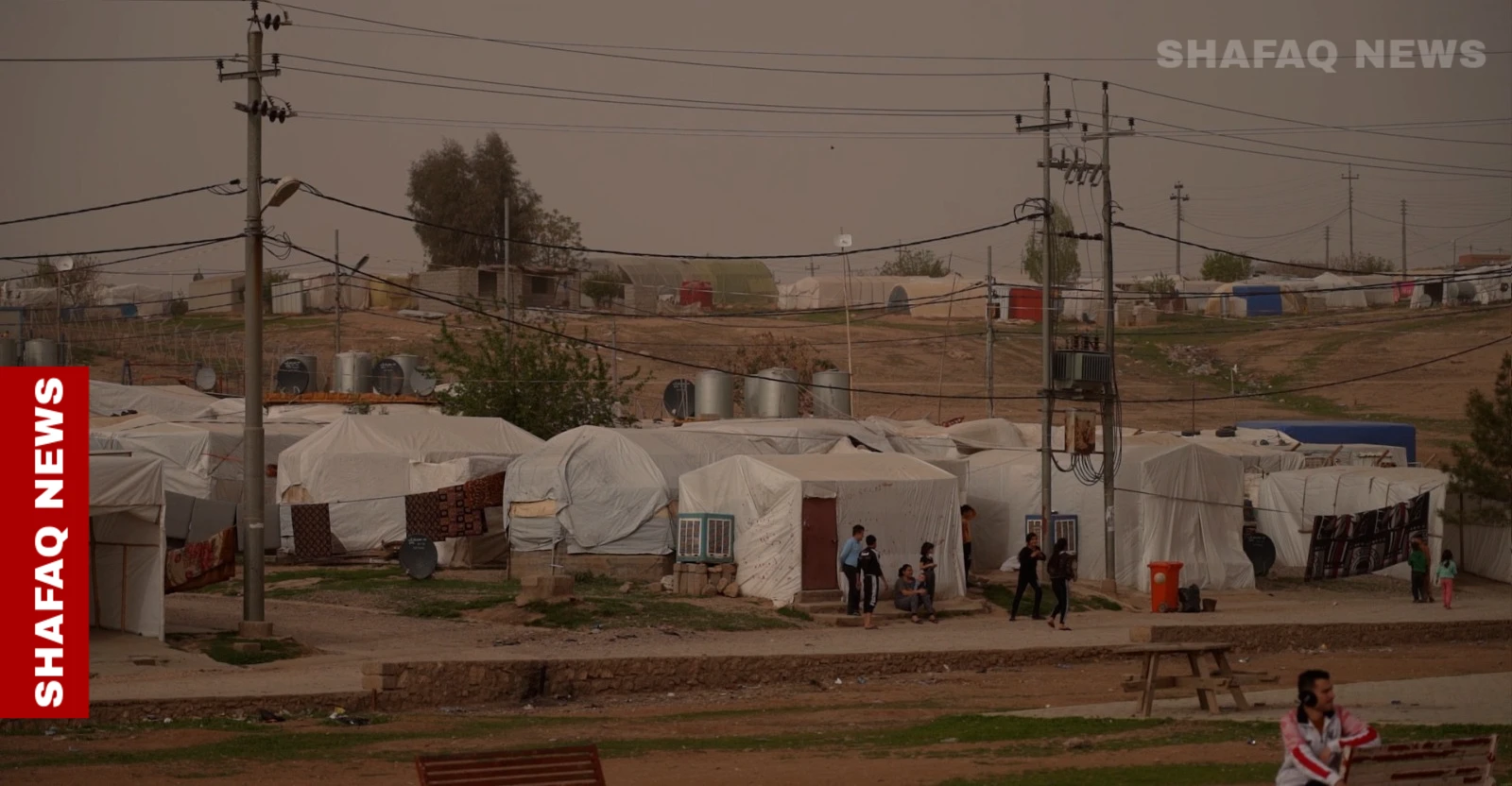
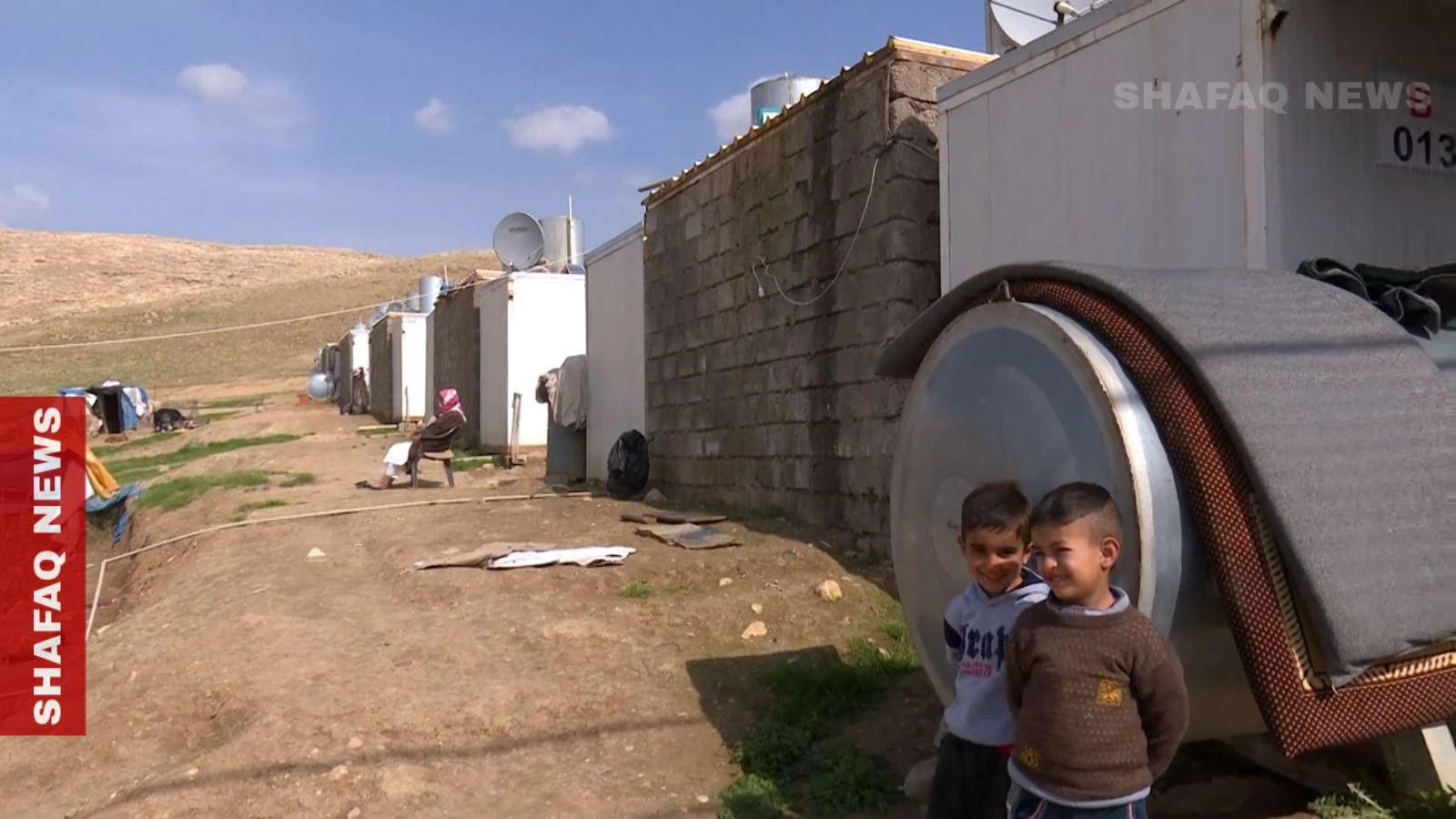
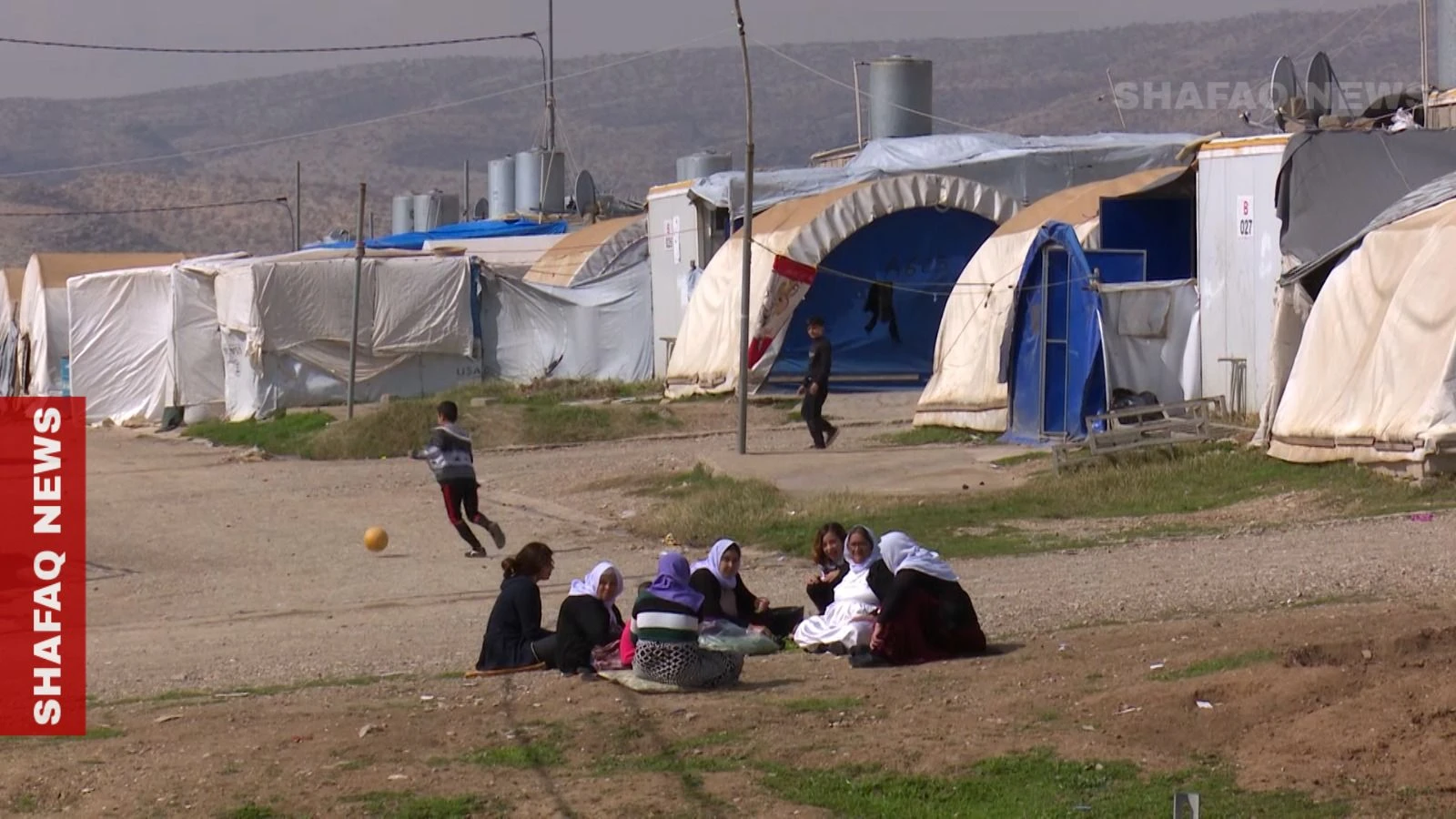
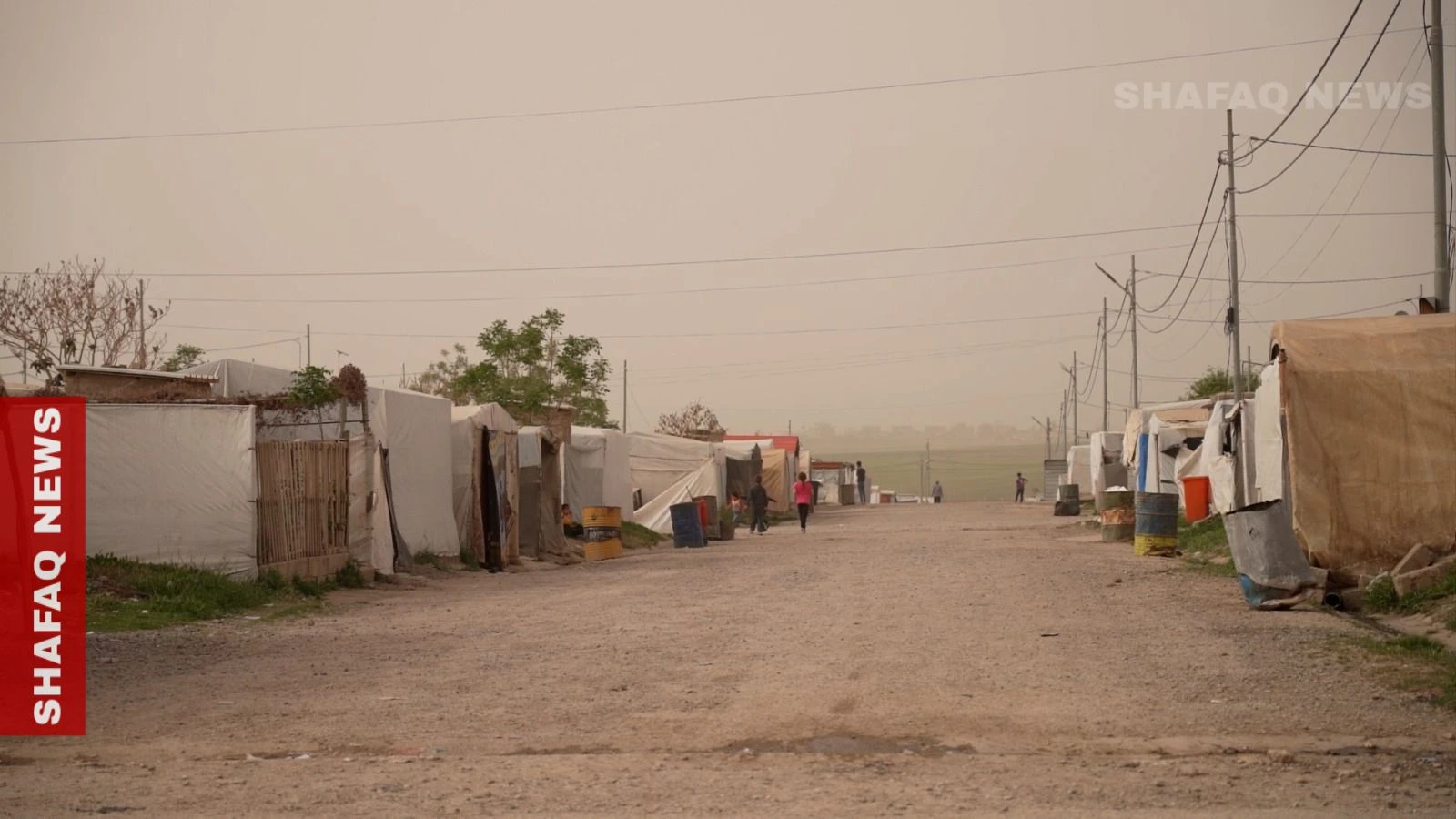
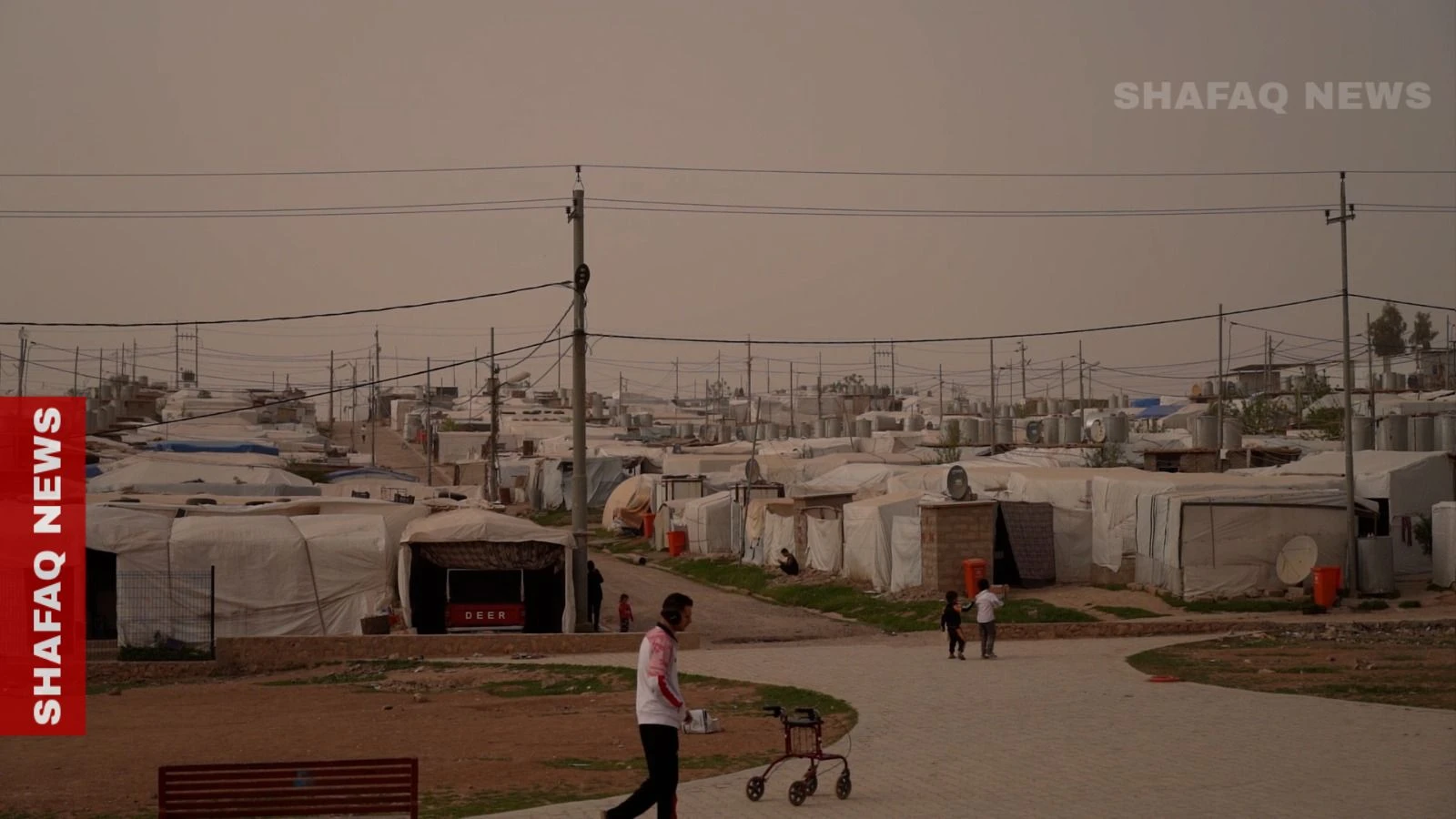
Around 400,000 displaced people and refugees remaining in Duhok since 2012 are placing significant economic and service pressures on the Kurdistan Regional Government (KRG), local officials and experts told Shafaq News on Saturday, citing declining international support and the absence of federal government involvement.
Diyan Jaafar, head of the Department of Migration and Displacement Affairs, indicated that waves of displaced people began arriving in 2012 with the outbreak of the Syrian conflict, increasing in 2014 following the rise of ISIS.
The large population poses major challenges to five key sectors, water, electricity, education, healthcare, and waste management, he noted, adding that “international organizations halted support for these services around four years ago, leaving the KRG to shoulder the burden despite ongoing financial strain.”
Many displaced people have remained in Duhok despite the liberation of areas such as Mosul, Tikrit, and Ramadi, a situation he attributed to the specific circumstances of Yazidis from Sinjar and refugees from Syrian Kurdistan.
Economic expert Kawa Abdulaziz said the population influx has had mixed effects, stimulating local markets, increasing demand for goods, and providing skilled labor in agriculture, while also contributing to higher unemployment among residents due to increased labor supply and competition for limited jobs.
Pressure on public services, particularly hospitals and electricity, has reduced access for local residents, he said, adding that both the federal government and international organizations have fallen short in meeting the needs of the displaced, leaving the Regional administration to bear the full responsibility.
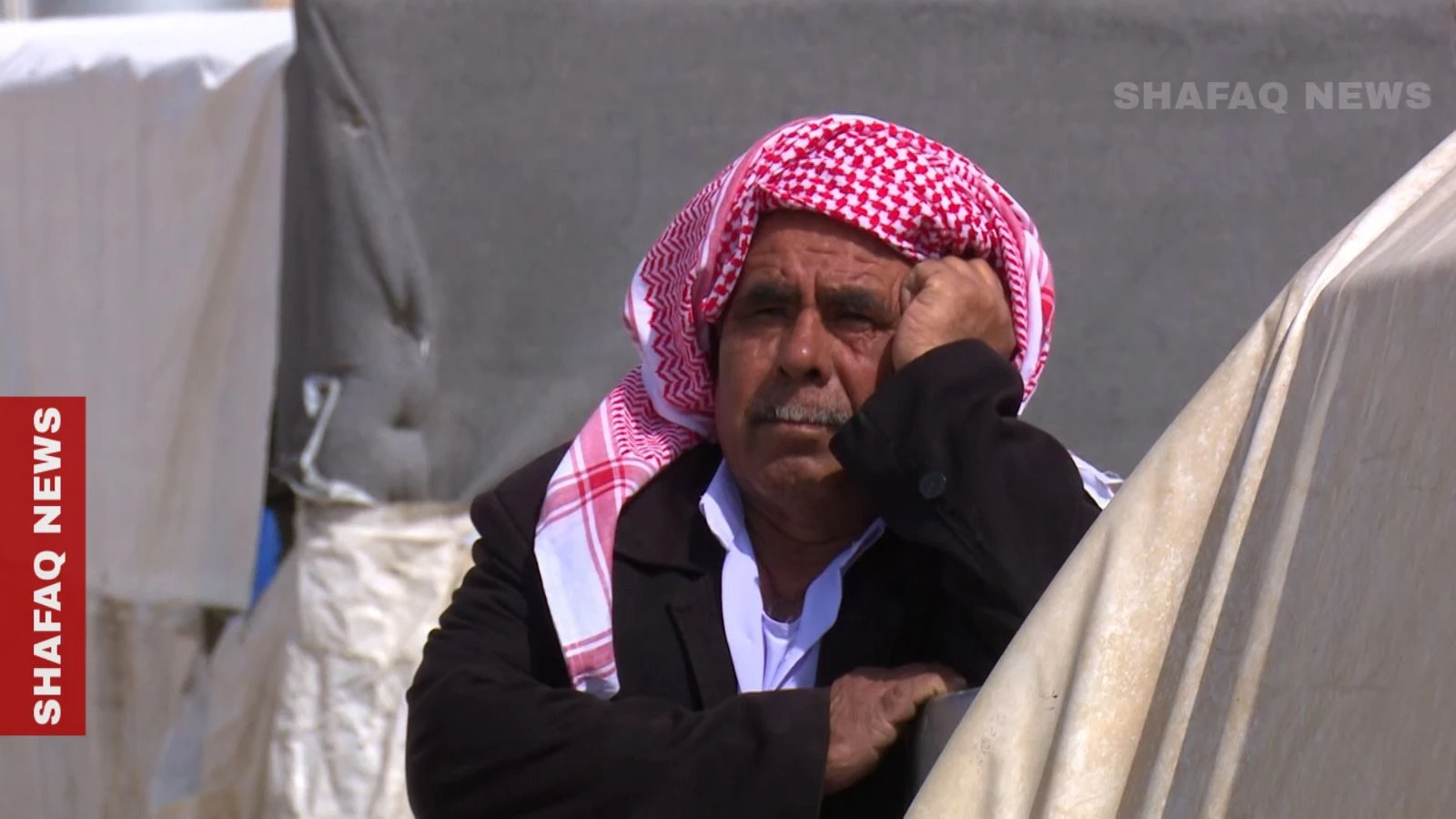
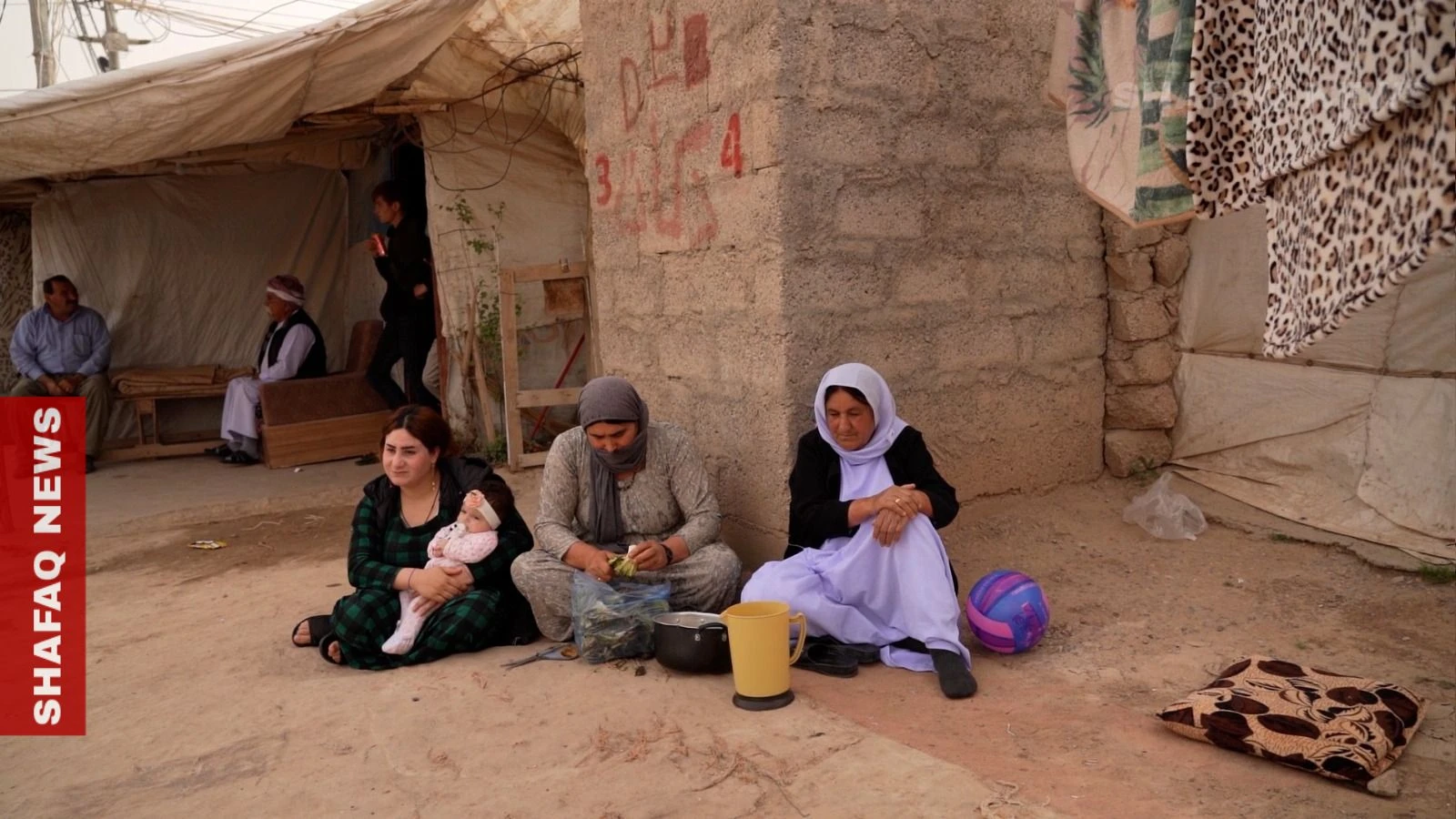
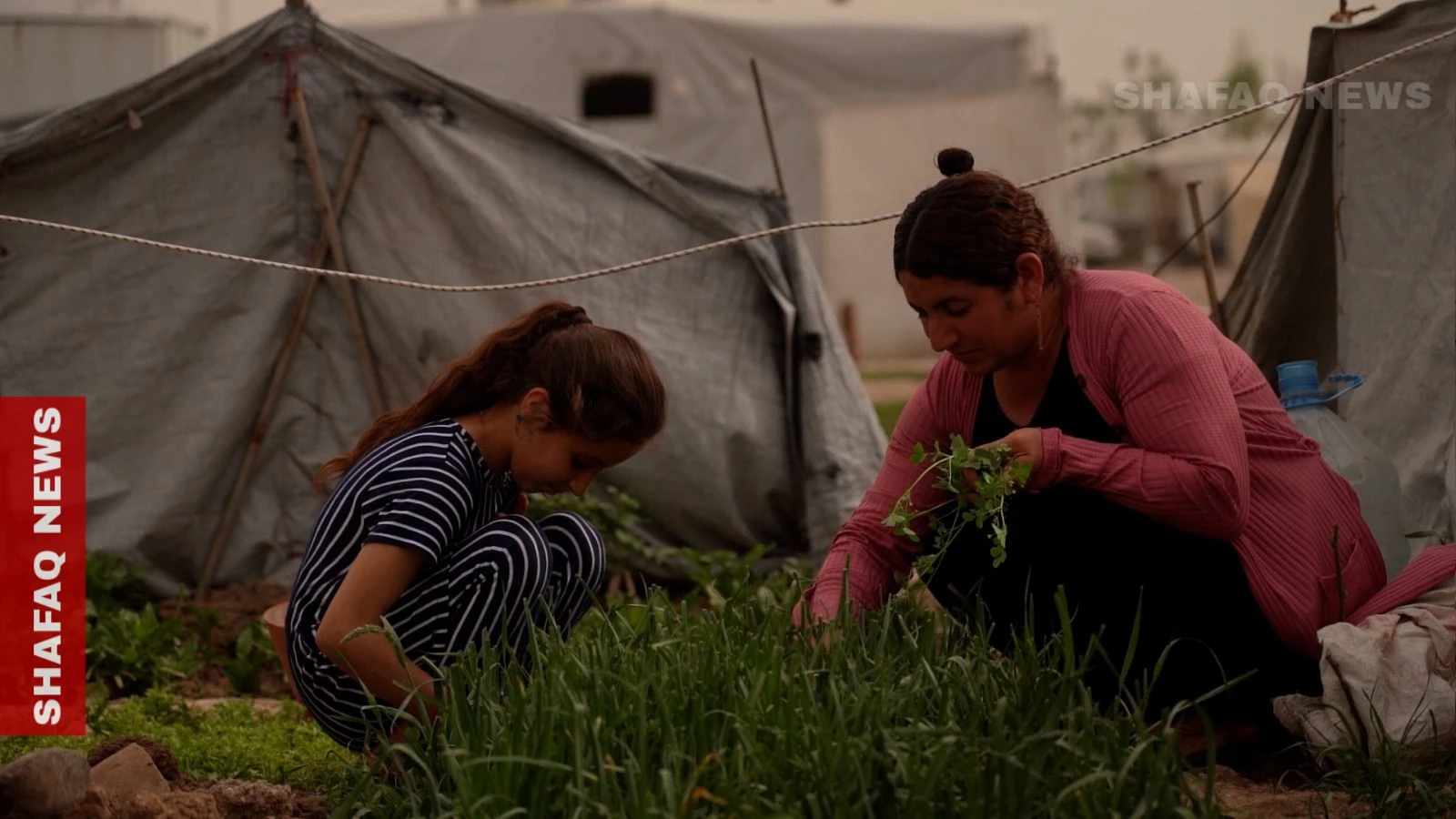
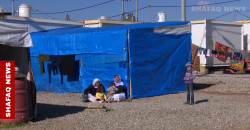
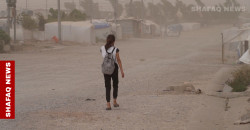
Inside the camps, displaced residents described ongoing hardship more than a decade after their arrival. Hatem Alou said humanitarian aid has become nearly nonexistent, aside from support provided by the KRG and the Barzani Charity Foundation (BCF), noting that young people are often forced to work for low wages that fail to meet basic needs.
Qasim Salman said prolonged displacement has left many feeling like a burden on the Kurdistan Region, expressing gratitude to local authorities and residents for their hospitality and security over the years, while emphasizing that many remain eager to return home once conditions allow.