Half a million names: A Kurdish researcher's archive against erasure


Shafaq News
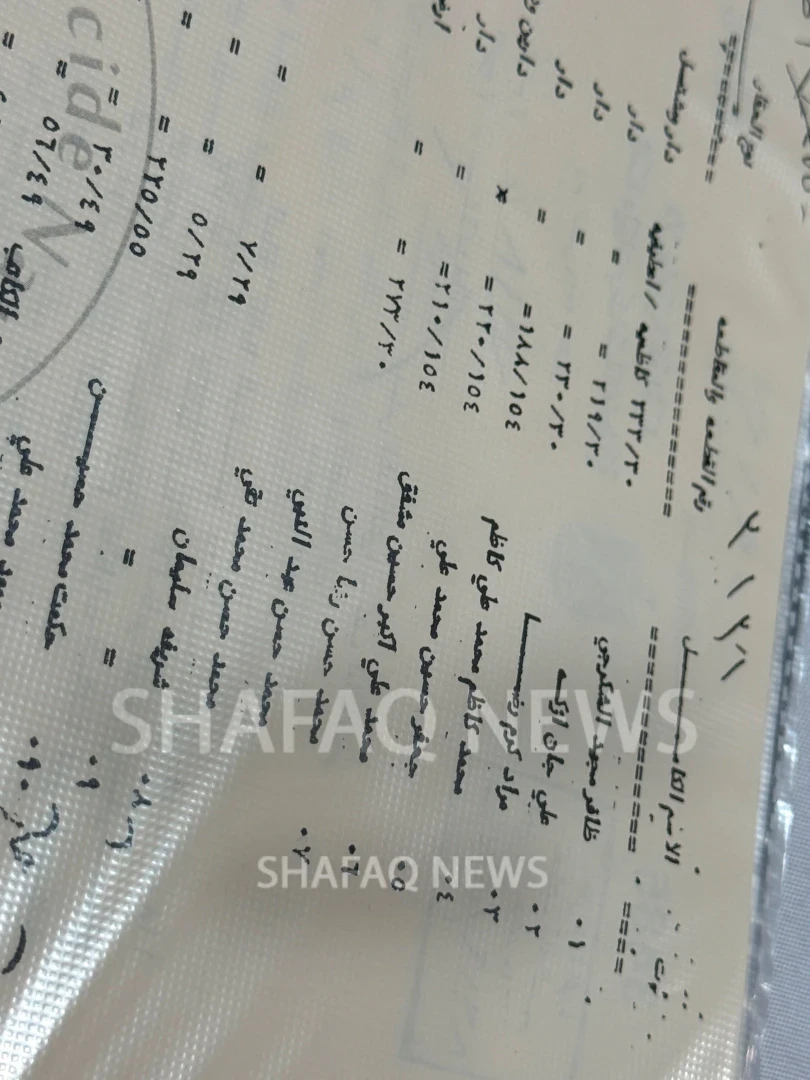
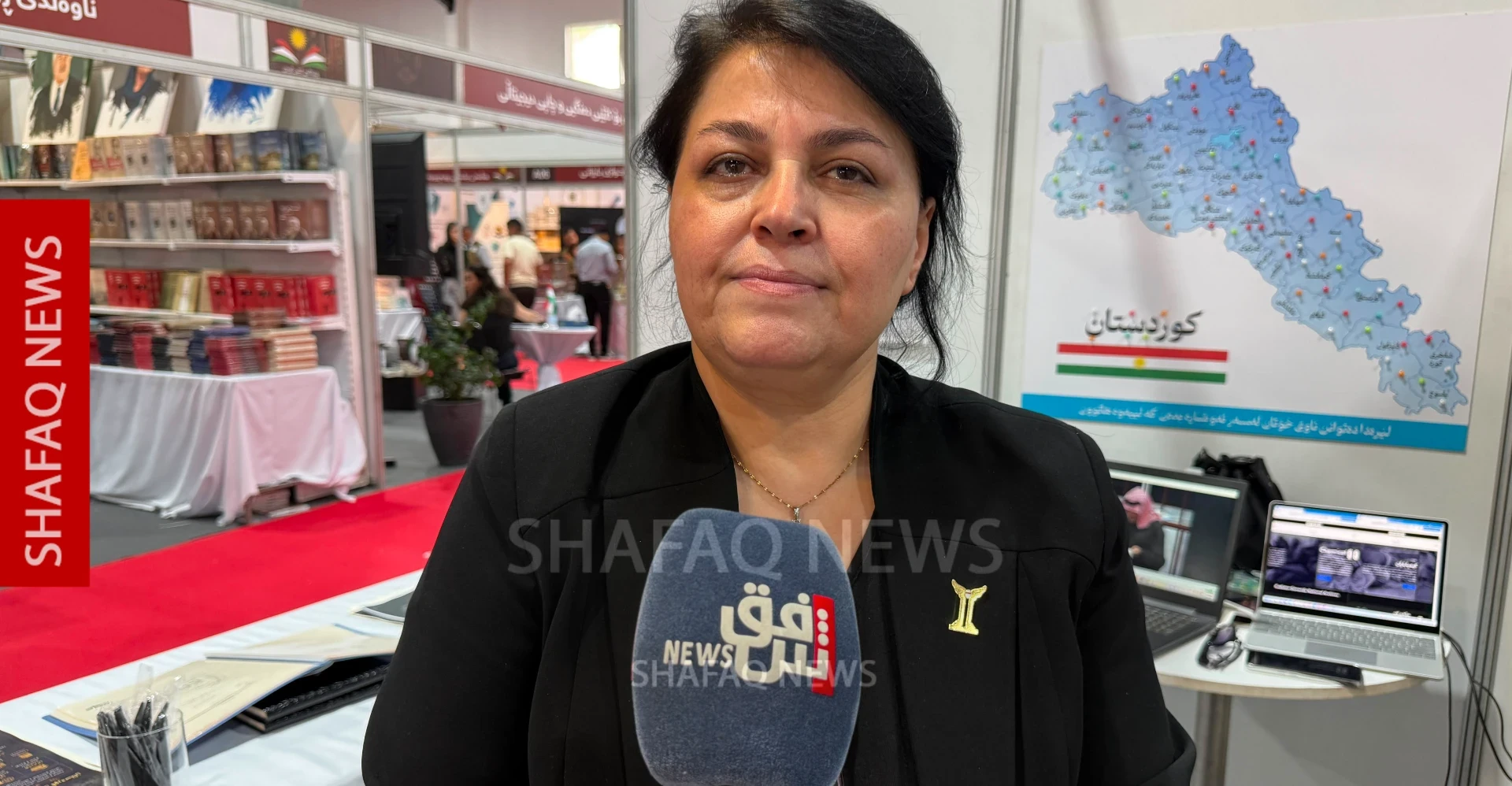
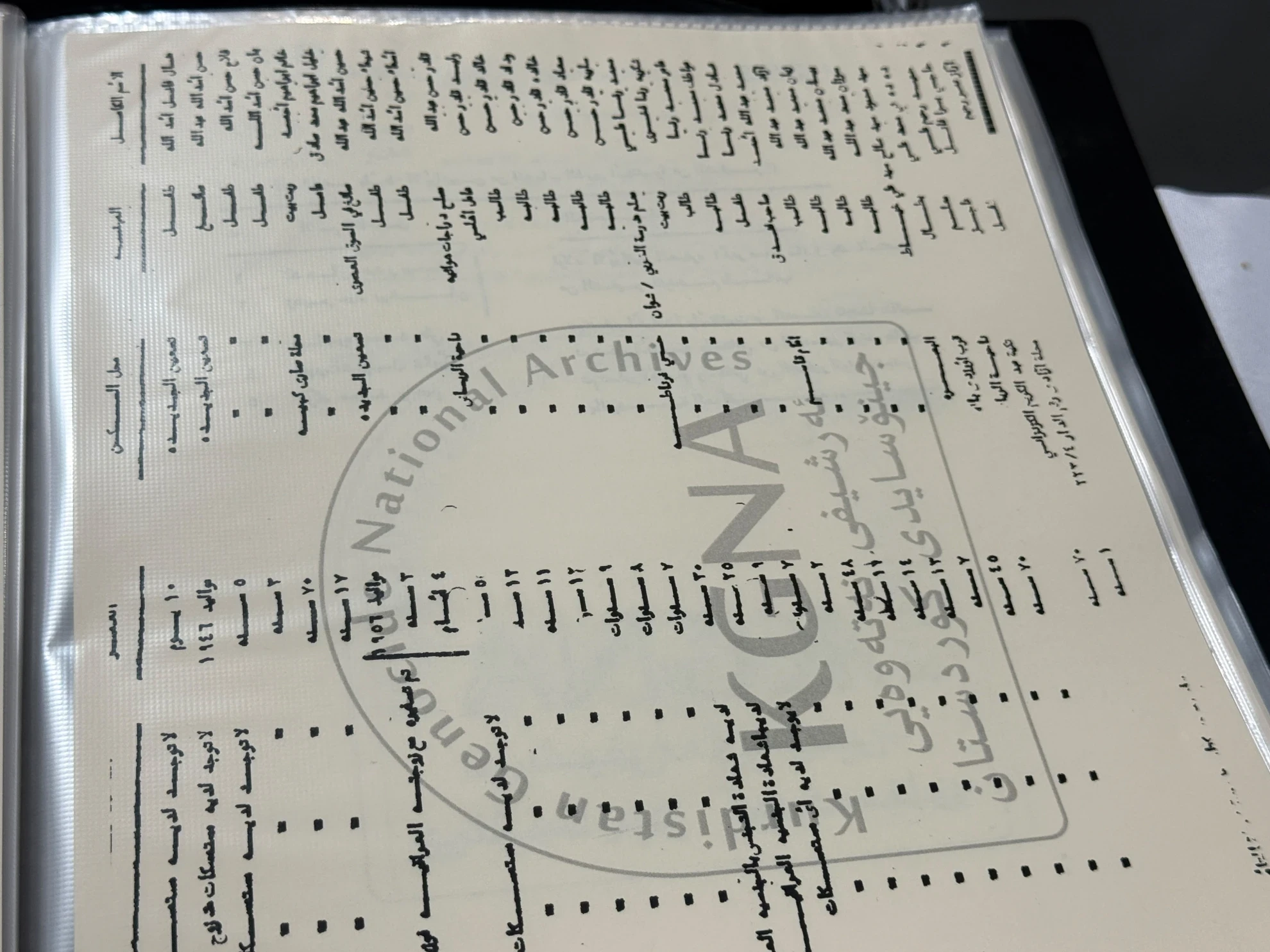
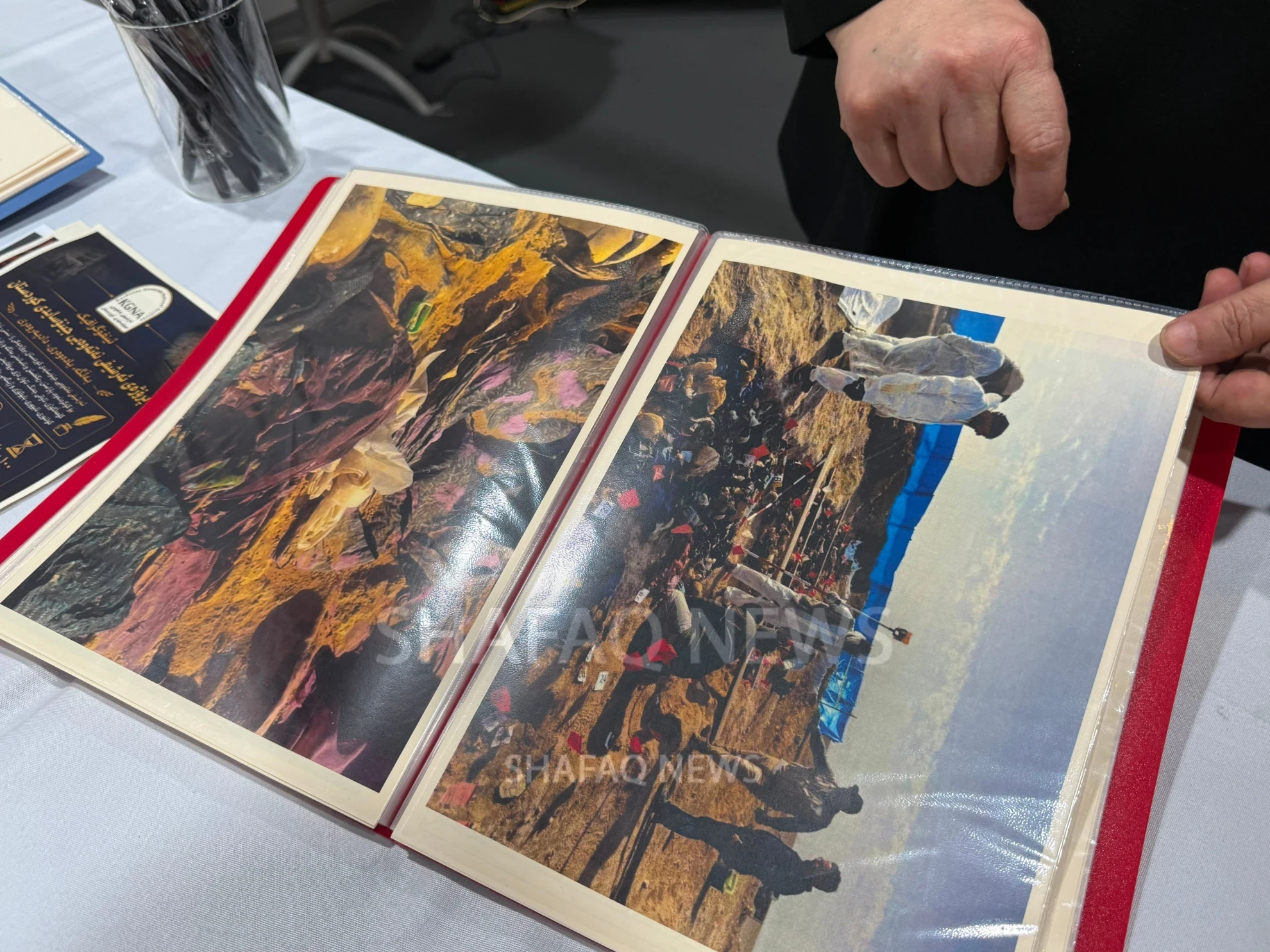
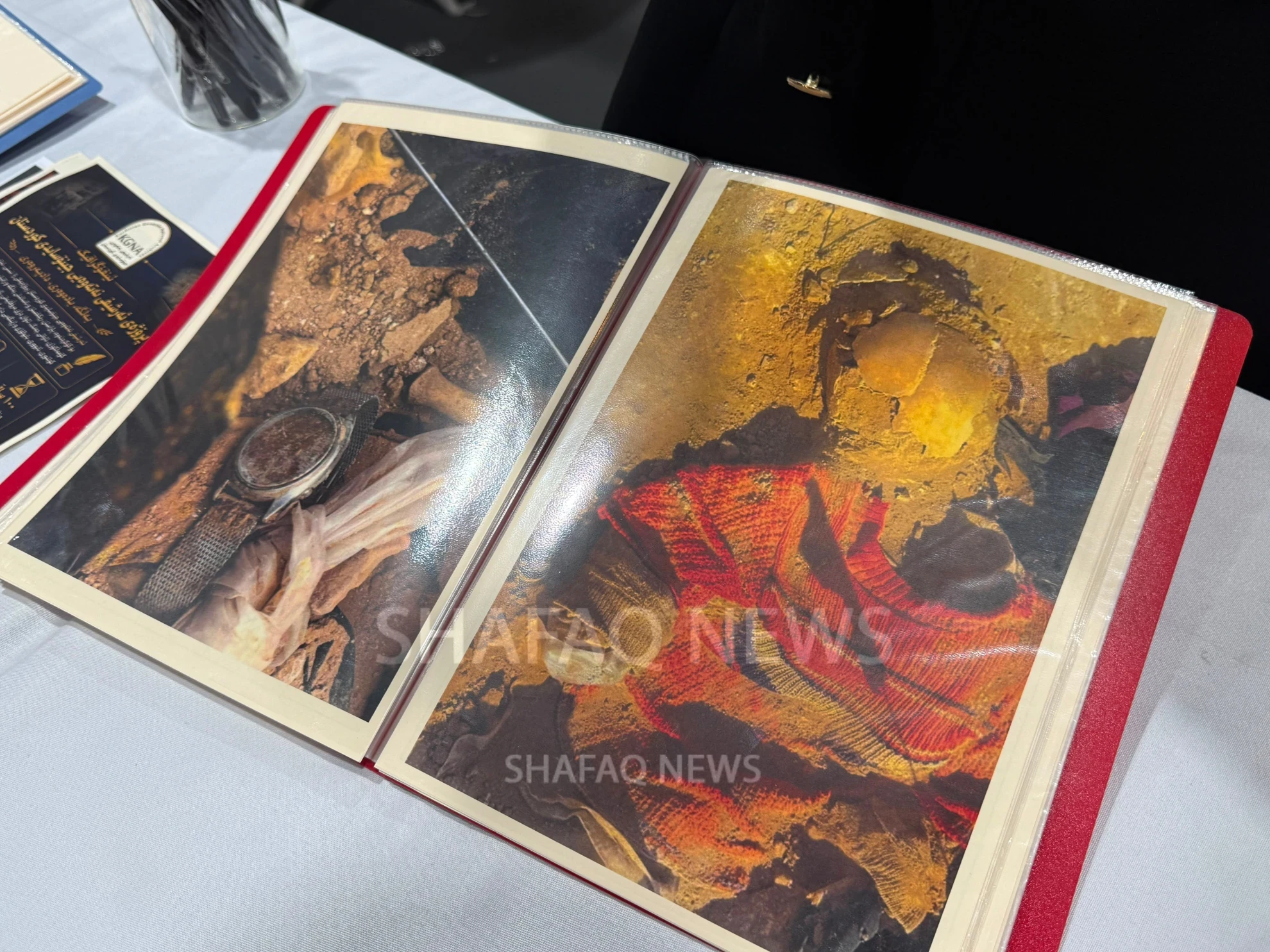
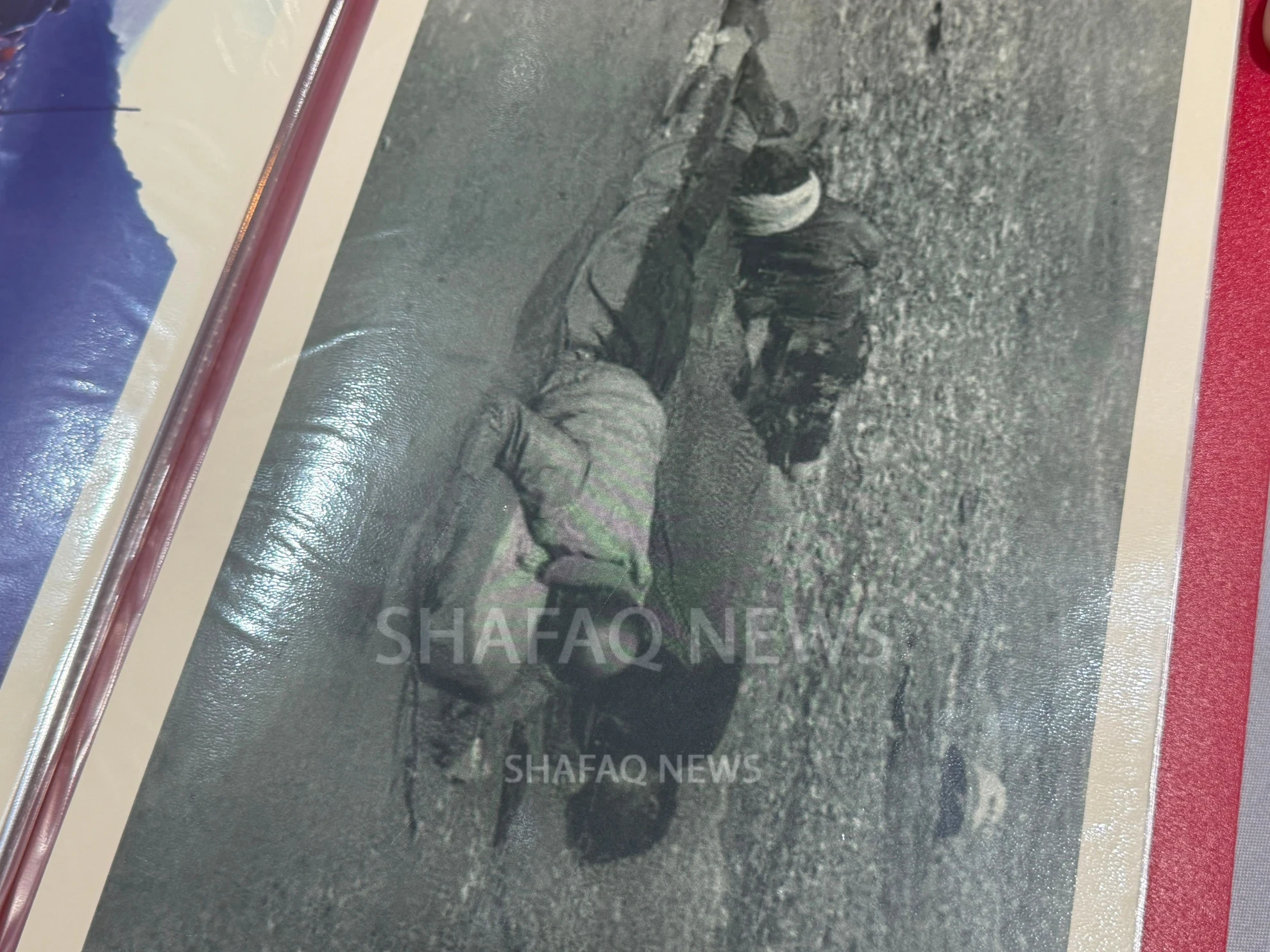
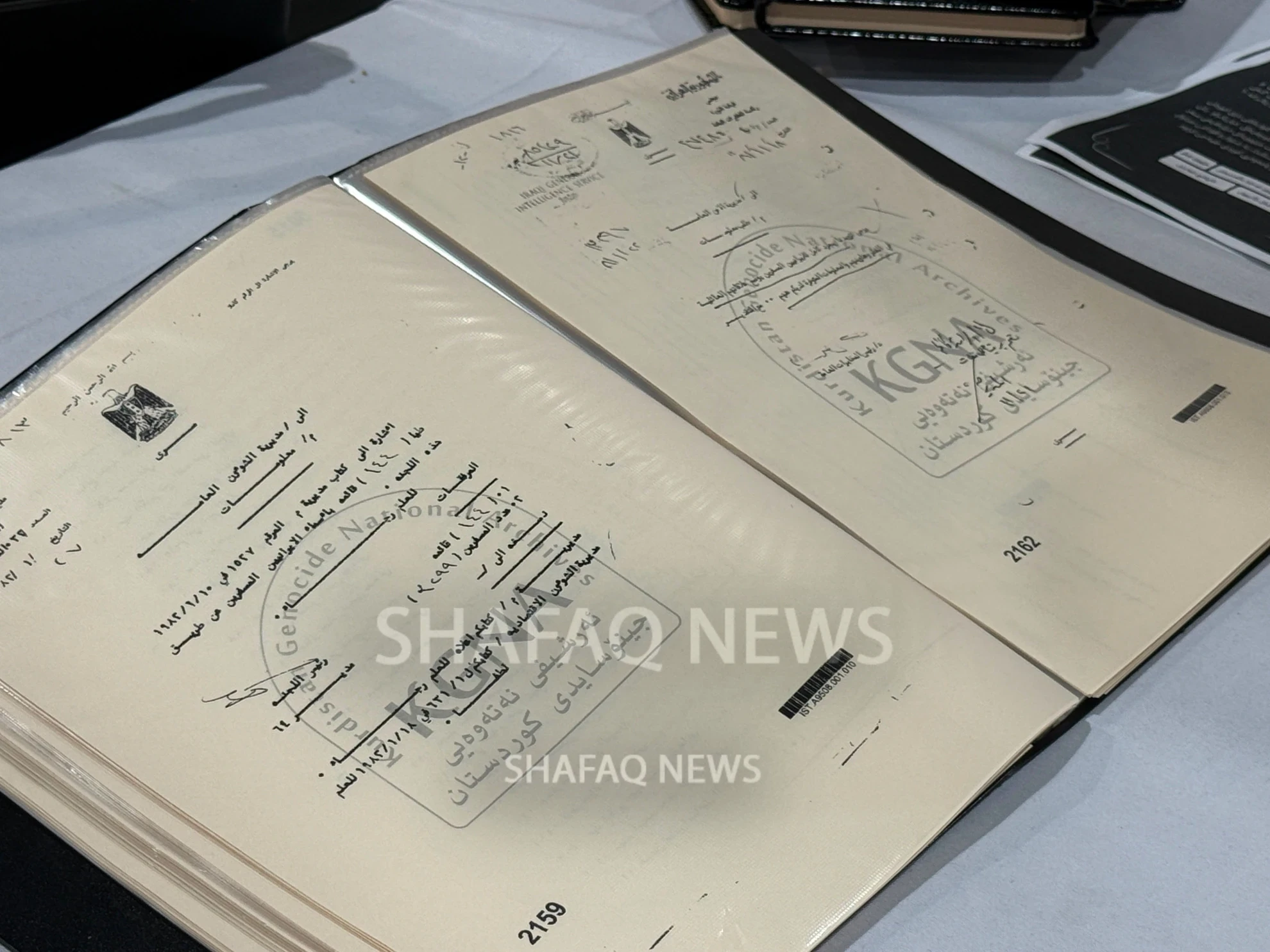
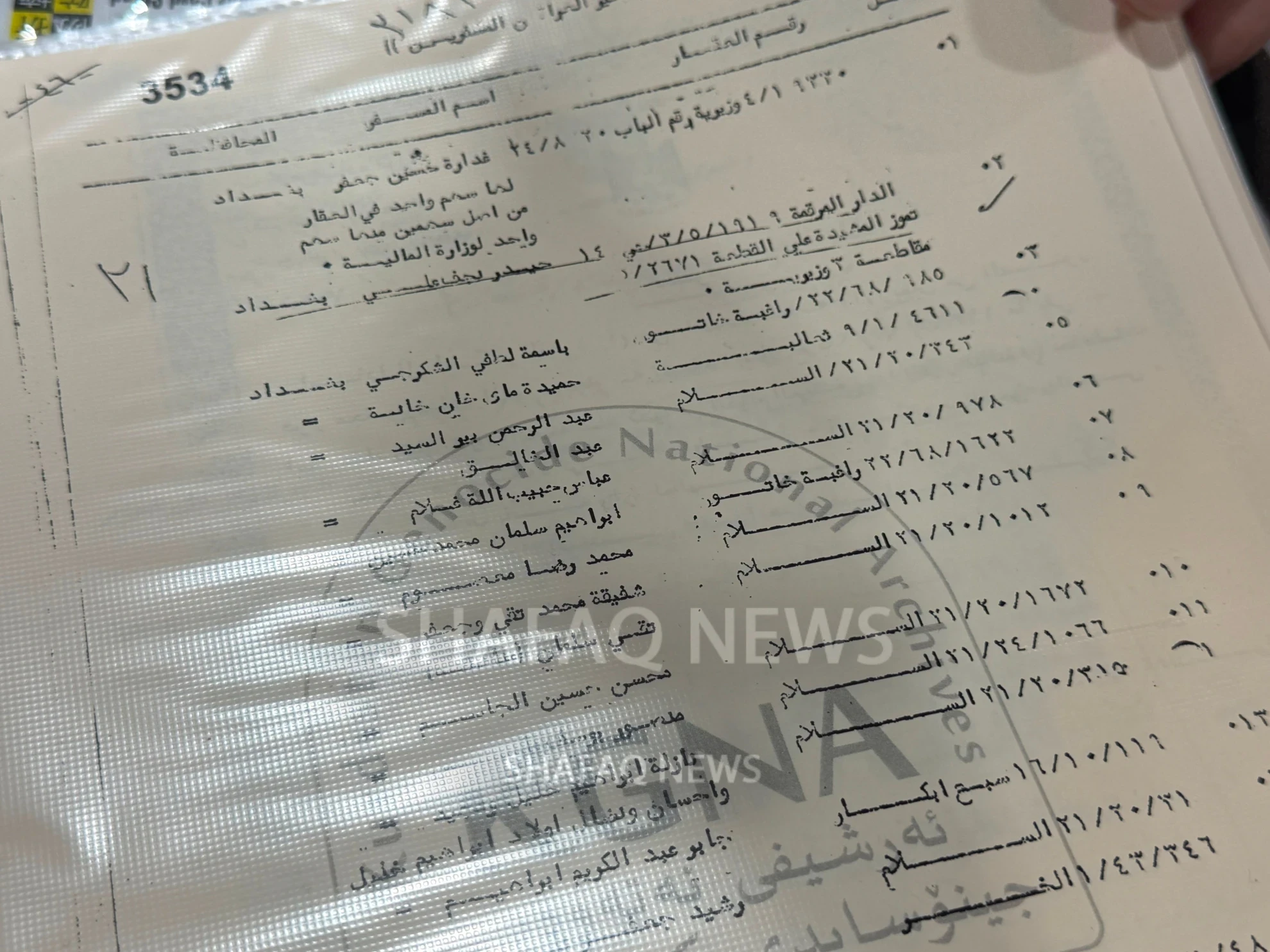
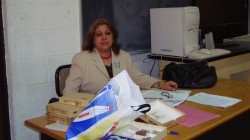
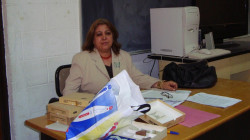
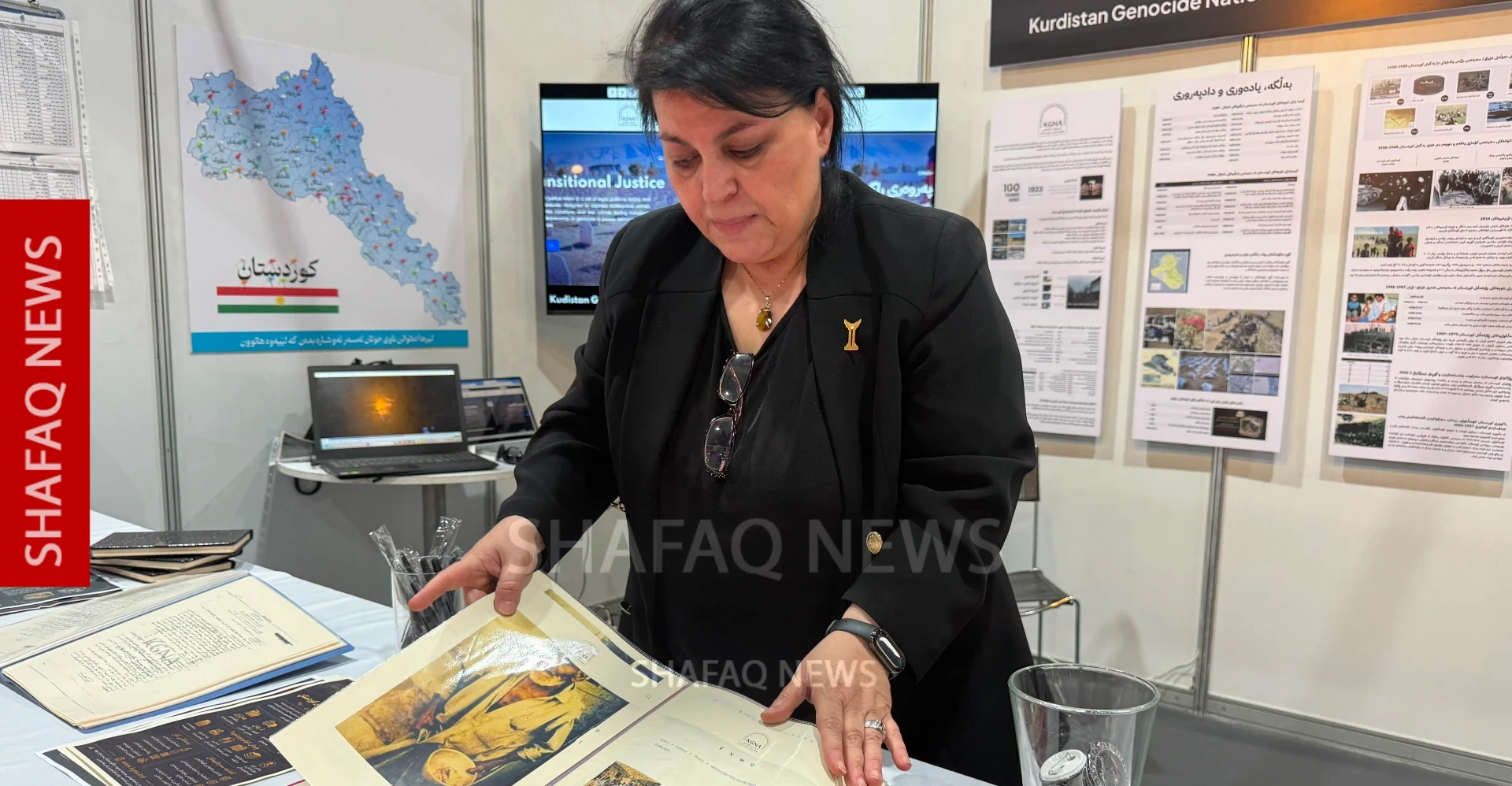
In a corner of the Kurdish Book Fair in Erbil, the documents laid out in front of Adalat Omar do not look like much: yellowed files, faded photographs, names broken off mid-record, which, to her, are the last surviving proof that a particular person was once here, in many cases standing in for a grave that was never marked. For three decades, the researcher has spent her days among such papers and among the unopened burial sites they point to.
By her count, the records add up to more than half a million Kurds killed, forcibly disappeared, or caught up in campaigns of repression, displacement, and confiscation in Iraq between 1968 and the fall of the former regime in 2003. The work, she told Shafaq News on the sidelines of the fair, long ago stopped being academic and became something nearer to guarding a collective memory at risk of being forgotten.
The dictatorships that ruled Iraq did not always work in the dark, Omar stated. Many of the crimes were set down in decisions, minutes, and administrative orders, which, in a harsh irony, turn the archive into both a witness to the crime and an instrument for pursuing its truth.
"This is a historical trust," she explained, gesturing to the documents in front of her. "They documented the crimes with precision, and today we are trying to reveal them to the world."
A Ledger of the Disappeared
At the front of those files, Omar places the Anfal campaigns, whose victims she puts at 182,000. Anfal, which targeted wide areas of Kurdistan through the 1980s, is regarded, in international human-rights assessments and later Iraqi court rulings, as one of the bloodiest chapters of mass violence in modern Iraqi history.
She stops at Halabja, which on March 16, 1988, became a global symbol of chemical weapons used against civilians. Around 5,000 people died in the chemical bombardment, she estimated, alongside thousands of wounded who carried its effects in their bodies and their families for years. What makes the file harder, by her account, is that parts of it remain sealed: 63 mass graves linked to Halabja have still not been opened, for fear of chemical residue or toxic material, leaving part of the truth held underground.
Among all the files, Omar describes the case of the Feyli Kurds as the most painful and the most tangled. Here, she emphasized, the tragedy is not only an order to deport or a wave of arrests, but an attempt to take apart an entire community, its citizenship, its money, its identity, its families, its memory.
The targeting peaked between 1980 and 1990, when displacement hardened into organized policy: roughly 750,000 people uprooted, the property of large families seized, and thousands of young men detained who have never been accounted for. One phase, she clarified, began with the arrest of about 400 Feyli Kurdish merchants and the confiscation of their money, driven by their economic weight in Baghdad. The regime also reached into the home, with measures that pushed couples toward divorce and separation in exchange for privileges or rewards.
Read more: Feyli Kurds: Decades of injustice vs. Iraq's struggle to reconcile with its past
The Feylis still have no clear graves for their dead. Drawing on testimonies and documents she has gathered, Omar said many of the disappeared were never placed in conventional mass graves, and that their traces were erased by other means –an account she presents as part of a body of testimony that a dedicated national center would need to review, classify, and verify. In many of these files, the grave is missing, and the document has had to stand in its place: the name becomes the trace, the photograph a last attempt to prove that someone was here.
That gap between the crime and its full acknowledgment, she argues, is what keeps the work unfinished. More than two decades after the fall of the former regime, Iraq has still not done enough on transitional justice: not all mass graves have been opened, the records have not been gathered into a single national archive, and victims have not consistently received recognition, compensation, or restitution. Iraqi courts convicted former regime officials of genocide over the Anfal campaign in 2007, and recognized the persecution of the Feyli Kurds as genocide in a 2010 court ruling that parliament endorsed in 2011.
Back at the fair, among the visitors and the stacked books, Omar's small stand looks less like an exhibit than a place to stand against a century of silence. Every document on the table is less a record than a cry; every name is not a number but a life taken from where it belonged. The gravest danger after a genocide, she said, is that the victims are left to become passing figures in a history book, or a seasonal memory, revived on anniversaries and then allowed to fade.