German-backed exhibition preserves Yazidi memory in Qamishli


Shafaq News- Qamishli
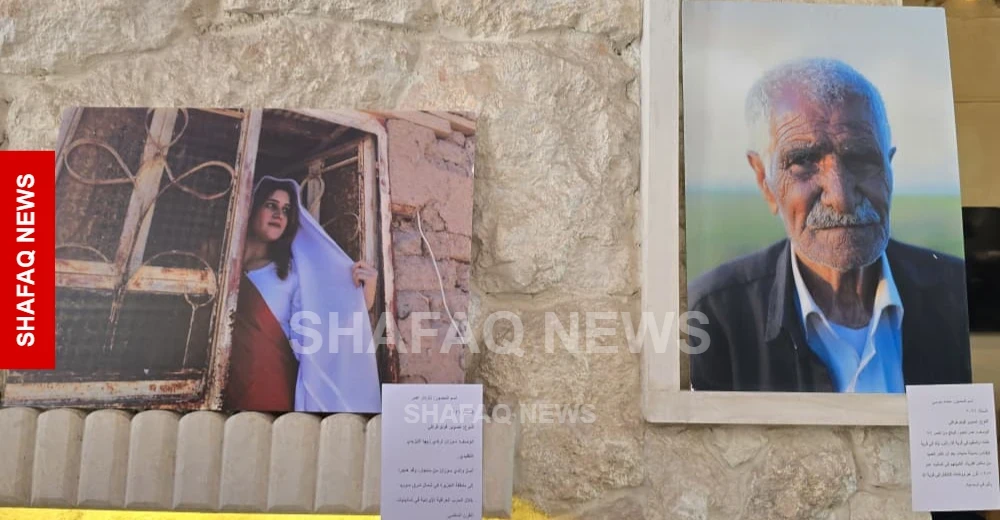
A photography exhibition in
Qamishli, a predominantly Kurdish city in northeastern Syria, is documenting
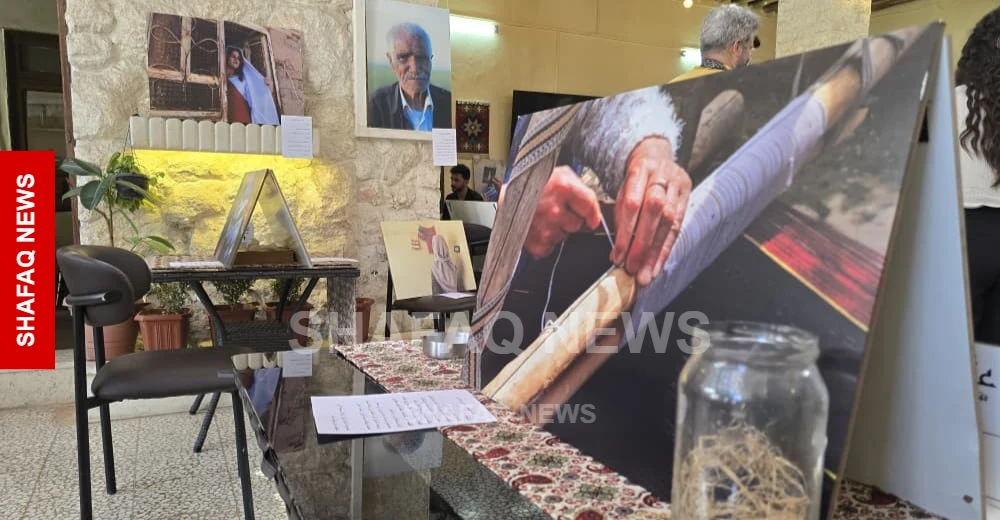
Yazidi life and heritage through 50 images aimed at preserving the community’s
collective memory beyond the massacres and displacement that have shaped much
of its recent history.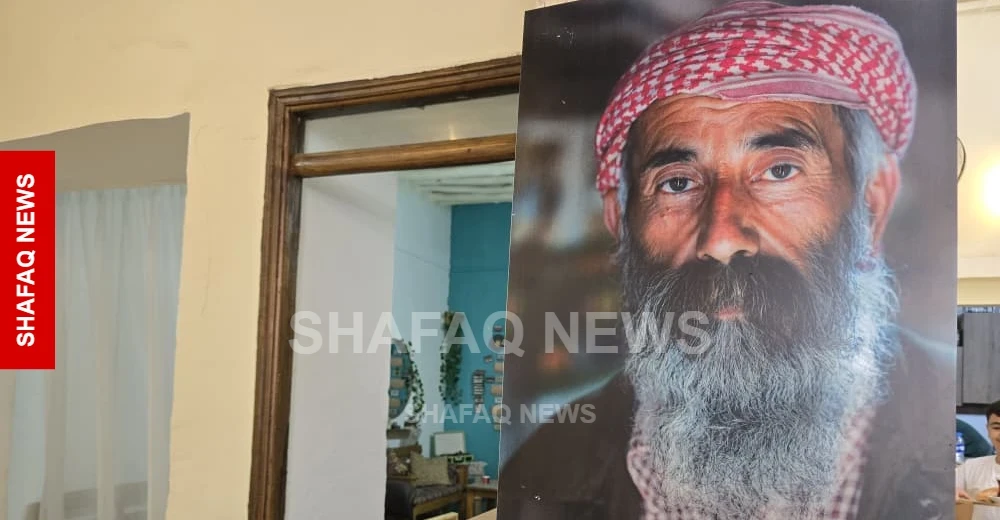
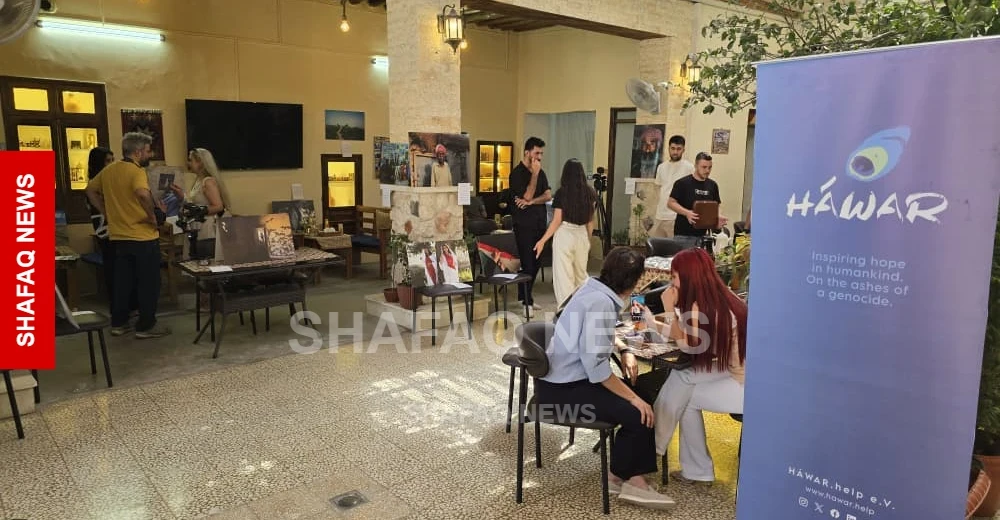
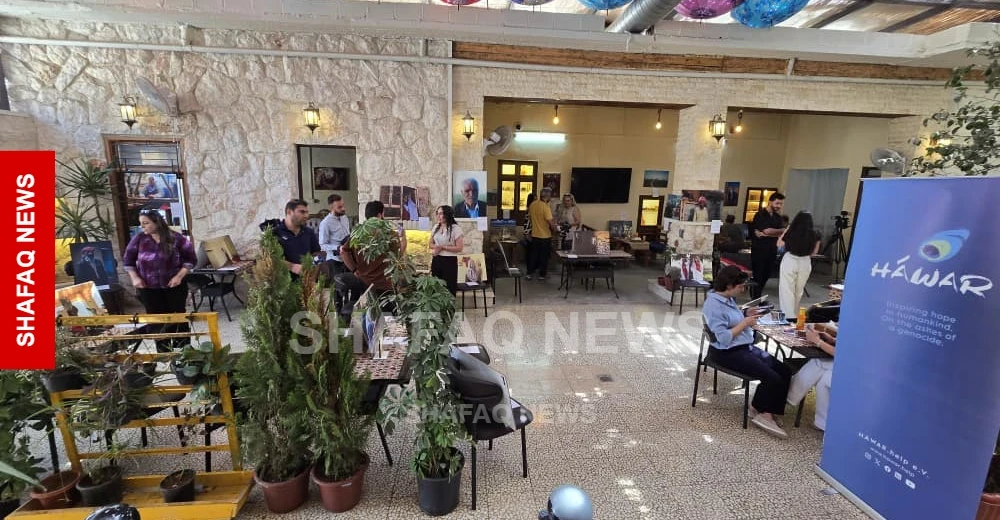
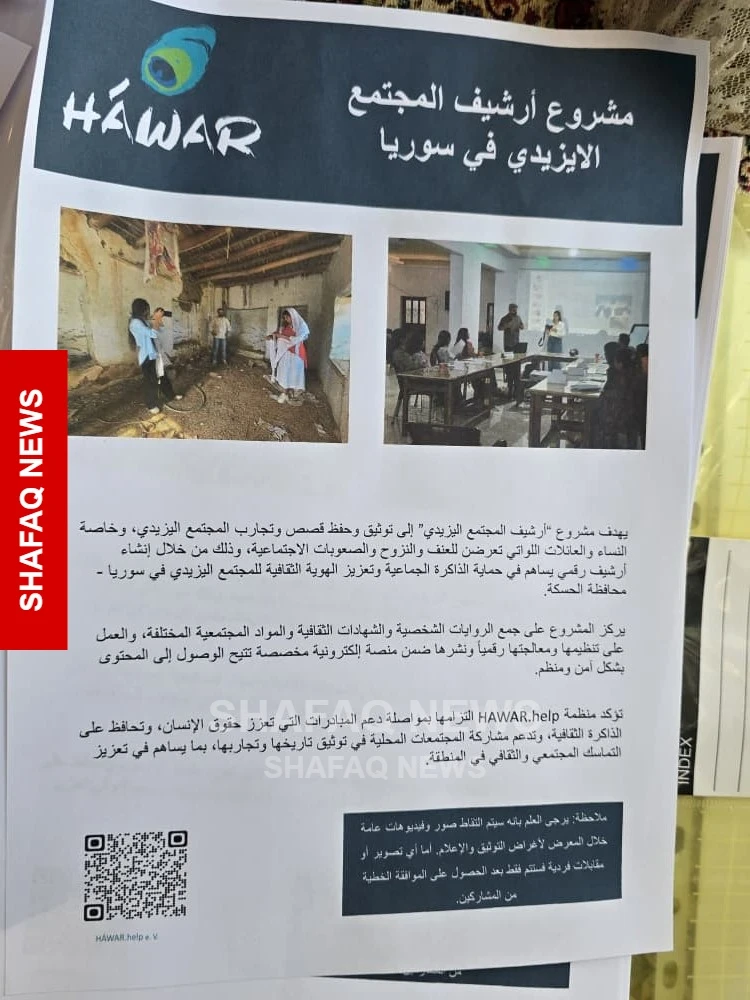
Organized on Thursday by HÁWAR.help, which has long documented crimes and abuses against Yazidis, the exhibition drew dozens of activists, journalists, cultural figures, and community members to the Al Bal café. The event is part of the German Federal Foreign Office-backed Yazidi Community Archive project, which collects personal accounts, testimonies, and other materials for a digital record of the community’s history.
Read more: Kurds in Syria: From marginalization to a defining political force
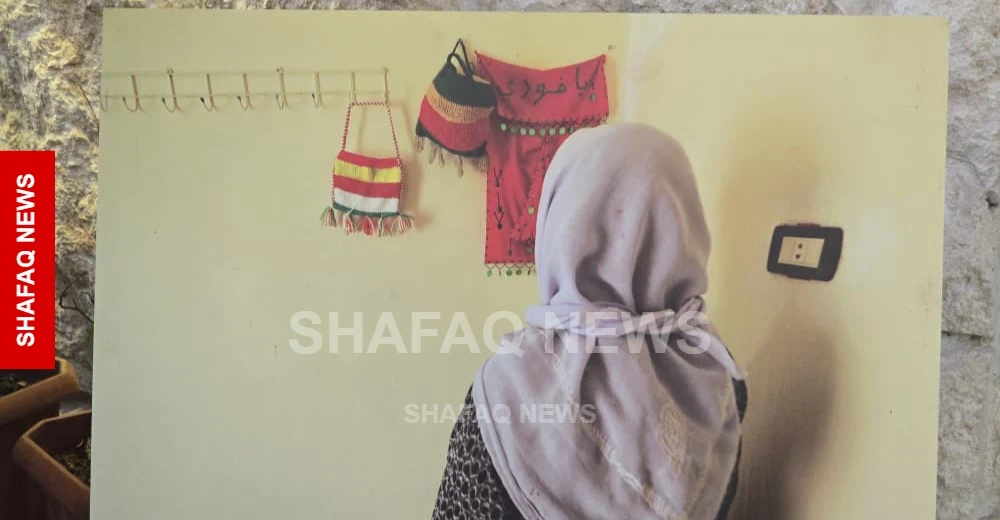
The photographs capture everyday
life, religious rituals, social occasions, and shared memories, alongside
families who survived massacres and people displaced from Sinjar (Shingal in
Kurdish), the heartland of Iraq’s Yazidis, a Kurdish-speaking ethno-religious
minority with communities in Iraq and Syria.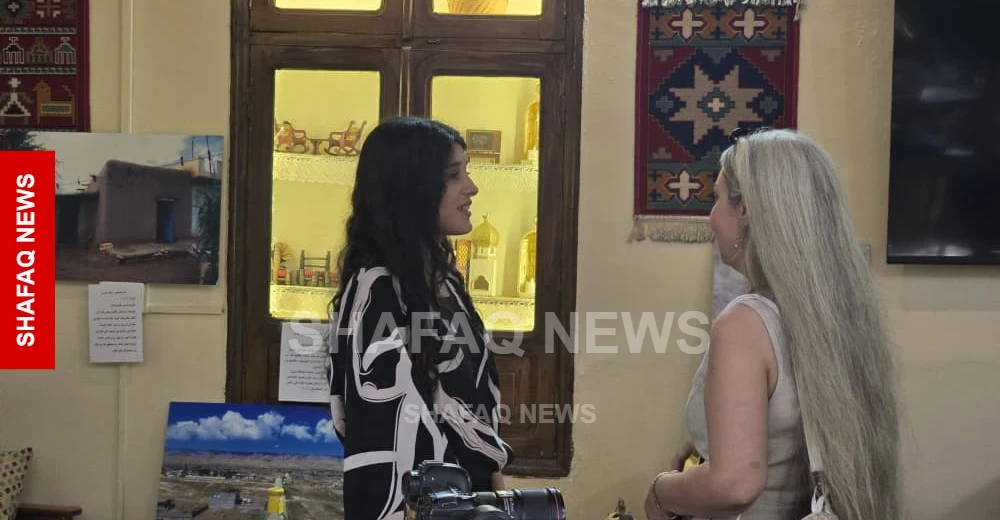
HÁWAR.help Project Manager Nesrin
Mohammed told Shafaq News that protecting the community’s culture from
disappearing is “a right for all communities.” She highlighted the Yazidis’
rich artistic, social, and religious heritage, adding that the initiative also
seeks to familiarize other Syrian communities with their traditions and ways of
life.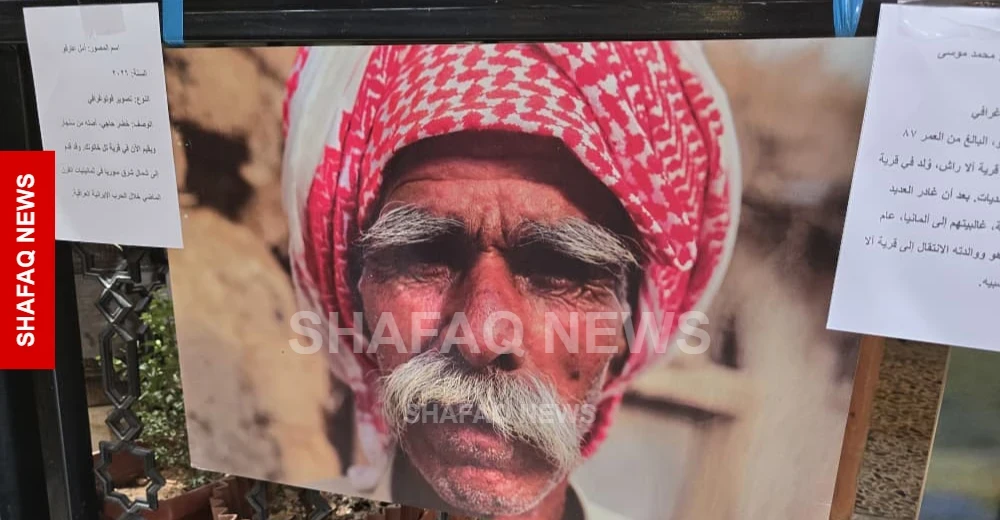
Women’s rights activist Shirin Younis described the exhibition as an “important and beautiful initiative” that offers a broader portrayal of an integral part of Syrian society. She also called for the country’s different communities to participate in shaping Syria’s future, while criticizing the absence of Yazidi representation in the recently formed Syrian parliament.
Read more: Syria's Kurds hold 12 parliamentary seats, deserve 30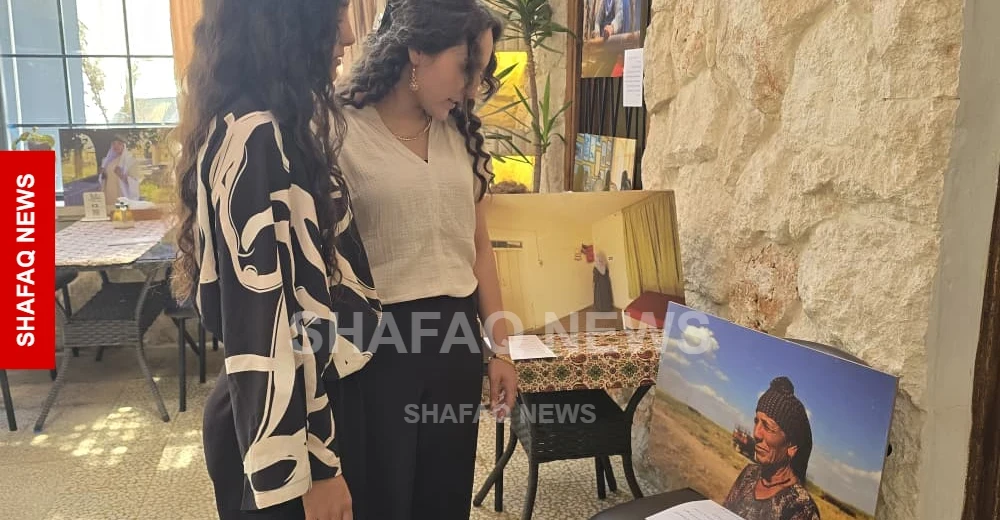
In August 2014, ISIS attacked
Sinjar, carrying out mass killings and abductions and enslaving thousands of
Yazidis. Kurdish Peshmerga forces retook the district in late 2015, and Iraqi
forces declared Nineveh province fully liberated from ISIS two years later.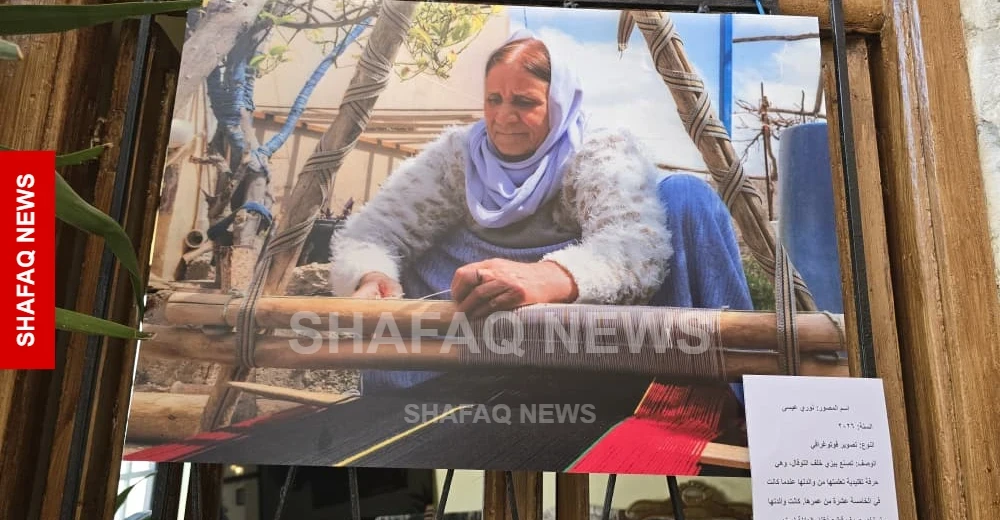
According to figures previously provided to Shafaq News by Hussein al-Qaidi, director of the Kurdistan Region’s Office for Kidnapped Affairs, ISIS abducted 6,417 Yazidis during the assault. Since then, 3,595 have been rescued, while nearly 2,500 remain missing and over 200,000 are still displaced.
Read more: The long shadow of Sinjar: Twelve years after the ISIS genocide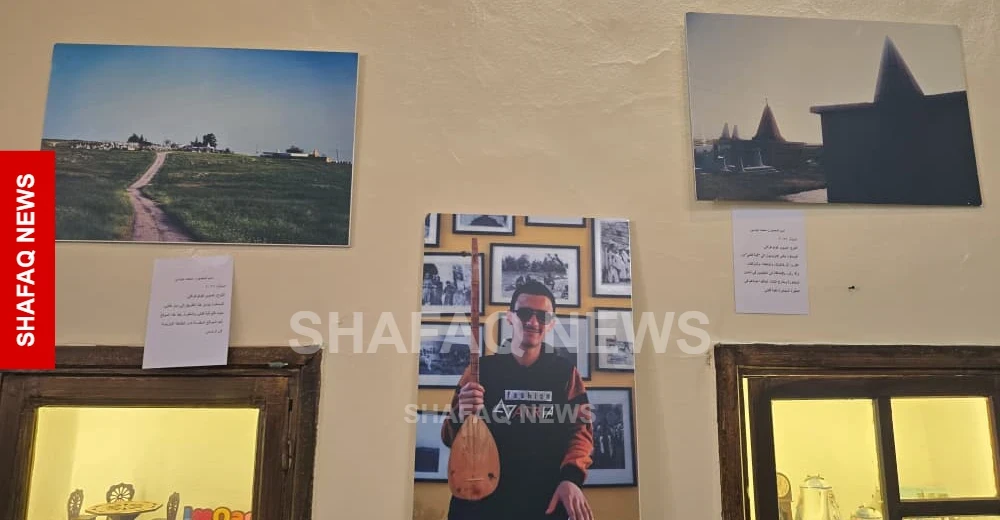
More than 80 mass graves have been
documented, yielding the remains of 776 victims. Forensic teams have identified
297 and returned them to their families, while 479 await identification through
DNA analysis.