Erbil ceremony marks Peshmerga unification


Shafaq News- Erbil
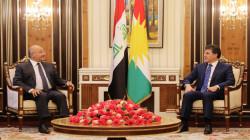
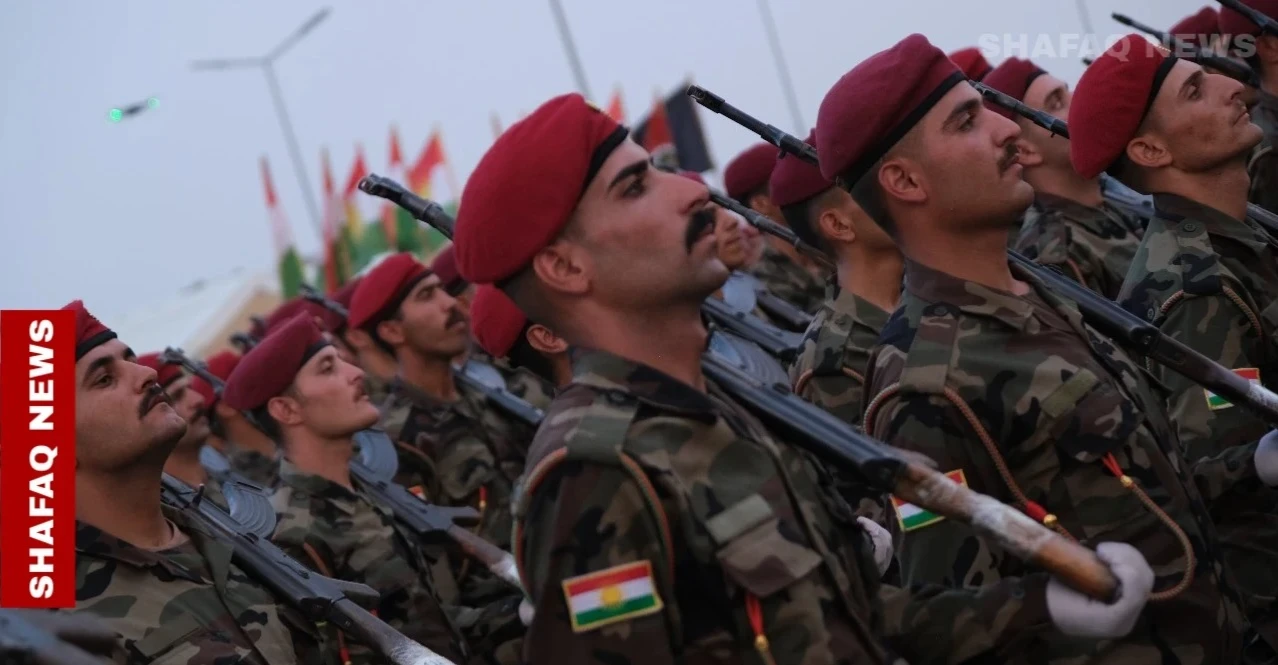
The Kurdistan Region of Iraq (KRI) on Monday celebrated the unification of its Peshmerga forces under the Ministry of Peshmerga Affairs, a major step toward consolidating the KRI’s divided military personnel under a single command.
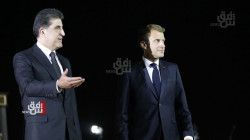
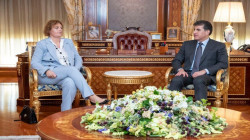
The ceremony took place at the Kurdistan Region Presidency headquarters in Erbil under the supervision of KRI President Nechirvan Barzani, who also serves as commander-in-chief of the Peshmerga.
The event marked the culmination of a years-long reform effort aimed at overcoming political, organizational, and military obstacles that had kept the Peshmerga divided between separate command structures. The Kurdistan Region Presidency stated that, as of Sept. 21, 2026, no Peshmerga force would remain outside the Ministry of Peshmerga Affairs.
The current phase of the Peshmerga reform and unification process began in 2016 with support from the Global Coalition, particularly the United States, the United Kingdom, Germany, and other European countries. The effort included consolidating command and control, reorganizing units, reviewing personnel and payrolls, and developing training, weapons, and logistics systems.
A central part of the process has been ending the division between the 80th Unit, historically affiliated with the Kurdistan Democratic Party (KDP), and the 70th Unit, aligned with the Patriotic Union of Kurdistan (PUK), and bringing both into an institutional military structure under the Ministry of Peshmerga Affairs rather than party-linked command centers.
On Sept. 21, 2022, the Ministry of Peshmerga Affairs and the US Department of Defense renewed a Memorandum of Understanding (MoU) under which Washington continued its support for the Peshmerga in the fight against ISIS and backed the ministry’s reform program. Monday’s ceremony coincides with the fourth anniversary of that agreement.
What is the Peshmerga?
The Kurdish word “Peshmerga” consists of two parts: “pesh,” meaning “front” or “ahead,” and “merg,” meaning “death.” It is commonly translated as “those who face death” or “those advancing toward death.”
The name became widely used for an organized military force during the Kurdish Republic of Mahabad, declared in Iran in 1946. Kurdish forces formed its army, including fighters led by historic Kurdish leader Mullah Mustafa Barzani.
The Peshmerga emerged as an organized force during successive stages of the Kurdish national movement, particularly after the September Revolution began in 1961 under Mullah Mustafa Barzani.
Following the 1991 uprising and the establishment of the KRI’s institutions, the Peshmerga became an official force responsible for protecting the KRI.
Read more: The evolution of Kurdish power in Iraq: Governance, oil, and constitutional ambiguity