Chamchamal marks the Anfal anniversary quietly as families demand justice


Shafaq News- Al-Sulaymaniyah
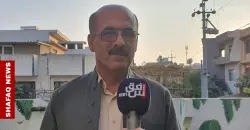
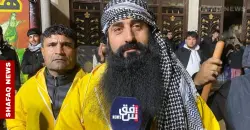
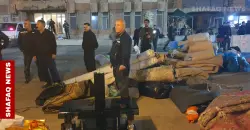
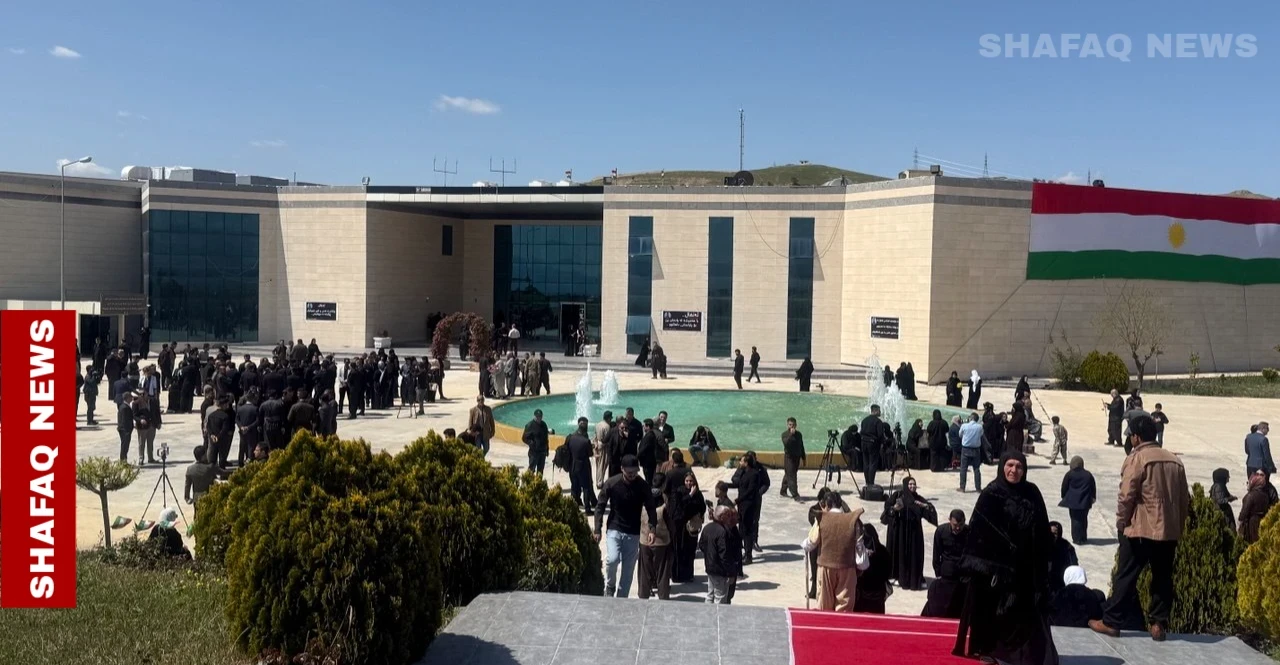
Residents of Chamchamal district in Al-Sulaymaniyah province gathered on Tuesday to mark the anniversary of the Anfal campaign in an informal popular ceremony, held in the absence of any official events, according to Shafaq News correspondent.
Families of the Anfal victims said "their wounds are renewed each year with the return of this anniversary," describing the campaigns as "a grave injustice that targeted the very existence of the Kurdish people and was carried out as part of deliberate Baathist policies." They said "they have yet to receive their full rights as guaranteed by law and the constitution," and called on both the Baghdad government and the Kurdistan Regional Government to give greater attention to their cause and provide dignified living conditions in their areas following years of displacement.
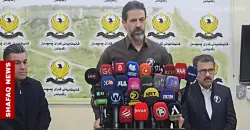
The Chamchamal district administration had announced on Monday that no official ceremonies would be held this year due to general circumstances. Official participation was limited to a brief appearance by the governor of Al-Sulaymaniyah and several political figures, who laid wreaths at the commemoration site without organizing formal events.
April 14 marks the 38th anniversary of the Anfal campaigns, carried out by Saddam Hussein's regime against Kurdish civilians in 1988. The operations ran from February 22 to September 6 of that year across eight phases, targeting wide areas of Kurdistan, including Al-Sulaymaniyah, Qaradagh, Garmian, and Badinan. They involved multiple military and security formations, including the army, air force, Republican Guard, and intelligence services. Estimates indicate the campaigns resulted in the deaths of approximately 182,000 Kurdish civilians, the destruction of more than 4,500 villages, and the use of internationally prohibited weapons, including chemical arms. The campaign was led by Ali Hassan al-Majid, infamously known as "Chemical Ali," who served as Secretary General of the Baath Party's Northern Bureau and military governor of the region, while military operations were commanded by former Iraqi Defense Minister Sultan Hashim. The chemical attack on Halabja on March 16, 1988, one of the most prominent episodes of the Anfal, killed more than 5,000 civilians, the majority of them women and children.
The Anfal operations were classified as genocide under international standards and by the Iraqi High Criminal Court, which issued death sentences and life imprisonment verdicts in 2007 against several officials from the former regime, most notably al-Majid and Sultan Hashim. On May 3, 2011, the court further confirmed the genocide classification, having previously convicted al-Majid —who was also responsible for the Halabja chemical attack— and sentenced him to death. He was executed on January 25, 2010.
Read more: Kurdistan remains a steadfast haven for the persecuted 40 years after the Anfal genocide