PMF Law delay risks collapse next term, SLC Spokesperson


Shafaq News – Baghdad
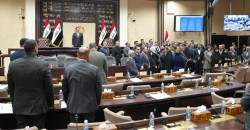
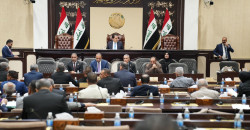
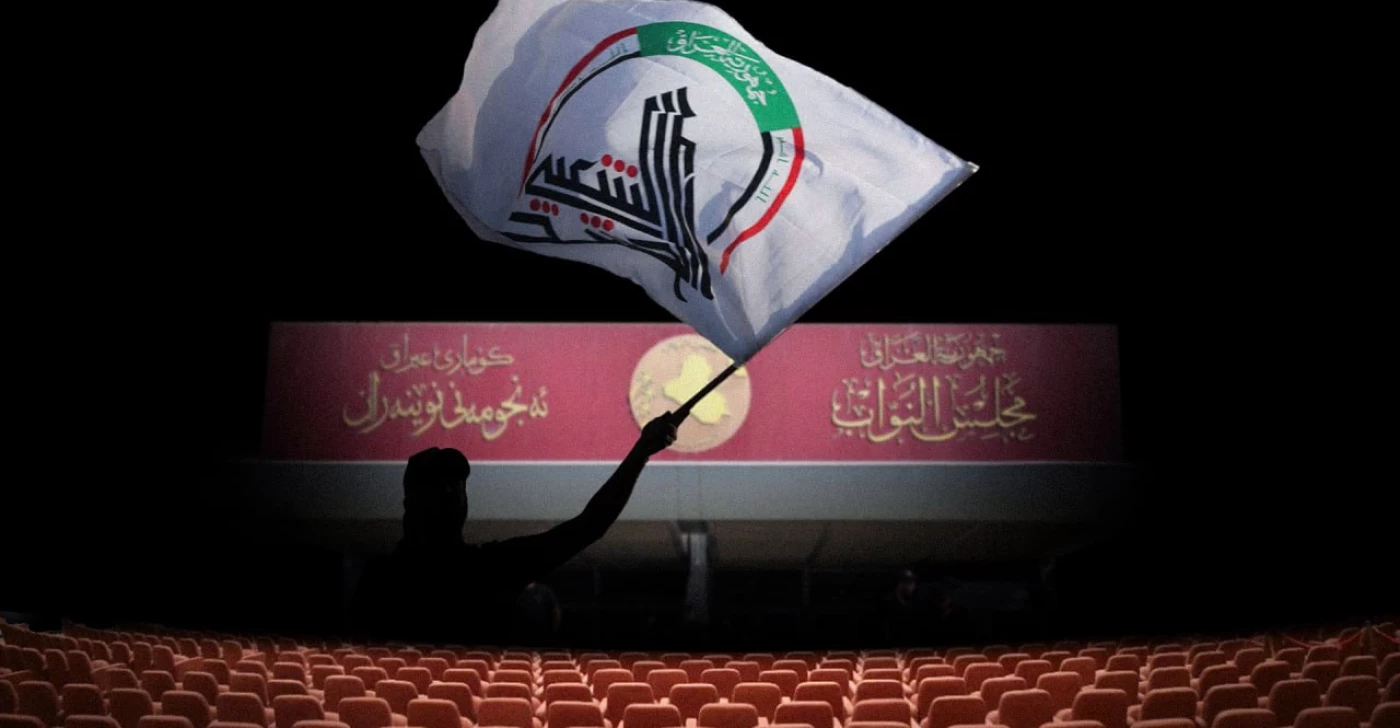
On Friday, the State of Law Coalition (SLC), led by former Prime Minister Nouri al-Maliki, warned that the Popular Mobilization Forces (PMF) Authority Law risks being postponed to the next parliamentary term, citing a lack of political consensus and quorum-breaking absences by key blocs.
The SLC holds 33 of 329 seats in Iraq’s parliament and is part of the Coordination Framework (CF), a coalition of mainly Shiite political parties.
The Coalition Spokesperson, Aqil al-Fatlawi, told Shafaq News that the real reason behind the law’s failure to pass is the absence of Sunni and Kurdish lawmakers, calling on all 183 Shiite MPs in parliament to attend the next session in support of the PMF.
Al-Fatlawi also pointed to “US interference influencing some political blocs aligned with US institutions,” claiming that these pressures have started to directly affect the decisions and movements of MPs.
Deferring the PMF Authority Law to the next legislative cycle would further complicate its prospects due to uncertainty around future political alliances, he cautioned, adding that around 30 Sunni MPs representing tribal forces would benefit from its provisions.
“We’re awaiting developments after Arbaeen,” al-Fatlawi concluded. “There may be a decisive session, but it will be the last chance to pass the law during the current term.”
Earlier, the US State Department reaffirmed Washington’s opposition to any legislation in Iraq that, in its view, “moves the country toward becoming an Iranian proxy,” warning of possible sanctions targeting financial entities linked to armed groups.
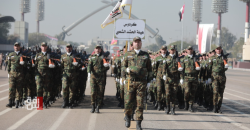
The PMF was established in mid-2014 following a fatwa by Grand Ayatollah Ali al-Sistani, calling for volunteers to defend Iraq after ISIS seized Mosul. Thousands of fighters from various armed factions—many of whom had existed prior to the edict—joined the force, which played a critical role in halting ISIS’s advance across northern and western Iraq.
In November 2016, Iraq’s parliament passed a law formally recognizing the PMF as a component of the national security apparatus. However, the law lacked clear structural and administrative details, leading to repeated calls for its revision and proper legal regulation.