Al-Zaidi may pick ministers if Parliament rejects nominees


Shafaq News- Baghdad
Iraqi Prime Minister Ali Al-Zaidi intends to select candidates for nine vacant cabinet posts himself if nominees agreed by political blocs fail to secure parliament’s confidence, an informed source revealed on Sunday.
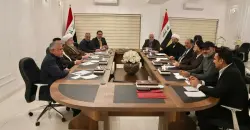
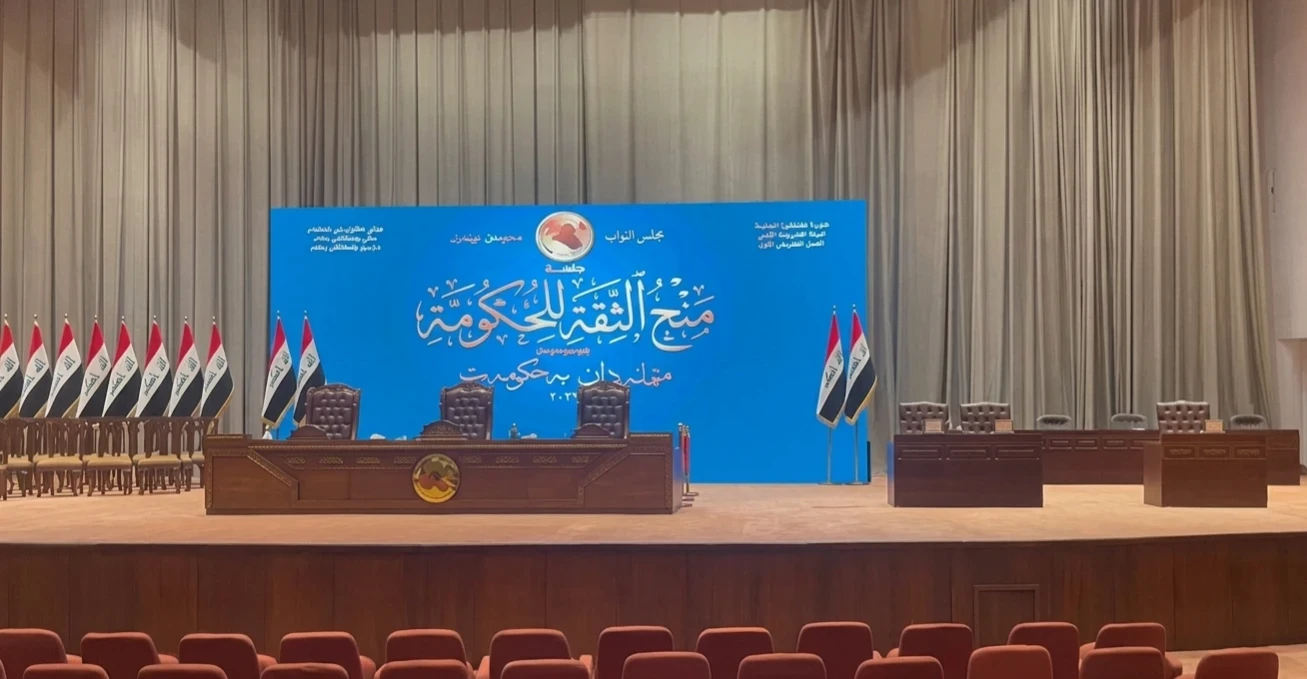
Al-Zaidi is pressing political forces to agree on choices for the remaining portfolios, left vacant when parliament approved his government program and 14 of 23 ministers on May 14, the source told Shafaq News. The State Administration Coalition has called for negotiations over the outstanding posts, including Interior, Defense, Higher Education, and Planning, to begin next week.
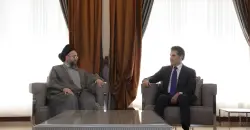
Government-formation talks have also expanded to the structure of the cabinet. During discussions with State of Law Coalition leader Nouri Al-Maliki, the source said, Al-Zaidi raised a proposal to merge ministries and independent bodies as part of efforts to reduce public spending.
One option would consolidate the Shiite and Sunni endowment offices, the body overseeing Christian, Yazidi, and Mandaean endowments, and the Hajj and Umrah Authority under a Ministry of Endowments and Religious Affairs or a similar institution. Further mergers could be considered at the Shiite Coordination Framework’s next meeting, according to the source.
Read more: Al-Zaidi at 100 days: Iraq's toughest tests still ahead
Iraq has faced mounting pressure to contain public-sector costs. On Feb. 16, then-caretaker Prime Minister Mohammed Shia Al-Sudani terminated advisory contracts, consolidated administrative departments, and directed state institutions to curb expenditures and improve revenue collection. The Eco Iraq Observatory reported in May that nearly 70% of draft laws considered by parliament during the current term would expand state structures or increase spending.
The country has operated throughout 2026 without an approved federal budget, relying on temporary one-twelfth spending rules as disrupted oil exports and declining revenues strained public finances. Authorities are now preparing a program-based 2027 budget aimed at tightening fiscal controls and linking allocations to measurable results.
Read more:2026 budget: Iraq confronts unprecedented fiscal strain
Discussions with political leaders have further addressed amendments to draft legislation concerning the Popular Mobilization Forces (PMF) and efforts to bring weapons under state control, including arrangements for receiving and storing surrendered arms.