Lebanese Army takes operational control south of the Litani River


Shafaq News– Beirut
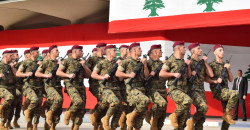
The Lebanese Army announced on Thursday that it has entered an “advanced phase” of its plan to confine weapons exclusively to state authority after completing the objectives of the first stage, which focused on asserting control over areas south of the Litani River, a strip extending roughly 30 kilometers.
In a statement, the army said that operations would continue to clear unexploded ordnance and tunnels “to prevent armed groups from rebuilding their capabilities,” adding that it has established operational control over territories under its authority in the southern Litani sector, excluding areas that remain under Israeli occupation.
The army criticized Israel’s continued attacks, the occupation of Lebanese positions, and the establishment of buffer zones, saying these actions undermine efforts to extend state authority and confine weapons to the state. It said it would conduct a comprehensive assessment of the first phase of the “Homeland Shield” plan to determine the course of subsequent phases, noting that ongoing Israeli actions, delays in promised military support, and continued occupation slow mission execution.
The army confirmed continued coordination with UNIFIL and the ceasefire monitoring mechanism.
The statement did not name Hezbollah or explicitly address the disarmament of factions.
تنفيذًا لقرار مجلس الوزراء اللبناني الصادر بتاريخ 5 آب 2025، يؤكد الجيش التزامه الكامل بتولي وممارسة المسؤولية الحصرية عن حفظ الأمن والاستقرار في لبنان، مع سائر الأجهزة الأمنية، ولا سيما في منطقة جنوب نهر الليطاني، وذلك وفاءً لواجباته المنصوص عليها في الدستور اللبناني والقوانين… pic.twitter.com/HIUaJpfznf
— الجيش اللبناني (@LebarmyOfficial) January 8, 2026
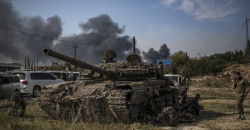
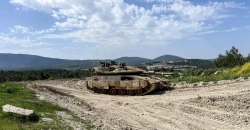
Despite the ceasefire, Israeli forces continue to occupy five hills in southern Lebanon seized during the 2024 war with Iran-aligned Hezbollah, in addition to other border areas occupied for decades. Near-daily ground violations persist, including a recent advance of about three kilometers in the Khiam area, where the Israeli army detonated a house it said contained ammunition.
Israeli strikes have also continued across southern and eastern Lebanon and Beirut’s southern suburbs. UNIFIL has documented more than 10,000 Israeli ceasefire violations, while Lebanon’s Health Ministry reports at least 340 people killed and more than 970 wounded, including women and children, since the agreement.
In August 2025, the Lebanese government tasked the army with drafting a plan to confine weapons to the state, with the first phase —south of the Litani— due to be completed by the end of 2025. Since then, the army has dismantled facilities and tunnels and seized weapons attributed to Hezbollah. Israel has questioned the effectiveness of these measures and accused Hezbollah of rebuilding its military capabilities.
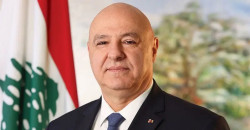
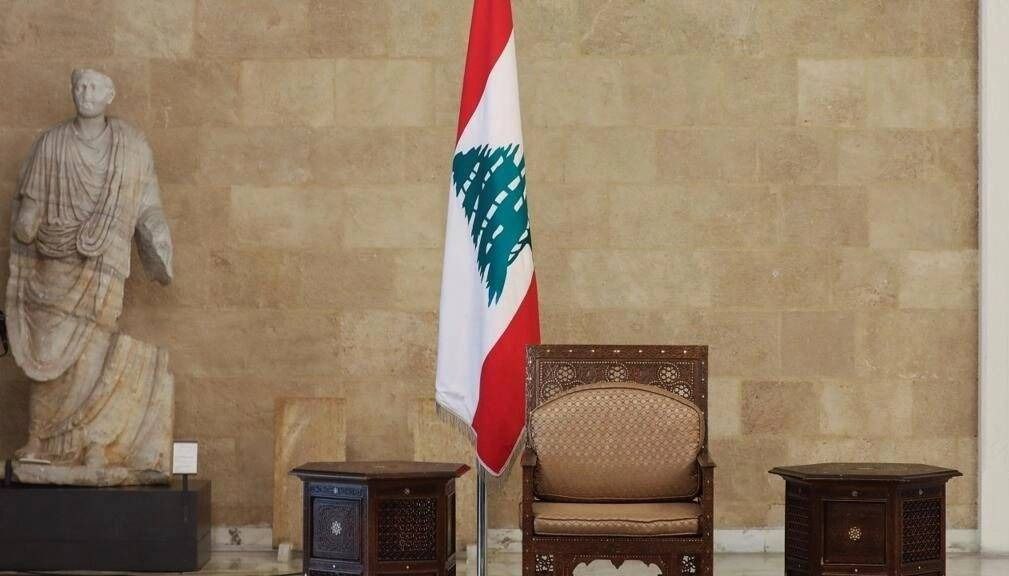
President Joseph Aoun backed the army’s announcement, describing the deployment as part of a comprehensive national decision grounded in the constitution, state decisions, and international commitments. He said the goal is to entrench exclusive state control over weapons, affirm that decisions of war and peace rest with constitutional institutions, and prevent Lebanese territory from being used for hostile acts.
Regarding the ongoing Israeli occupation, buffer zones, and violations by land, sea, and air, Aoun said that this obstructs the full extension of state authority, reaffirming Lebanon’s commitment to the ceasefire and urging the international community to help implement it, including by accelerating support for the army’s capabilities.
بيان صادر عن رئيس الجمهورية العماد جوزاف عون تعلنه الناطقة الرسمية باسم الرئاسة نجاة شرف الدين:إيماناً بواجبي الوطني، وحرصًا مني على الوضوح الكامل للموقف اللبناني في هذه المرحلة الدقيقة، والتزاماً بمقتضيات الموقع الذي أولاني إياه الدستور، رئيساً للدولة ورمزاً لوحدة الوطن،…
— Lebanese Presidency (@LBpresidency) January 8, 2026
Lebanese Parliament Speaker and Hezbollah’s ally, Nabih Berri, also supported the army’s declaration that it has taken control south of the Litani.
The Special Coordinator for Lebanon at the Office of the United Nations Special Coordinator for Lebanon (UNSCOL) welcomed the announcement, calling it “undeniable progress” and a milestone that reinforces the role of the mechanism established under the November 24 arrangement.
انه لتطور عظيم ان نرى الجيش اللبناني يؤكد تحقيق سيطرته الميدانية جنوب الليطاني. هذا بلا شك تقدم لافت، لكن لا يزال هناك الكثير مما يتعين انجازه. أنّ الإنجاز المفصلي الذي اعلن اليوم يعكس التزام السلطات اللبنانية كما يعزز دور الميكانيزم الذي أُنشئ بموجب تفاهم 24 تشرين الثاني 2024. https://t.co/dGKpMqPoUk
— Jeanine Hennis (@JeanineHennis) January 8, 2026
The Lebanese government is scheduled to hold a session on Thursday to discuss the army command’s report on the first phase of the weapons confinement plan and will hear a briefing from Army Commander Rodolph Haykal on its implementation.
Israel cast doubt on the army’s statement. Channel 12 quoted Israeli military sources as saying Hezbollah remains present south of the Litani with fighters, weapons, and infrastructure, adding that the Lebanese Army’s statements “do not match reality.”
Israeli Foreign Minister Gideon Sa’ar said earlier that efforts by the Lebanese government and army to disarm Hezbollah are “far from sufficient.”
The Israeli daily Maariv reported today that Israeli security assessments indicate preparations have been completed for large-scale military operations against Hezbollah, warning that the northern front is heading toward a “dangerous escalation,” with plans focusing on striking weapons depots, missile storage sites, military headquarters, and Hezbollah fighters and commanders.
Iran’s foreign minister is expected to arrive in Beirut shortly at the head of a delegation.
Read more: Israel warns Lebanon: Deterrence or descent into new war?