Iraqi ruling bloc moves to pick next Prime Minister


Shafaq News – Baghdad
Iraq’s election-winning Reconstruction and Development (Al-Ima’ar wal Tanmiya) Coalition has put forward a new initiative to break the impasse over forming the next government, sources told Shafaq News, as disputes over the premiership continue to stall the political process.
Led by caretaker Prime Minister Mohammed Shia al-Sudani, the bloc’s proposal, the source said, is based on “constitutional mechanisms and political consensus, aiming to form an effective government capable of advancing political and economic reform.”
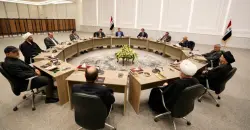
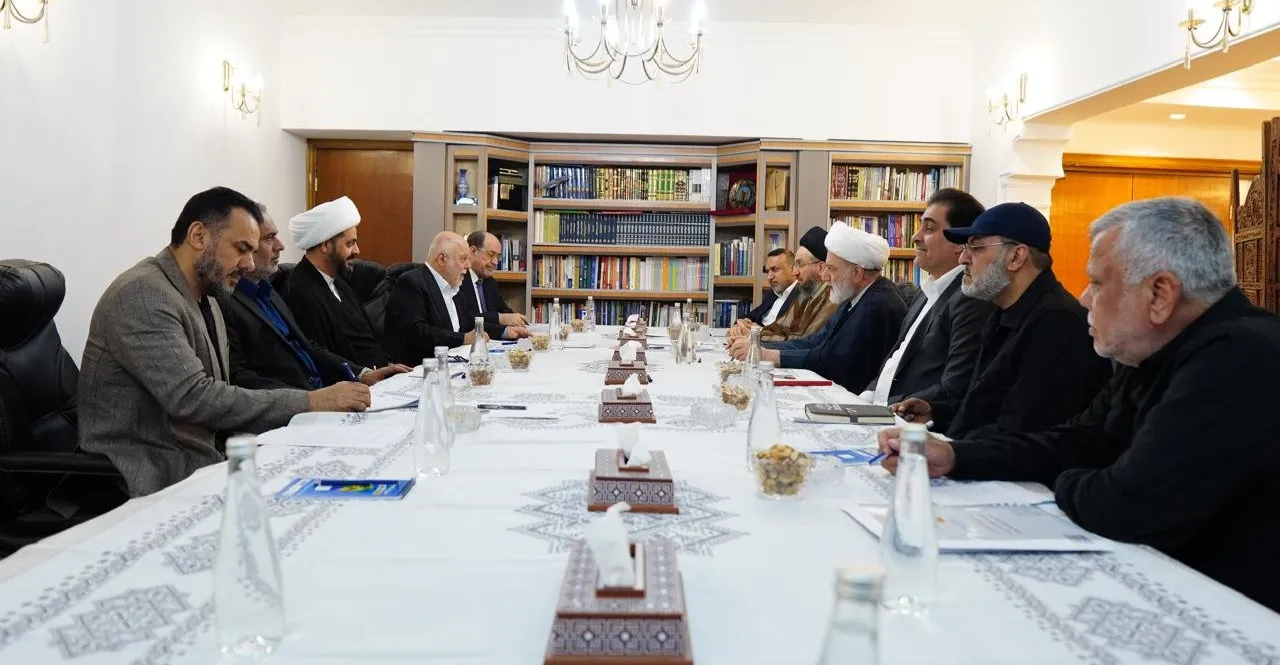
Further details are expected to be discussed at the Coordination Framework’s upcoming meeting.
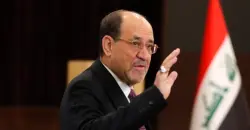
The initiative comes as reports indicate that Iraq’s race for the prime minister post has narrowed to two main contenders: Al-Sudani, whose bloc won 46 of the 329 parliamentary seats, and former Prime Minister Al-Maliki, who secured 29 MPs.
Iraq concluded its sixth parliamentary election since 2003 on November 11, with nationwide turnout exceeding 56%. Final results ratified by IHEC showed Shiite parties securing 187 seats, Sunnis winning 77 seats, and Kurds obtaining 56 seats.
Under the constitution, parliament must elect a speaker and two deputies within 15 days of ratification. The president is then elected within 30 days of the first parliamentary session, followed by the designation of a prime minister within 15 days. The prime minister-designate is required to form a cabinet within 30 days.
Iraq’s power-sharing system assigns the premiership to a Shia figure, the speakership to a Sunni, and the presidency to a Kurd. With all major forces capturing significant seats, selecting the three key positions has evolved into a process shaped by cross-component bargaining and continuous recalculation.
Read more: Iraq's new parliament: No bloc can impose, none can be ignored