Iraqi lawmaker warns of Brotherhood sway after dismissal of Sunni Endowment chief


Shafaq News – Baghdad
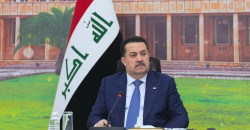
An independent Iraqi lawmaker warned Friday that Prime Minister Mohammed Shia al-Sudani’s decision to dismiss the head of the Sunni Endowment could expand Muslim Brotherhood influence in the country’s religious institutions, adding to political controversy over the move.
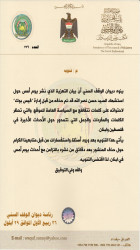
The Sunni Endowment (Diwan al-Waqf al-Sunni), which administers mosques and religious properties across Iraq, has been placed under the temporary leadership of Amer Shakir al-Janabi. Al-Sudani appointed him acting head for six months, directing him to promote moderate discourse and keep the institution “away from political or electoral exploitation.”
The change followed tensions at Baghdad’s Karim al-Nasir Mosque, where an imam collapsed and died after a dispute during Friday prayers.
Read more: Death of Baghdad Imam amid mosque dispute: WHAT WE KNOW SO FAR?
Reacting to the dismissal of Mushaan Mohi al-Khazraji, lawmaker Raed al-Maliki said the decision — and its endorsement by Sunni political leader Khamis al-Khanjar — amounted to “reinforcing the Brotherhood’s sway” in Iraq. He urged al-Sudani to avoid what he described as short-term policies aimed at consolidating political power.
Al-Khanjar, frequently portrayed by rivals as sympathetic to Brotherhood-inspired politics though not formally aligned with the movement, welcomed al-Janabi’s appointment, saying it strengthened moderate religious discourse and respected Iraq’s institutions.
Al-Maliki countered that while the Brotherhood, founded in Egypt nearly a century ago, has the right to participate in politics like other parties, granting it dominance over the Sunni religious establishment risked “turning faith into a tool for its own agenda, with external links.” The movement does not operate as a single unified party in Iraq, but its ideas have shaped parts of the Sunni political spectrum.
He further warned that Iraq remained in a formative stage and vulnerable to foreign influence through “soft power” rather than military means, calling for supporting moderate Sunni and Shiite forces, pointing to the Shiite clerical establishment in Najaf as a stabilizing reference point.