Iraqi lawmaker: Al-Zaidi averted US-Saudi strikes


Shafaq News- Baghdad
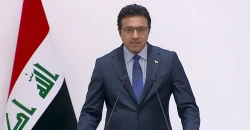
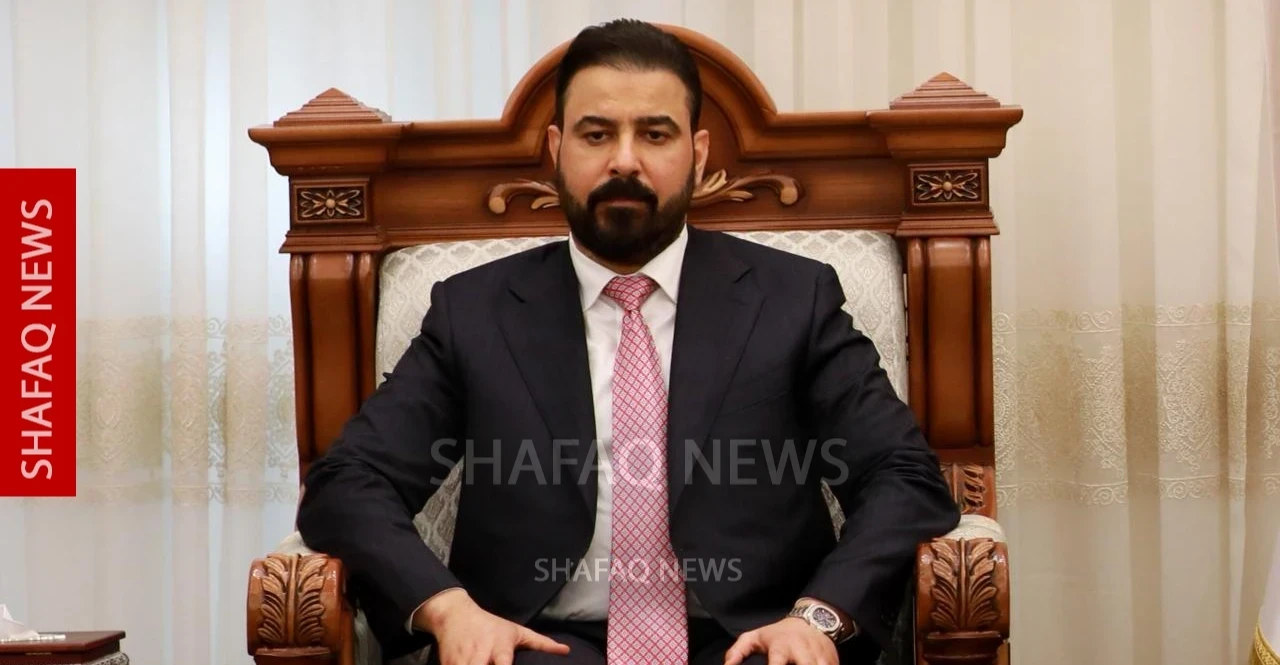
Prime Minister Ali Al-Zaidi averted US-Saudi military strikes on Iraq that had been planned for Monday, lawmaker Abu Turab Al-Tamimi told Shafaq News.
The lawmaker credited Al-Zaidi's handling of the crisis for the outcome but declined to elaborate.
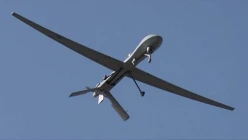
Tensions have risen since Saudi Arabia said last week that drones launched from Iraqi territory struck one of its main oil pipelines.
A security committee ordered by Al-Zaidi, in his capacity as commander-in-chief of the armed forces, is close to completing its investigation into the drone launches and will submit its findings next week, according to Abdul Rahman Al-Jazairi, a senior figure in Al-Qasam Movement, a bloc within the State of Law coalition led by former Prime Minister Nouri al-Maliki. Al-Jazairi said the committee was making significant efforts and that nothing new had emerged in the case.
He added that Iran had informed Iraq that it would provide radar recordings from their shared border, which he said could show drone activity heading toward Saudi Arabia or elsewhere and support the committee's findings.
Baghdad has taken several measures since the attacks. The government removed senior security commanders in Maysan, temporarily closed several crossings with Iran and tightened inspection and control procedures at official border points. Some cross-border traffic has since resumed.
Al-Zaidi on Saturday approved an Iranian request for a joint investigation into drone launch platforms near the Iraq-Iran border.
The Attacks On Saudi Arabia
Saudi Arabia said last week that several drones launched from Iraq struck its East-West pipeline, which carries crude oil across the country to its Red Sea coast, in the Riyadh and Medina regions. The strike caused casualties and property damage and forced a temporary, precautionary shutdown of the line, according to Saudi authorities, who said the kingdom reserved the right to take any measures needed to protect its sovereignty, security, and installations.
In late July, Saudi Arabia also intercepted drones launched from Iraq toward oil facilities in its Riyadh and Eastern regions. Saudi forces, coordinating with US Central Command (CENTCOM), then struck sites linked to armed groups across seven Iraqi provinces, including Basra, killing 20 members of the Popular Mobilization Forces (PMF) and wounding 32 others, according to PMF figures. The PMF is a state-linked network of mostly Shia armed groups.
Iraqi factions denied responsibility for either the September or the July attacks.
The Iraqi government has said its territory and airspace will not be used as a launchpad against neighboring states and that it will pursue legal action against anyone found to be involved in the attacks.