Iraq’s Al-Sadr shuts door on CF talks over government formation


Shafaq News – Baghdad
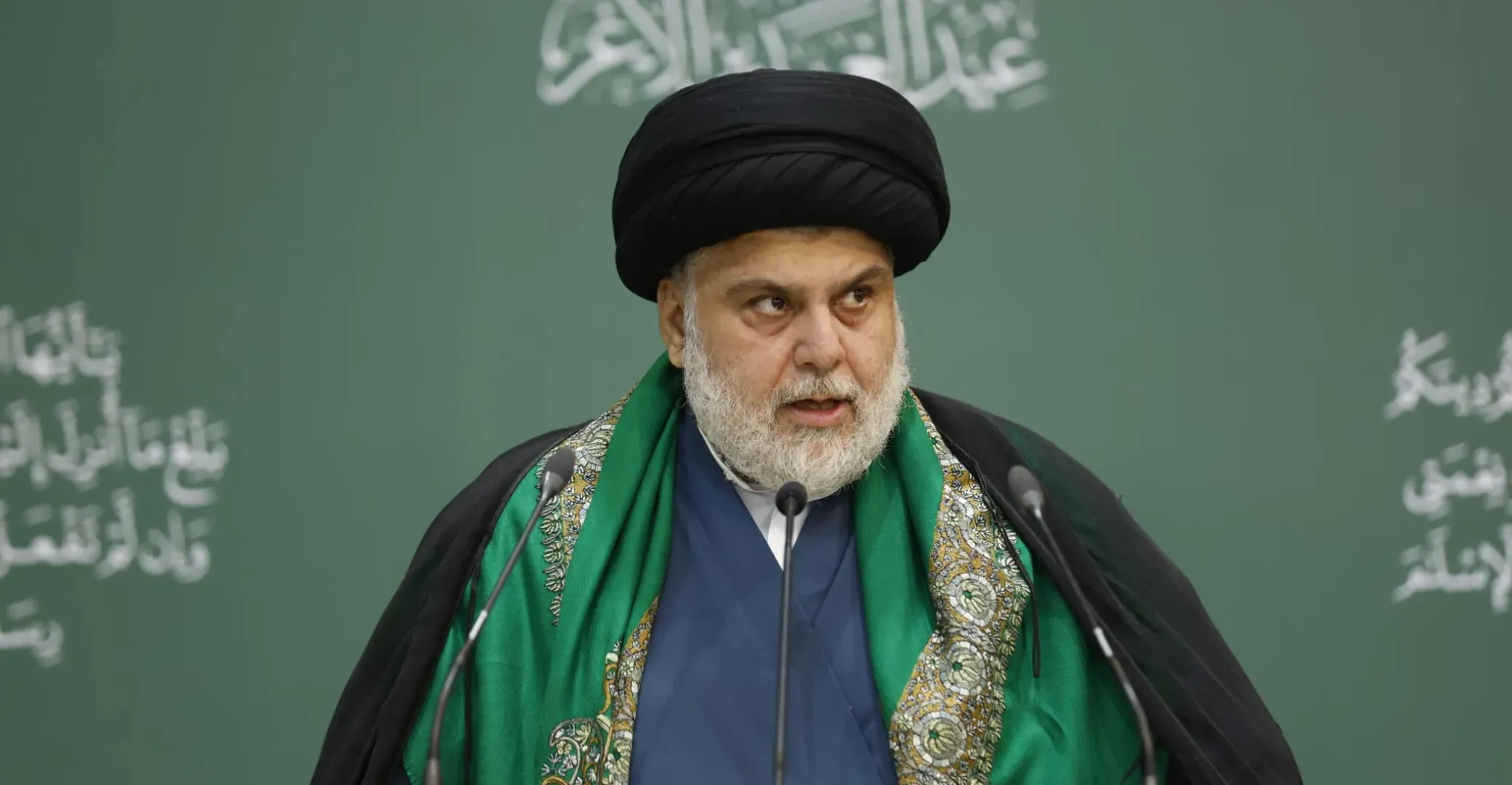
Patriotic Shiite Movement (PSM) leader Muqtada Al-Sadr has shut down all avenues of dialogue with the Coordination Framework (CF) over the formation of Iraq’s next government, a senior figure in the movement told Shafaq News on Thursday.
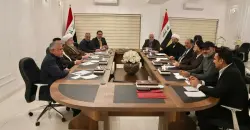
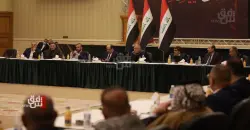
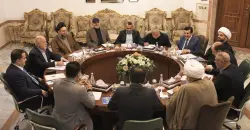
The development follows earlier information from within the CF — the predominantly Shiite alliance currently steering Baghdad’s government — where a source said the bloc had agreed to appoint a representative to meet Al-Sadr, who boycotted the parliamentary elections despite repeated appeals from prominent political figures, and brief him on government formation talks.
Speaking on condition of anonymity, the official affirmed that Al-Sadr refuses any form of communication, whether direct or indirect, and has made clear that he does not want the PSM involved in shaping the incoming cabinet. He described the stance as a continuation of the movement’s commitment to “independent political decision-making without outside pressure.”
Al-Sadr and his close circle, he added, will not join negotiations or political consultations, clarifying that the leader reaffirmed this position in recent internal meetings.
The Independent High Electoral Commission (IHEC) released the final parliamentary election results on Monday, confirming a 56.11% turnout across special voting on November 9 and the general vote on November 11, held at 8,703 polling centers and 39,285 stations. The commission will next forward the certified results to the Federal Supreme Court. After approval, parliament must elect a president, who will then assign a prime minister-designate to form the next government.
Read more: Iraq’s post-election roadmap: From ballot to government formation
Within the Coordination Framework, caretaker Prime Minister Mohammed Shia Al-Sudani’s Al-Ima’ar wal-Tanmiya (Reconstruction and Development) secured nearly 45 seats. It was followed by Nouri al-Maliki’s State of Law with 29; Sadiqoon, led by Qais al-Khazali, with 27; the Badr Organization under Hadi al-Amiri with 18; and Ammar al-Hakim’s National State Forces Alliance (Tahaluf Quwa al-Dawla al-Wataniyah) with 18. Together, these factions hold around 137 of the 329 parliamentary seats.
Read more: Indecisive victory: PM Al-Sudani's second term faces Shiite balancing act
Despite Al-Sudani’s prominence within the bloc, internal disagreements persist. State of Law’s Alaa al-Hadadi earlier told Shafaq News that several CF parties oppose granting Al-Sudani a second term, describing the alliance as a “round table” where decisions depend on influence and consensus rather than seat numbers.
Iraq’s political system is based on power-sharing, with the prime minister traditionally drawn from the Shia community, the parliament speaker from the Sunni community, and the president from the Kurdish community.