Al-Zaidi: Iraq narrowly avoided international isolation


Shafaq News- Baghdad
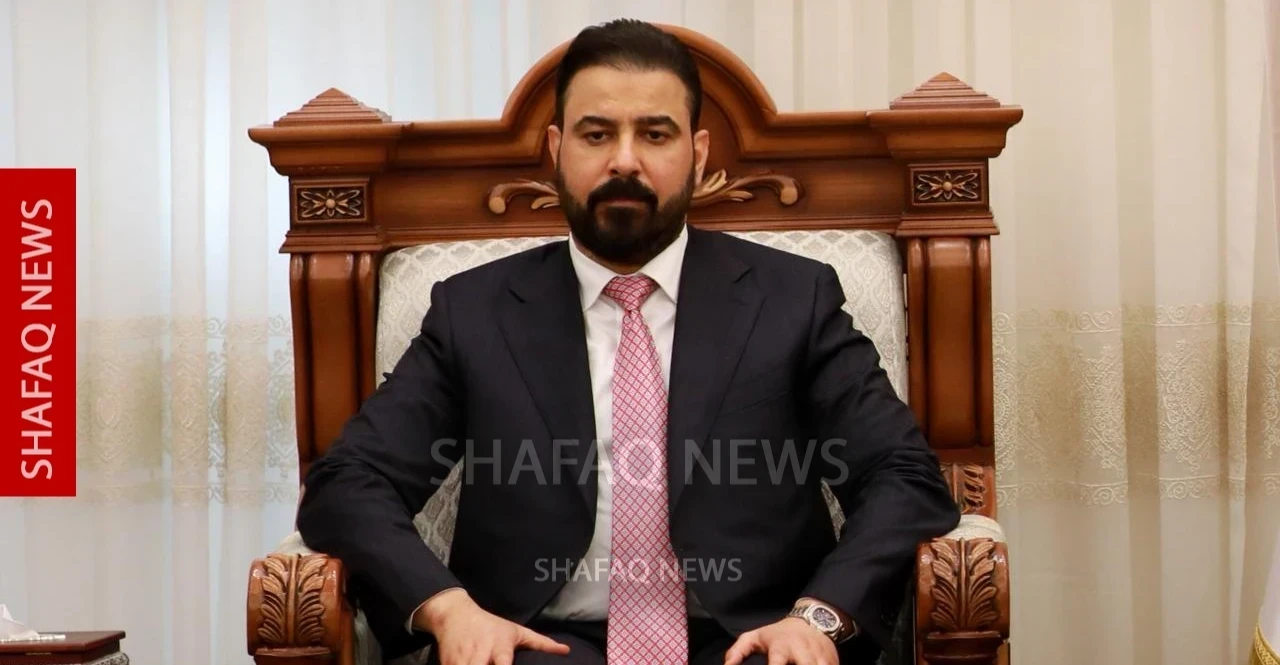
Iraqi Prime Minister Ali Al-Zaidi revealed on Friday that Iraq narrowly avoided international isolation, coming “within days” of facing sanctions and the withdrawal of foreign embassies.
In an interview with state-run Al-Iraqiya TV, Al-Zaidi explained that Western governments had viewed Iraq as “a state controlled by armed factions,” but his administration had managed to avert the threat, saying that three armed groups had agreed to place their weapons under state control, while negotiations with four others remained underway. “By June 30, 2027, no weapons will remain outside state authority.”
Read more: Iraq's second US troop withdrawal shifts the test to armed factions
Characterizing the decision as irreversible, he said the departure of foreign troops had removed “a longstanding justification” for armed factions to retain their weapons. He also asserted that no US military personnel, including advisers, remained in Iraq.
The prime minister outlined arrangements for Turkish forces to withdraw and hand over the Bashiqa base to the Iraqi army, alongside an agreement with Peshmerga forces concerning Mount Sinjar and the integration of personnel into the Popular Mobilization Forces (PMF), a state-linked paramilitary umbrella.
On regional tensions, Al-Zaidi reiterated Iraq’s commitment to avoiding military conflicts while facilitating dialogue between opposing parties.
He rejected closing the border with Iran, citing the economic consequences for both countries. “Closing the border with Iran means economically besieging ourselves,” he warned, expressing confidence that negotiations would eventually resolve the regional crisis.
Read more: Can Iraq’s economy weather a wider regional shock? Experts differ
Anti-Corruption Campaign
Al-Zaidi acknowledged political pressure over his anti-corruption drive but credited his government with weakening “corrupt networks” over the past five months.
Authorities have identified several locations holding funds targeted for recovery and introduced pre-signing reviews of government contracts to detect irregularities, he said, insisting that “investigations would proceed regardless of political, sectarian, or ethnic affiliations.”
Read more: Iraq’s Dawn Crackdown spreads through state institutions
Housing And Economic Plans
The prime minister announced plans to distribute one million free residential plots with basic services by the end of 2027, potentially benefiting around six million Iraqis. An electronic platform will screen applicants to exclude those who already own property.
He also proposed developing modern residential cities featuring lakes, golf courses, and other amenities, with a Generations Fund overseeing land development and investment. His administration is considering allocating 20 to 30 dunams of agricultural land per family to encourage a market-oriented economy while preserving social protections.