US pressure halts Iraqi-Turkmen gas deal


Shafaq News – Baghdad
Iraq’s plan to import Turkmen gas through Iran has collapsed under US pressure, forcing Baghdad to scramble for alternative energy sources amid soaring summer demand.
The 2023 deal aimed to secure over 5 billion cubic meters (bcm) of gas annually from Turkmenistan via Iran, with Tehran keeping a share and transferring the rest to Iraq. To avoid breaching US sanctions, Baghdad proposed international oversight, but Washington rejected the plan, citing its “maximum pressure” policy on Tehran.
Read more: Iraq's power crisis deepens: Heavy dependence on Iranian gas and limited alternatives
Adel Karim, energy adviser to Prime Minister Mohammed Shia al-Sudani, confirmed to Reuters that the contract was suspended over fears of secondary sanctions targeting Iraqi banks, stating, “The contract is currently suspended.”
Iraq relies on Iran for about one-third of its electricity—importing 9.5 bcm of gas in 2024 alone. However, the expiration of a US sanctions waiver earlier this year slashed those imports, cutting 3,000 megawatts from Iraq’s grid—more than 10% of national capacity—and triggering widespread blackouts.
Read more: The end of a waiver: Iraq's struggle for energy independence
Despite ranking as OPEC’s second-largest oil producer, Iraq flares much of its associated gas due to outdated infrastructure. Domestic output reached just 11 bcm in 2023, far below the 45 million cubic meters per day needed during peak summer.
To close the gap, Iraq is pursuing liquefied natural gas (LNG) imports from Qatar and Oman. Hamza Abdul Baqi, head of South Gas Company, confirmed plans to lease a floating LNG terminal to handle incoming supplies.
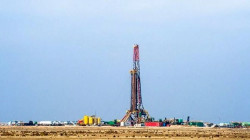
Baghdad is also accelerating domestic gas development. Work on the Akkas and Mansouriya fields has been fast-tracked, with new contracts aimed at boosting output. The Mansouriya field alone is expected to deliver over 300 million cubic feet per day once operational, according to the Oil Ministry. A Chinese-Iraqi consortium is also advancing projects to reduce reliance on Iranian gas.
Read more: Iraq fast-tracks Chinese-led gas project to curb energy imports
International energy giants are pushing forward with strategic investments. TotalEnergies is expanding its $27 billion project in Ratawi, while BP has received approval to redevelop the Kirkuk oilfields. Officials view these initiatives as critical to Iraq’s long-term energy security.
“We’re expanding our gas-fired power plants,” Karim noted. “We’ll need more gas—and more sources.”