Iraq to resume oil exports via Turkiye’s Ceyhan port


Shafaq News – Kirkuk (updated 16:41)
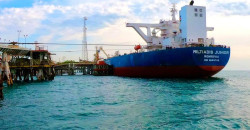
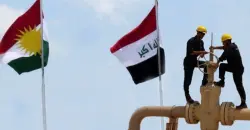
Iraq will resume crude exports through Turkiye’s Ceyhan port within the next two days, Oil Minister Hayan Abdul-Ghani announced on Wednesday, as the country simultaneously unveiled a series of strategic energy projects aimed at boosting domestic production and cutting fuel import costs.
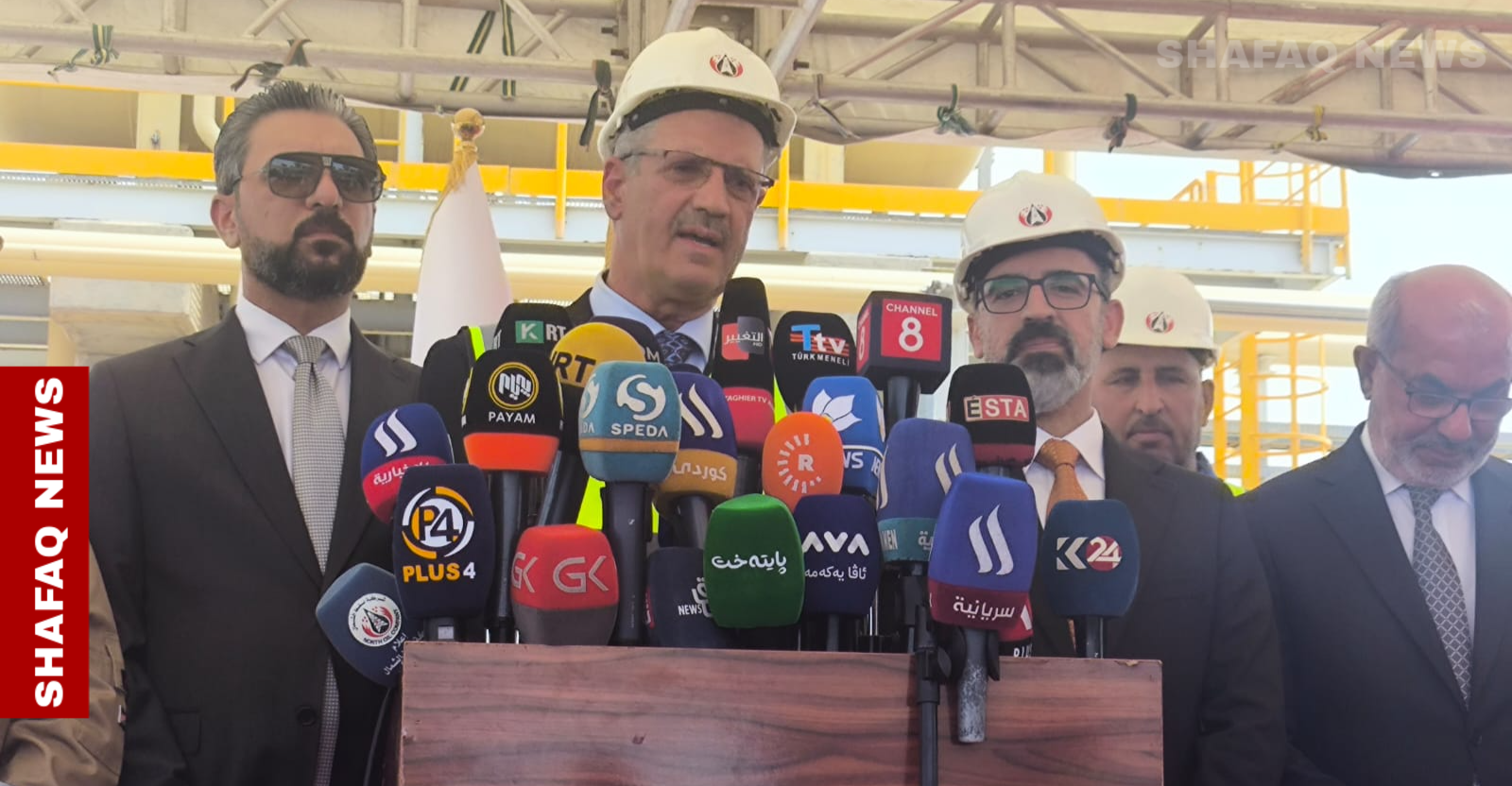
Speaking at the Jambur oil field in Kirkuk, Abdul-Ghani confirmed that the Kurdistan Region produces about 230,000 barrels per day (bpd). Of this, roughly 50,000 bpd are consumed locally, while approximately 80,000 bpd will be transferred to the federal oil ministry for export through Ceyhan.
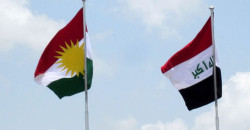
Crude flows on the pipeline have been halted since March 2023 after an International Chamber of Commerce ruling that required federal authorization for all oil exports, deepening a longstanding dispute between Baghdad and the Kurdistan Regional Government (KRG) over revenue-sharing and export rights.
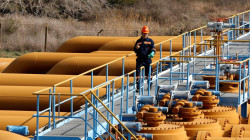
The minister also inaugurated a new wet oil processing station at the Jambur field, developed in partnership with Italian firm Mandresi. The facility has a processing capacity of 90,000 bpd and is part of Baghdad’s broader plan to increase Kirkuk’s total oil production from 350,000 bpd to 600,000 bpd. British oil major BP is expected to begin operations in Kirkuk within a month.
In addition to the export announcement, Abdul-Ghani revealed a major reduction in Iraq’s reliance on imported high-octane gasoline. The newly launched hydrogenation and gasoline-improvement unit in Kirkuk is expected to cut annual spending on fuel imports from $5 billion to $500 million. The project, built through an investment model that required no direct state funding, will be operated for 20 years before being handed over to the state-owned refineries company.
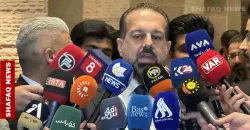
“This project will boost production of high-quality gasoline by 10,000 to 12,000 barrels per day, fully meeting Kirkuk’s needs and providing surplus fuel for neighboring provinces,” Abdul-Ghani told Shafaq News.
Oil expert Ali Abdul-Rahman described the unit as “a strategic step toward reducing import costs and strengthening Iraq’s energy security,” emphasizing that such initiatives would ease pressure on state budgets and provide fuel at lower costs while improving product quality.
Kirkuk Governor Rebwar Taha hailed the project as “a milestone in the province’s oil investment portfolio,” noting that it will significantly reduce the financial burden on both the government and citizens while ensuring a stable supply of gasoline to Kirkuk and adjacent regions.
The Jambur field, one of Iraq’s oldest oil sites, has been operational since 1959. Decades of production decline had reduced its output, but recent development efforts have reactivated around 20 wells, gradually restoring capacity and reinforcing Kirkuk’s role as a cornerstone of Iraq’s oil sector.
With the resumption of exports via Ceyhan and the launch of new refining and production projects, Iraq is seeking not only to stabilize its energy sector but also to strengthen its position in global oil markets while reducing dependency on imports.