Iraq faces looming fiscal crisis amid oil revenue decline
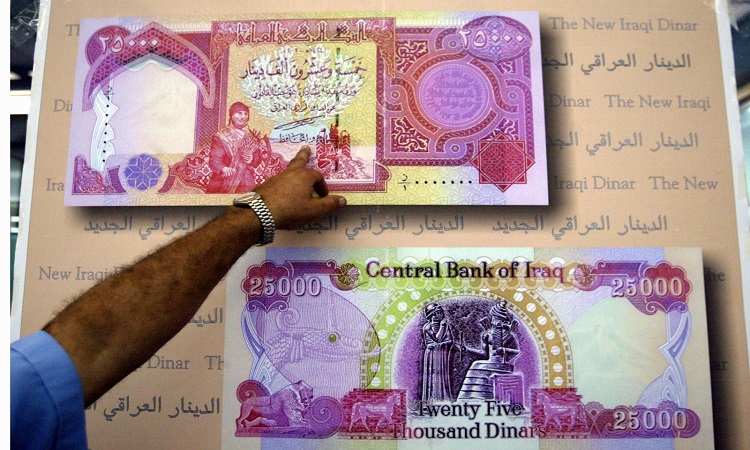


Shafaq News/ Iraq is heading toward a severe economic crisis, lawmakers and economists warned on Tuesday.
Finance committee member Mohammed al-Shabaki said key economic indicators point to rising deficits and cash shortfalls, blaming the crisis on declining crude prices, budget delays, and Iraq’s lack of financial instruments.
“Iraq lacks tools like forward contracts, foreign investments, and emergency reserves used by other countries to hedge against downturns,” he told Shafaq News, adding that existing safeguards may last no more than two years.
The 2025 budget was initially projected at $152.75 billion, with $99.3 billion allocated for spending, leaving a balance expected to roll over into the following year.
Shabaki urged urgent steps to raise non-oil revenues to at least 30% of total income—up from the current 3–4%—through robust taxation and collection measures insulated from political interference.
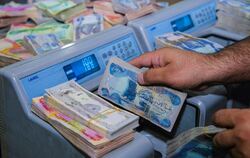
Economist Saleh al-Hamashi assigned direct responsibility to the Finance Ministry and Central Bank, citing their failure to circulate liquidity through the banking system. “People are hoarding cash at home due to low trust in banks, despite the rollout of electronic payments.”
He estimated Iraq’s money supply at $97 billion, with 70% held outside the banking system. “This has forced the government to rely on strategic reserves and domestic borrowing.”
Hamashi also criticized the Central Bank’s lack of a coherent monetary strategy, saying it still operates without a unified fiscal vision.
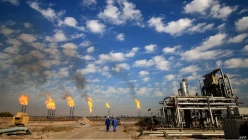
Separately, oil economist Nabil al-Marsoumi warned that Iraq’s April oil revenues barely covered public sector salaries and licensing payments. He reported a 15% drop in monthly oil income—from $7.7 billion in March to $6.7 billion in April—due to falling prices and reduced exports, a decline confirmed by the Oil Ministry.