Iraq eyes industrial revival through legislation and foreign investment


Shafaq News – Baghdad
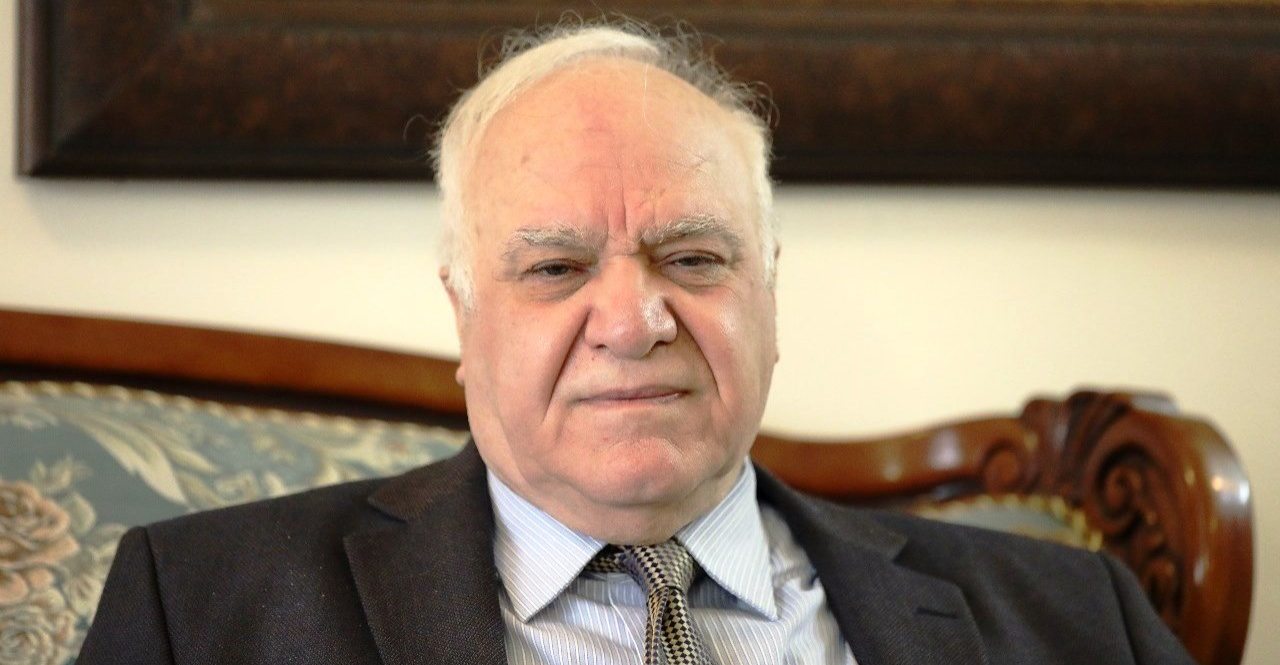
Iraq’s plans to revive its industrial sector hinge on comprehensive legislative reform and targeted investment, Economic Advisor to the Prime Minister Mudher Muhammad Saleh told Shafaq News on Monday.
Saleh said the government is prioritizing two core pillars: protective legislation to safeguard domestic production and the establishment of fully serviced industrial cities. “Foremost is enforcing laws that shield local production from market-damaging dumping policies, especially through effective customs regulations.”
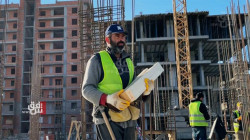
The advisor emphasized that infrastructure is key to enabling growth, calling for large-scale industrial zones equipped with a reliable power supply and modern logistics — efforts he said are closely tied to the country’s broader Development Road initiative.
He also urged the introduction of low-interest financing programs to support small and medium-sized enterprises (SMEs), while calling for the streamlining of Iraq’s bureaucratic licensing system. “The current regulatory burden discourages both domestic and international investors,” Saleh warned.
According to government figures, over 40,000 industrial projects have stalled in Iraq over the past two decades. The country’s industrial contribution to GDP has dropped to below 1%, while imports now account for more than 70% of manufactured goods — costing Iraq an estimated $35 billion annually.
Saleh stressed that attracting foreign capital is essential to reversing this trend. “International investors bring with them capital, experience, and efficient production technologies. Their integration into Iraq’s industrial framework — governed by the investment law — offers a vital opportunity to re-energize the local market.”
Since 2003, Iraq’s industrial base has suffered from outdated equipment, erratic power supply, limited financial support, and inconsistent policy. Public confidence in local products has also declined, with the market increasingly reliant on imports from Turkiye, China, Iran, and the UAE.