Hormuz blockade threatens Iraq’s cash buffer



Shafaq News- Baghdad
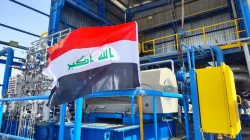
Iraq’s economy is under severe pressure as the closure of the Strait of Hormuz slashes oil exports, threatening the government’s ability to pay salaries, pensions, and cover essential expenses. The disruption follows the war that erupted on February 28, 2026, between the United States and Israel on one side and Iran on the other, cutting Iraqi oil production by two-thirds.
According to Eco Iraq, oil revenues make up roughly 90-95% of Iraq’s federal budget, leaving the country highly vulnerable to any drop in exports or prices. Production has fallen from 4.3 million barrels per day to 1.3 million, while exports have dropped below 800,000 barrels daily, causing daily losses of $128 million.
Revenue Pressure
Economist Ahmed Abdul Rabih linked delayed salaries directly to Iraq’s reliance on oil income. “Any disruption in oil exports or a decline in prices directly reduces the liquidity available to the government, putting pressure on its ability to cover operational costs, especially with rising public spending and an expanding workforce,” Abdul Rabih conveyed to Shafaq News.
Despite the drop in revenues, Iraq retains over $100 billion in cash reserves at the US Federal Reserve and roughly 170 tons of gold. Central bank economist Safwan Qusay reported that the Strait of Hormuz closure has cut oil income by $200-300 million per day, though reserves remain about 27% above the level needed to support the Iraqi dinar.
“These reserves could allow the Central Bank (CBI) to fund public spending of $20-30 billion over the next six months, giving the government time to manage the crisis,” Qusay added.
Public Confidence
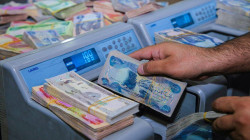
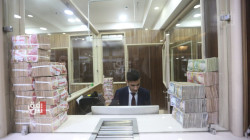
Central bank data show a 10.95% decline in bank deposits in 2025, equal to roughly 12 trillion dinars. Analysts attribute this to public caution amid economic and security uncertainty, with many citizens holding cash outside the banking system.
Rashid al-Saadi, spokesperson for the Baghdad Chamber of Commerce, pointed out Iraq’s structural economic imbalances, including heavy dependence on oil and limited investment in other sectors.
“Current financial reserves may allow the government to cover salaries for six months to a year, according to official estimates, but if the crisis continues, it raises questions about the state’s ability to maintain public spending at the same level,” al-Saadi explained to Shafaq News.
Alternative Exports
With southern ports mostly inactive, the Kirkuk-Ceyhan pipeline in Turkiye has emerged as a key alternative, though its capacity is limited compared with pre-crisis exports exceeding four million barrels per day. Al-Saadi noted that trucking or land-based transport can replace only a small portion of lost shipments.
He also recommended exploring additional regional export routes through ports such as Aqaba or Baniyas, and expanding non-oil revenue to reduce dependence on oil exports.
High Financial Commitments
Iraq requires about 9 trillion dinars ($6.8 billion) each month to cover operational expenses, including salaries, pensions, and social programs. Analysts warn that prolonged export disruptions could force the government to tap foreign reserves, potentially affecting currency stability if the situation persists.
The Ministry of Finance confirmed that salaries for March and April are secured, but ongoing disruptions could make future months more financially sensitive, emphasizing that Iraq’s ability to manage the crisis hinges on the duration of export interruptions and success in finding alternative routes or boosting non-oil income.
Read more: Hormuz lockdown: Iraq’s economic lifeline under threat