High production costs stifle Syrian export revival in Iraq


Shafaq News- Damascus/ Baghdad
Syrian exporters are facing growing pressure in Iraq’s market, with trade volumes still far below the $2.3 billion in Syrian exports recorded before the 2011 war, as cheaper foreign products continue to expand their presence in the country.
Mohammad Orfali, head of the Investment and Real Estate Development Committee at the Damascus Chamber of Commerce, told Shafaq News on Friday that the decline in exports to Iraq to rising production, shipping, and energy costs inside Syria.
“The Iraqi market remains one of the most important destinations for Syrian products,” he remarked, noting that Syrian goods once accounted for a much larger share of Iraqi imports, particularly in food products, textiles, and pharmaceuticals.
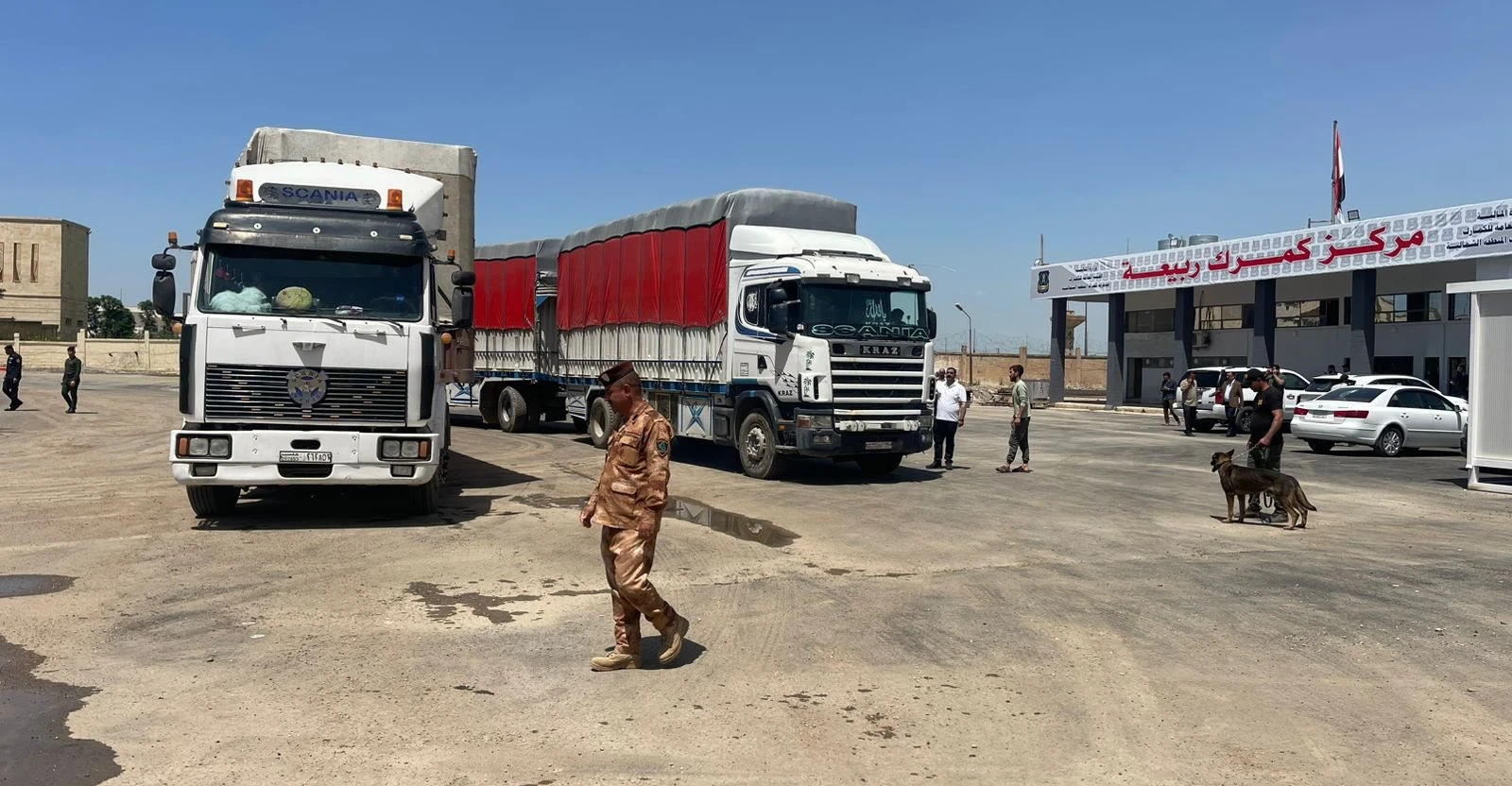
Although the reopening of border crossings between Syria and Iraq has helped revive part of the trade flow, Orfali called for broader economic cooperation and stronger coordination between Damascus and Baghdad through trade delegations, as well as the chambers of commerce, industry, and agriculture.
“The improvement of logistics infrastructure, easing financial transfers, and streamlining customs procedures could further increase trade exchange between the two countries,” he continued, maintaining that Syrian products still enjoy the trust and preference of Iraqi consumers.
To strengthen the competitiveness of Syrian exports, Orfali urged Damascus to remove customs duties on raw materials used in manufacturing, a step he believes could reduce production costs and reinforce the position of Syrian goods in foreign markets, particularly Iraq.
He concluded that Baghdad remains among the most promising destinations for Syrian exports because of its proximity, lower transportation costs compared with distant markets, similar consumer tastes, and the longstanding economic and social ties between the Syrian and Iraqi peoples.
According to Iraq’s Ministry of Finance, trade between Iraq and Syria reached about $5 billion before the 2011 conflict. It then fell sharply during the war years to below $1 billion, as border closures, security disruptions, and the contraction of Syrian industrial output weighed on cross-border commerce. In recent years, however, trade has shown signs of recovery, with estimates for 2024 and 2025 placing the value of bilateral exchanges at around $2 billion.