Economist: Iraq may need IMF after dinar devaluation


Shafaq News- Baghdad
Iraq may need a program with the International Monetary Fund if oil revenues continue to decline and the dinar devaluation that took effect on Wednesday fails to provide enough support to public finances, Standard Chartered economist Carla Slim told Asharq Bloomberg.
Slim said any potential IMF program could involve structural reforms, particularly to Iraq’s public-sector wage bill, if oil production fails to recover, while production is currently running at about 70% of its January level.
The dinar devaluation gives the government more local currency for every dollar earned from oil exports, helping it finance salaries, Slim said, but the effectiveness of the measure would depend on how long the fiscal pressure lasts and how quickly oil production and exports recover.
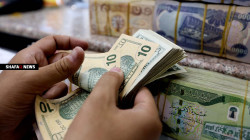
Earlier today, the Central Bank of Iraq (CBI) put into effect a new exchange-rate structure, buying dollars from the Finance Ministry at 1,500 dinars per dollar, selling them to banks at 1,510, and setting the cash selling rate to the public at 1,520, compared with the previous public rate of 1,320.
The adjustment would support domestic production and industry, encourage investment in non-oil sectors, and create jobs, the CBI said. Foreign reserves are “sufficient” to meet foreign-currency demand for trade financing, overseas bank-card transactions, and cash sales to travelers.
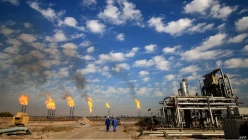
The devaluation followed mounting pressure on Iraq’s public finances after the US-Israeli war on Iran disrupted oil exports. Reuters reported that exports fell to about 2.34 million barrels per day (bpd) in August from more than 3.6 million previously, while Iraq’s proposed 2027 budget assumes exports of around 4 million bpd.
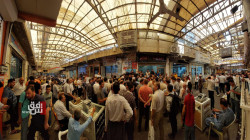
The official-rate change did not immediately close the gap with the parallel market. A Shafaq News survey put the dollar at 168,500 dinars per $100 in Baghdad’s Al-Kifah and Al-Harithiya central exchanges, compared with the new official public rate of 152,000 dinars per $100.
Read more: Why Iraq's dinar keeps sliding despite fresh US cash
Another adjustment to the dinar’s exchange rate could also remain an option over the next six to 12 months, depending on oil revenues and foreign reserves, according to Slim. Over the longer term, she said reducing the budget’s dependence on oil from about 90% to 45% would require higher non-oil government revenues through stronger tax collection and the digitization of government services.
In June, Government spokesperson Haider Al-Aboudi said Al-Zaidi was heading a specialized committee seeking to reach the same 45% target within 10 years by increasing non-oil revenues, including receipts from border crossings, customs, and government collections.