Cash dominates payments in Iraq despite rise in bank cards


Shafaq News- Baghdad
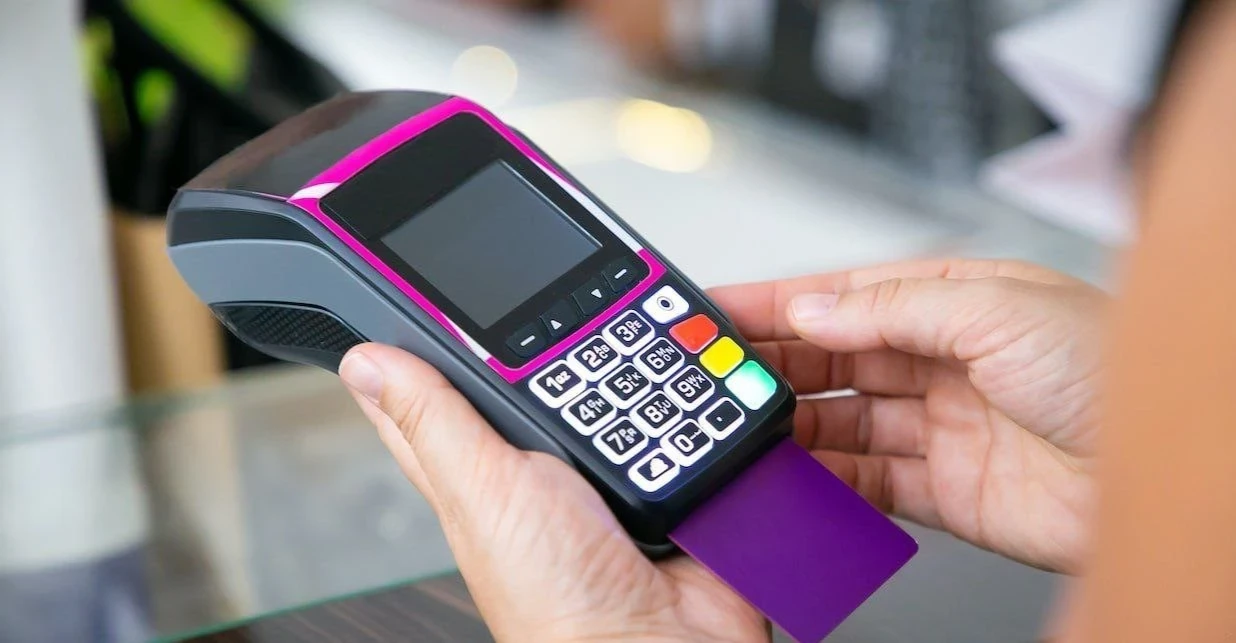
Cash transactions remain the preferred method of payment for many Iraqis despite the expansion of banking cards and digital applications, as concerns over trust and system stability continue to limit broader adoption.
Economic expert Mohammed Al-Hassani told Shafaq News on Monday that Iraq’s liquidity structure continues to reflect a heavy reliance on cash, noting that around 40% to 45% of the money supply remains outside the banking system, while only 55% to 60% is held within banks.
The Central Bank of Iraq (CBI) also indicated that total cash in circulation stands at 93.789 trillion dinars, while 115.535 trillion dinars ($79.7 billion) are held within banks. Recent economic reports estimate that 90% to 95% of transactions in Iraq are still conducted in cash.
Read more: Cash culture dominates Iraq, reform efforts stall
Financial adviser to the Prime Minister, Mazhar Mohammed Salih, told our agency that the informal economy still accounts for a significant share of activity in Iraq, reinforcing reliance on cash, particularly in markets and small businesses. He added that cultural factors and limited digital financial awareness contribute to this preference, alongside concerns over fees and technical errors, noting that many cardholders use their cards primarily to withdraw salaries rather than as a payment tool.
However, Salih pointed to emerging positive indicators, with gradual growth in the use of electronic payment cards, particularly at fuel stations and in some services, supported by the government’s economic and banking reform program.
Speaking to Shafaq News, financial expert Mahmoud Dagher said the shift from cash to electronic payments faces several challenges, including the lack of a fully organized economic cycle, such as business registration, property documentation, and access to bank accounts. Additionally, the absence of large segments of consumers and merchants from the banking system limits the expansion of electronic payment tools, while increasing trust in the banking sector and offering incentives, such as discounts or additional benefits, is essential to encourage adoption.
“Imposing electronic payments by force may not yield positive results,” he stated, noting that Iraq’s electronic payment system is still relatively new, having emerged only around two years ago.
Read more: From Cash to Cards: Iraq's shift to a cashless future